CRAFT
Brewed and distilled drinks differ in the process itself. Three processes through which to see Japan's drinks.
01FERMENTATION — 発酵
FERMENTATION.
Sugar becomes alcohol. Every drink begins here.
Sake · Japanese Wine · Craft Beer · Japanese Whisky · Shochu · Awamori
01
Making sugar
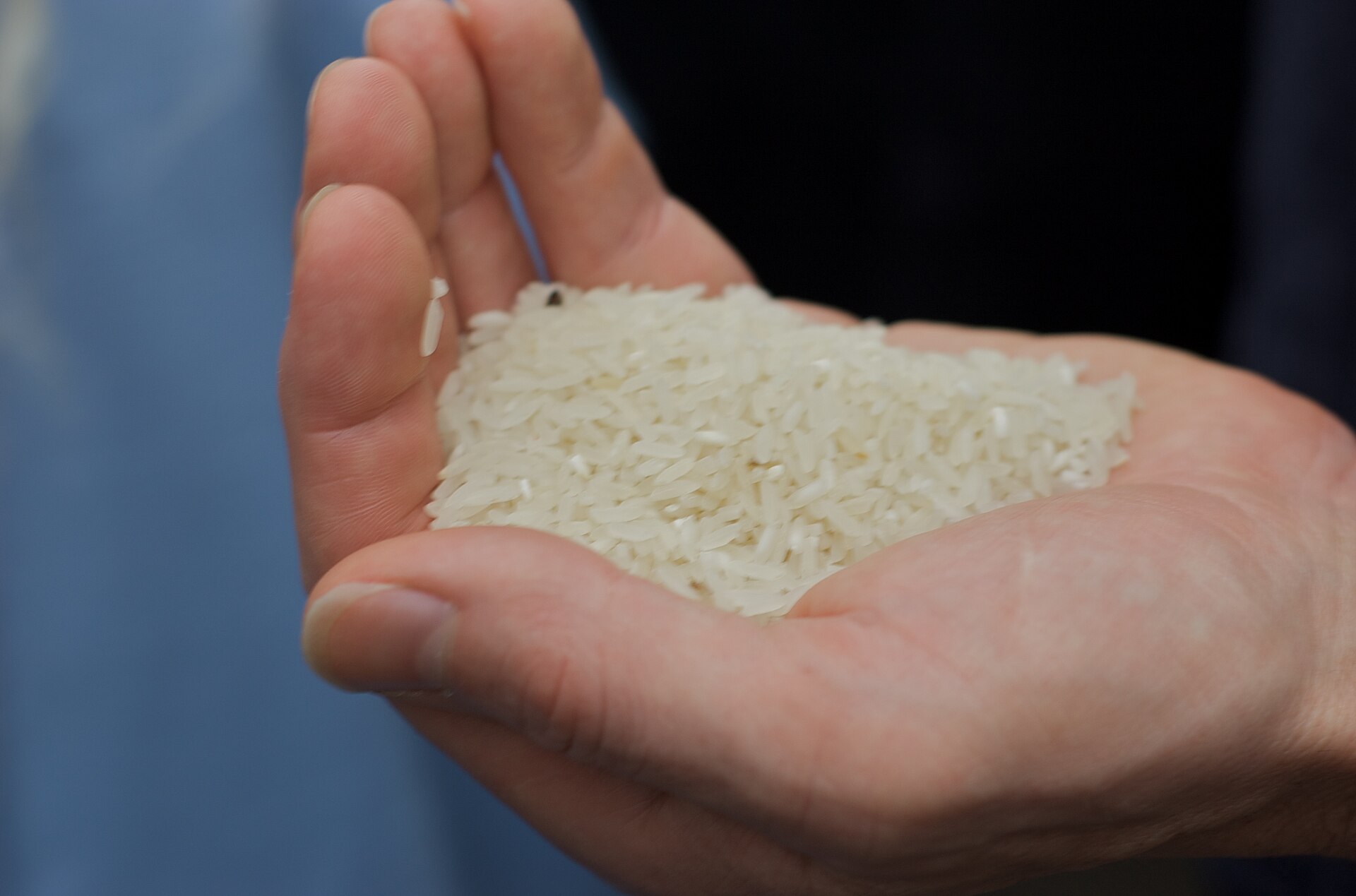
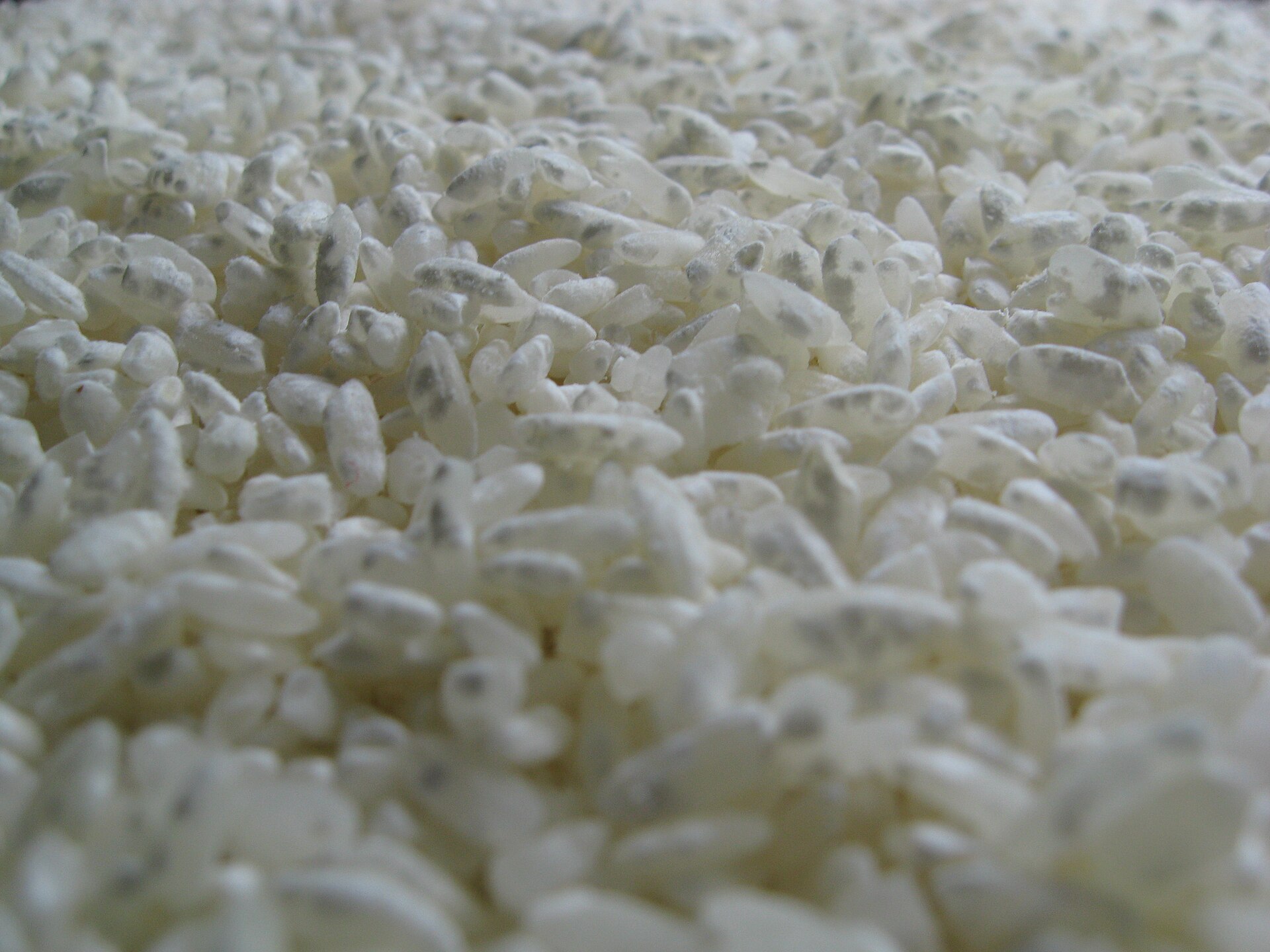
Grapes already hold sugar. The starch in rice, barley or sweet potato must first be broken into sugar by enzymes — from koji, or from malt.
02
Multiple parallel fermentation
In sake, saccharification by koji and fermentation by yeast run side by side in the same tank. Beer ferments wort after mashing is complete; wine ferments the grape's own sugar directly.
03
As a brewed drink
Pressed or filtered after fermentation, the result is a brewed drink — sake, wine, beer.
02DISTILLATION — 蒸留
DISTILLATION.
Heat, copper and steam draw spirit and aroma from the mash.
Japanese Whisky · Shochu · Awamori
01
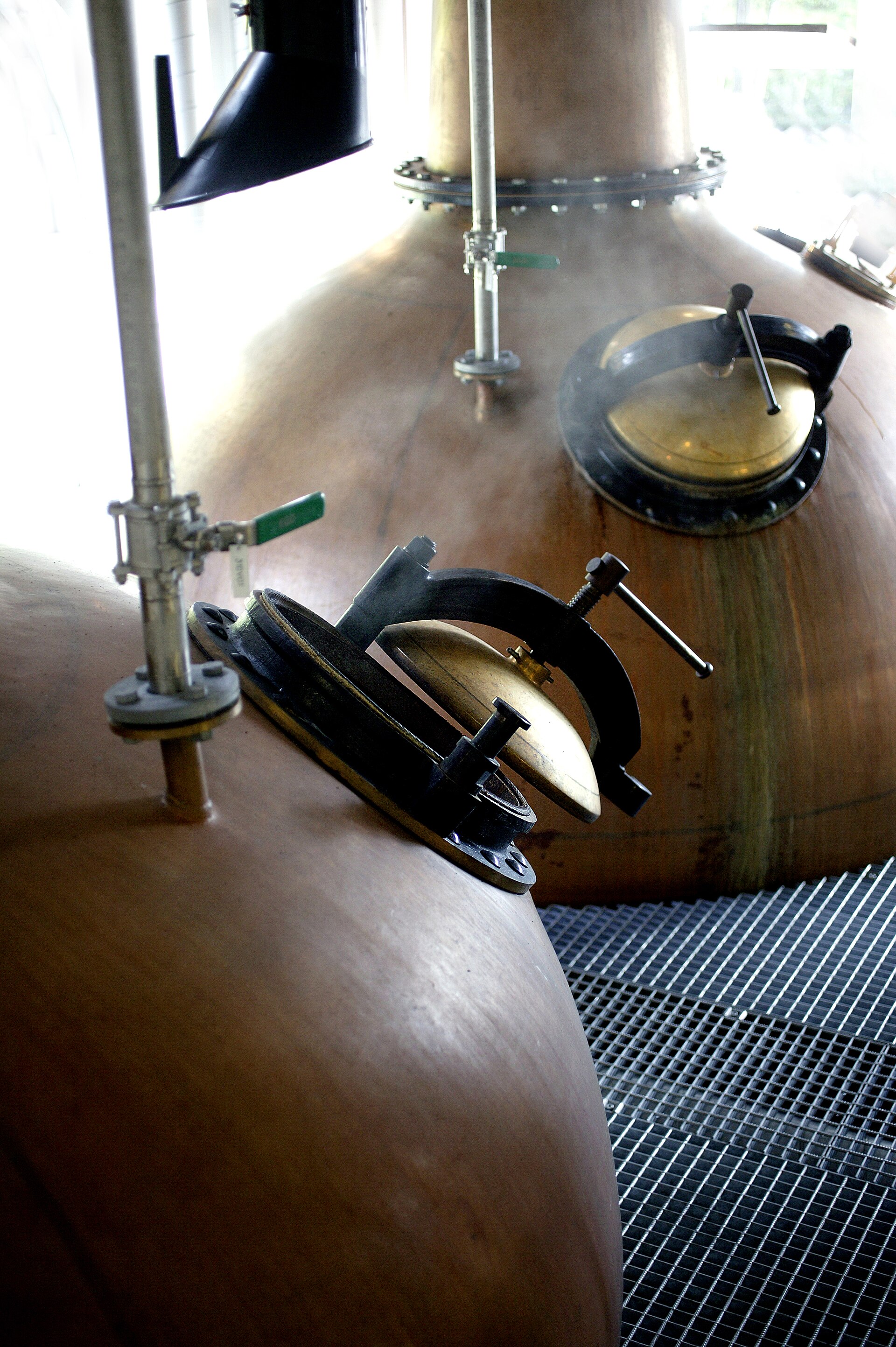
Pot (batch) distillation
The mash is heated in a still and the vapour condensed, one batch at a time — a method that tends to retain the ingredient's aromas. Honkaku shochu and awamori are distilled in pot stills.
02
Continuous distillation
Distillation repeats continuously inside a column, efficiently producing high-purity spirit. It is used for grain whisky, among others.
03
As a distilled spirit
Once distilled, the result is a spirit — whisky, shochu, awamori. The process differs fundamentally from that of brewed drinks.
03MATURATION — 熟成
MATURATION.
Cask, jar, bottle, cellar. Time is an ingredient too.
Japanese Whisky · Awamori · Japanese Wine · Shochu · Sake
01
Cask
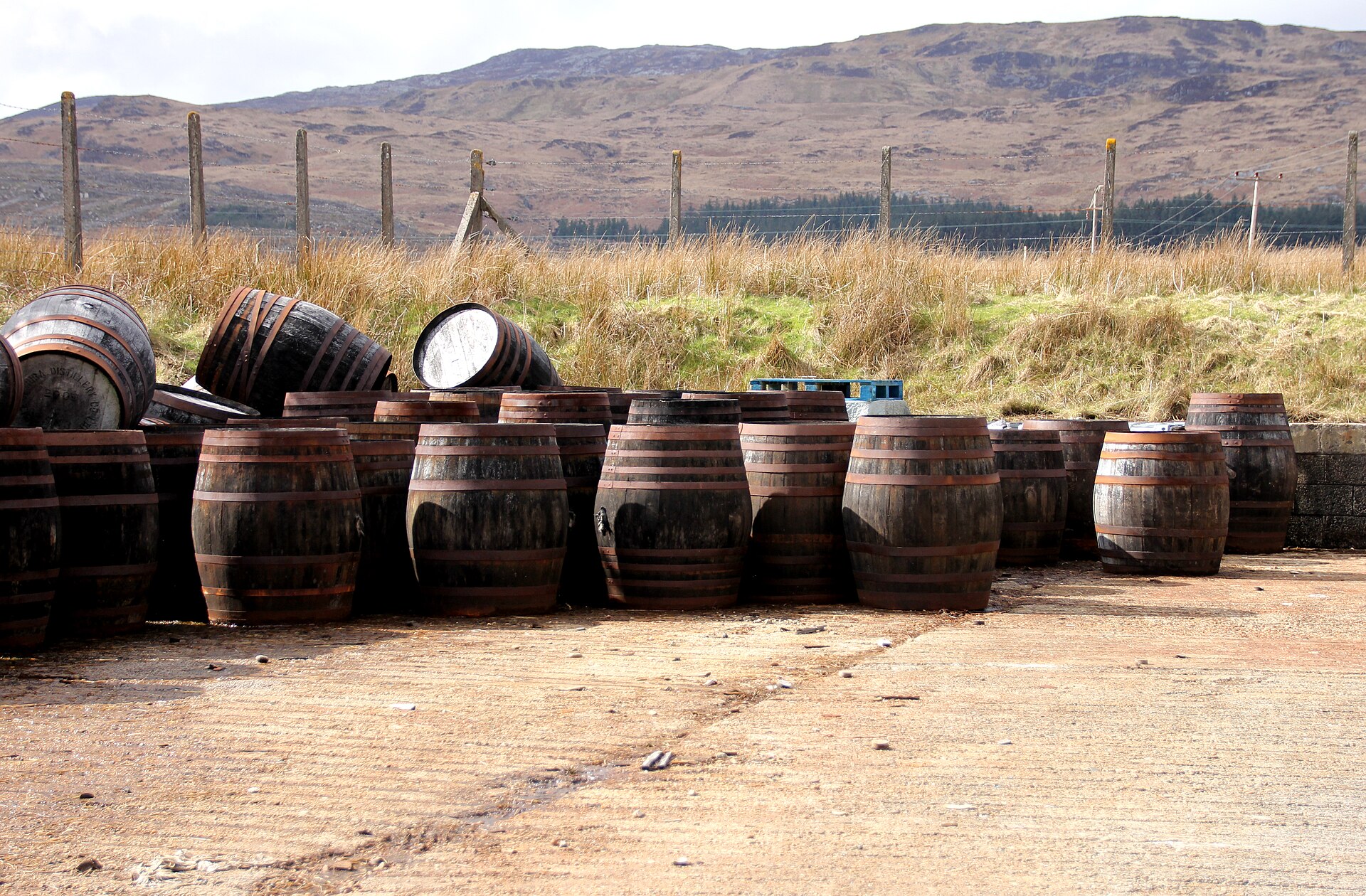
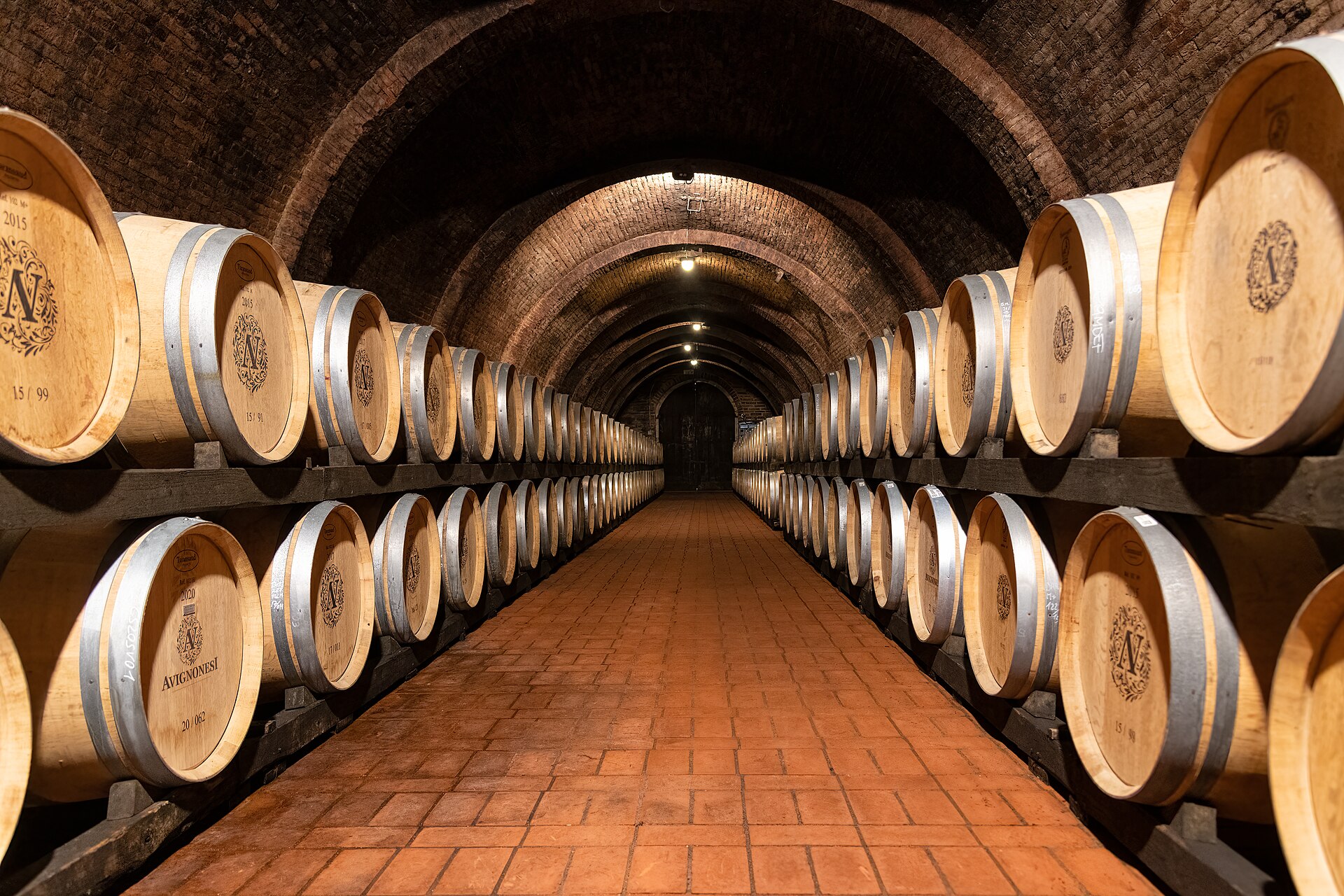
Whisky matures in wooden casks. The wood, what the cask held before and where it rests all shape how it matures.
02
Clay jar
Awamori rested long in clay jars and other vessels becomes kusu. The practice of shitsugi tops up older jars with younger spirit.
03
Bottle and cellar
Wine, sake and shochu may also be stored or aged before release — the length and method differ by maker and by product.