GEOGRAPHICAL INDICATION
Thirty-four names of place.
From Iki, Kuma, Ryukyu and Satsuma to Kyoto, Tottori and Fukuoka in 2025 — the liquor GIs designated by Japan's National Tax Agency.
11SHOCHU — HONKAKU SHOCHU
Honkaku shochu (single-distilled shochu) is made by fermenting its ingredients with koji and distilling the mash once in a pot still. Much of the ingredient's aroma and flavour carries through — its defining trait.
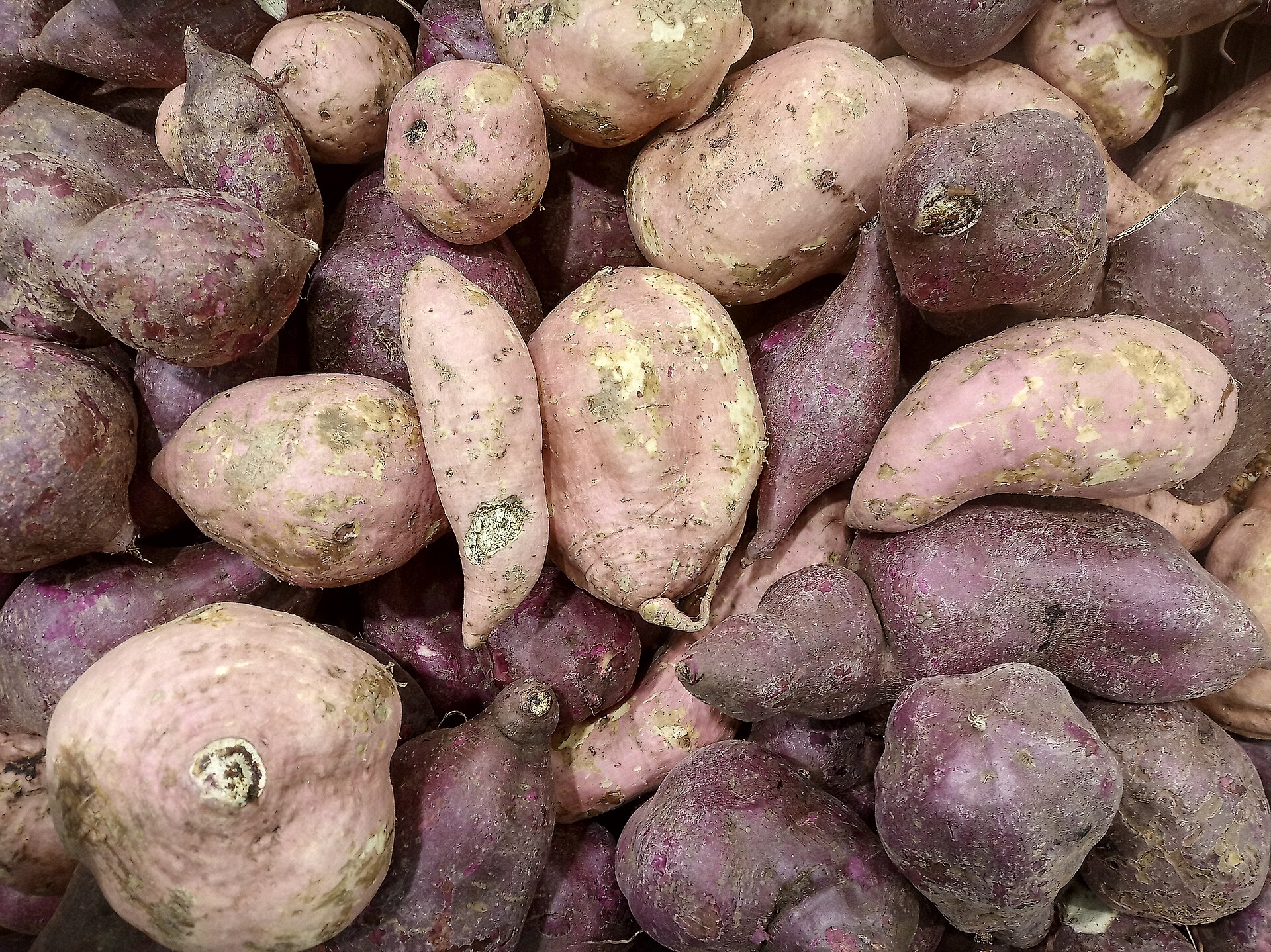
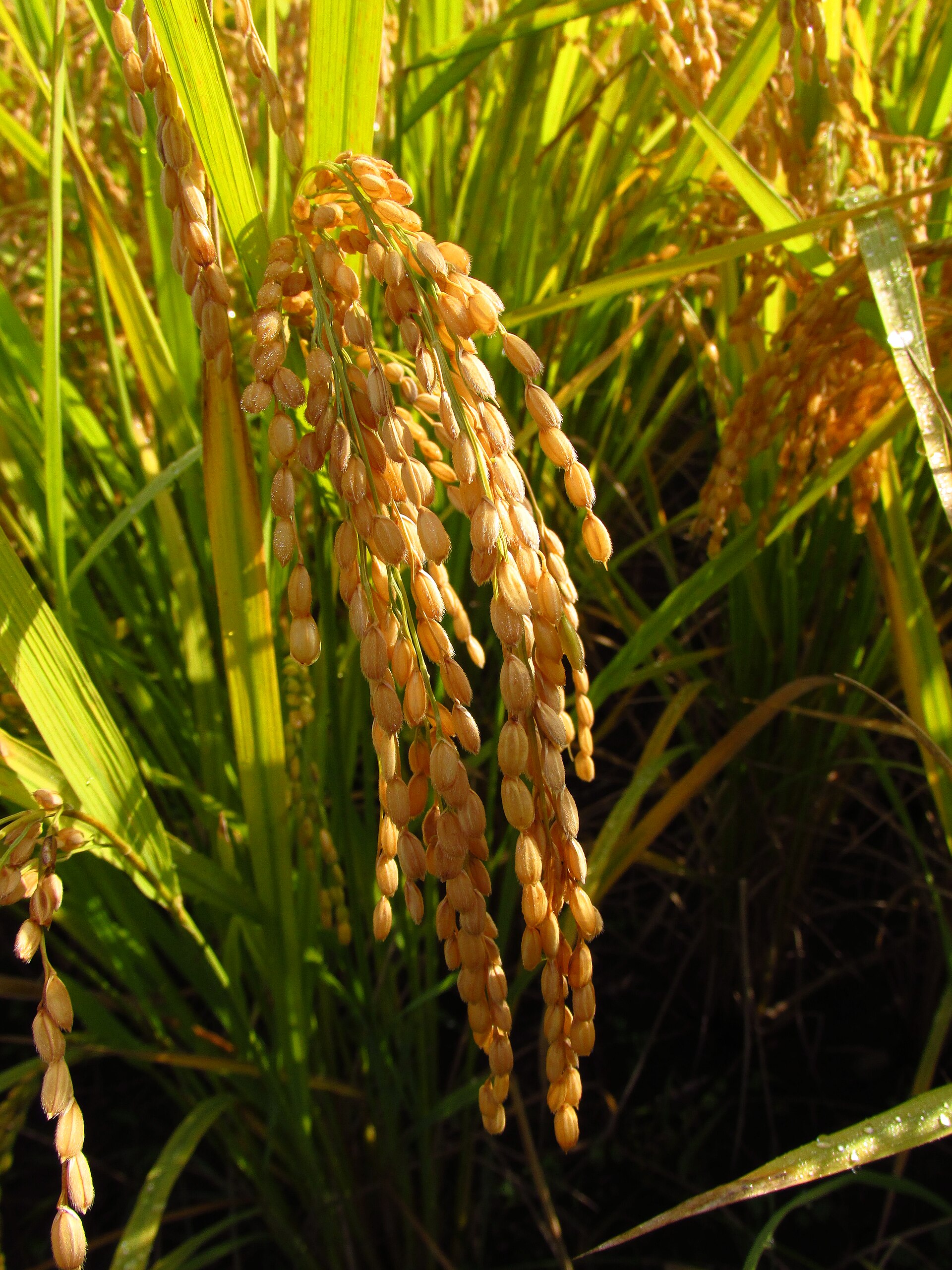
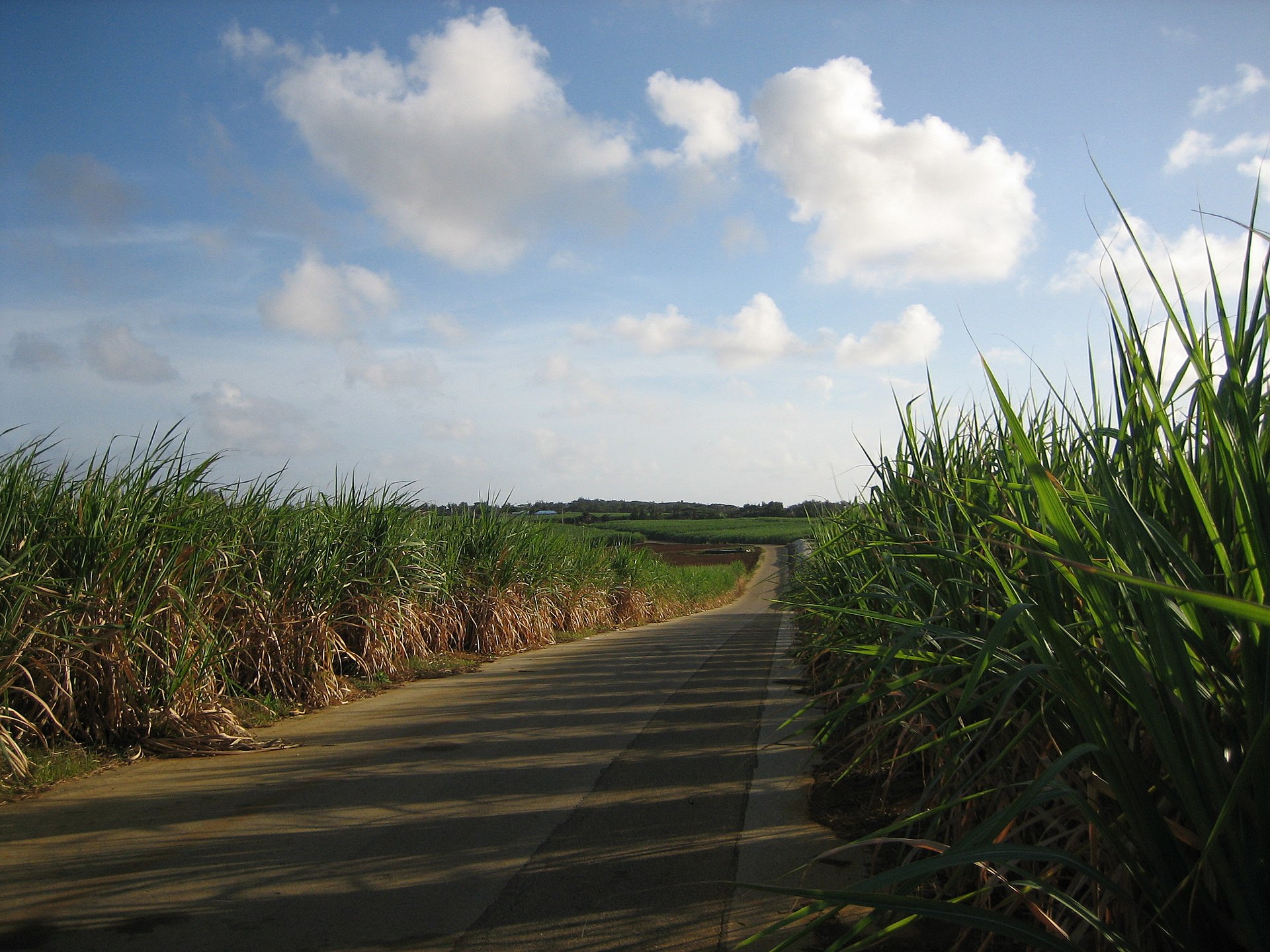
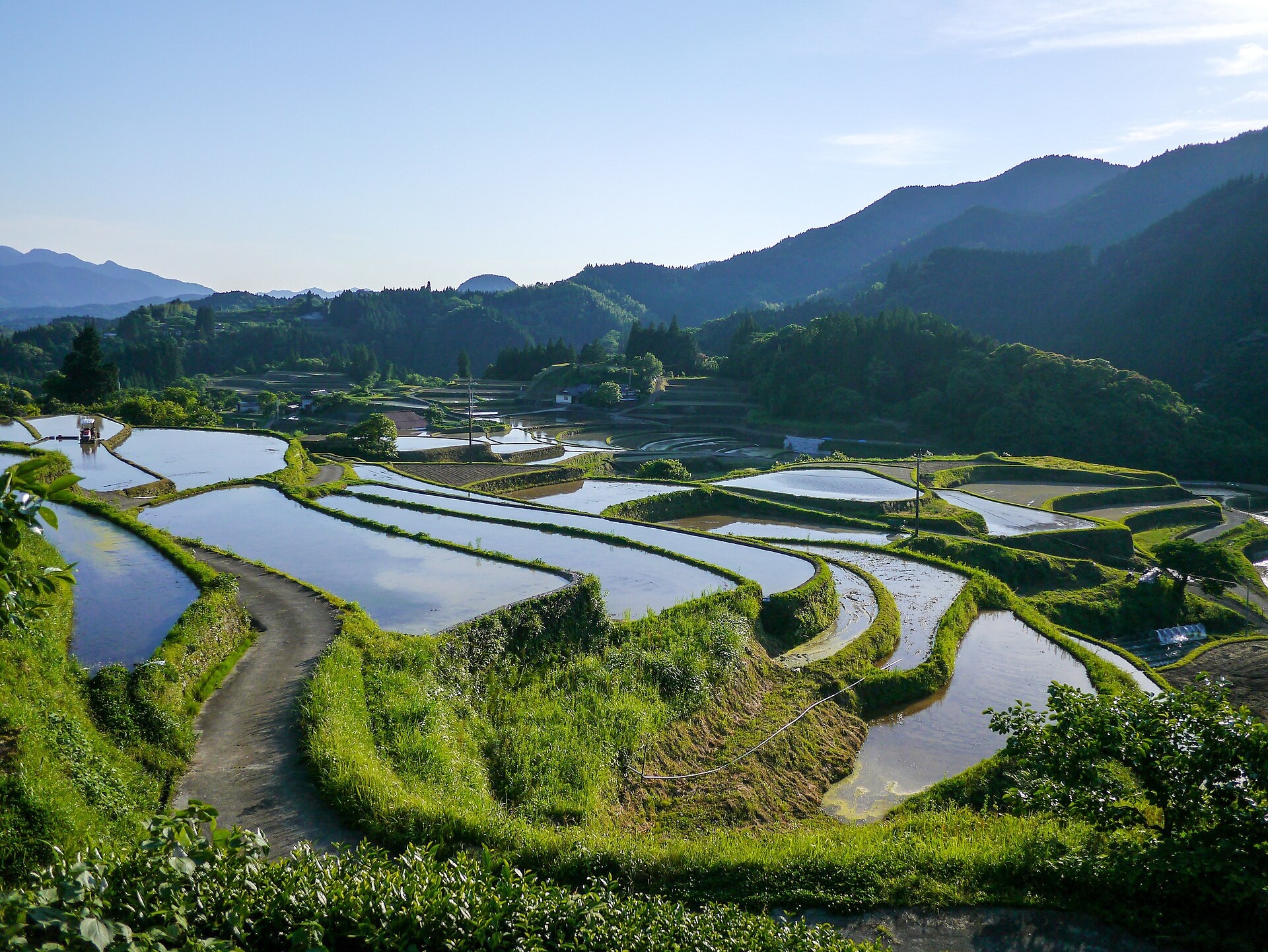
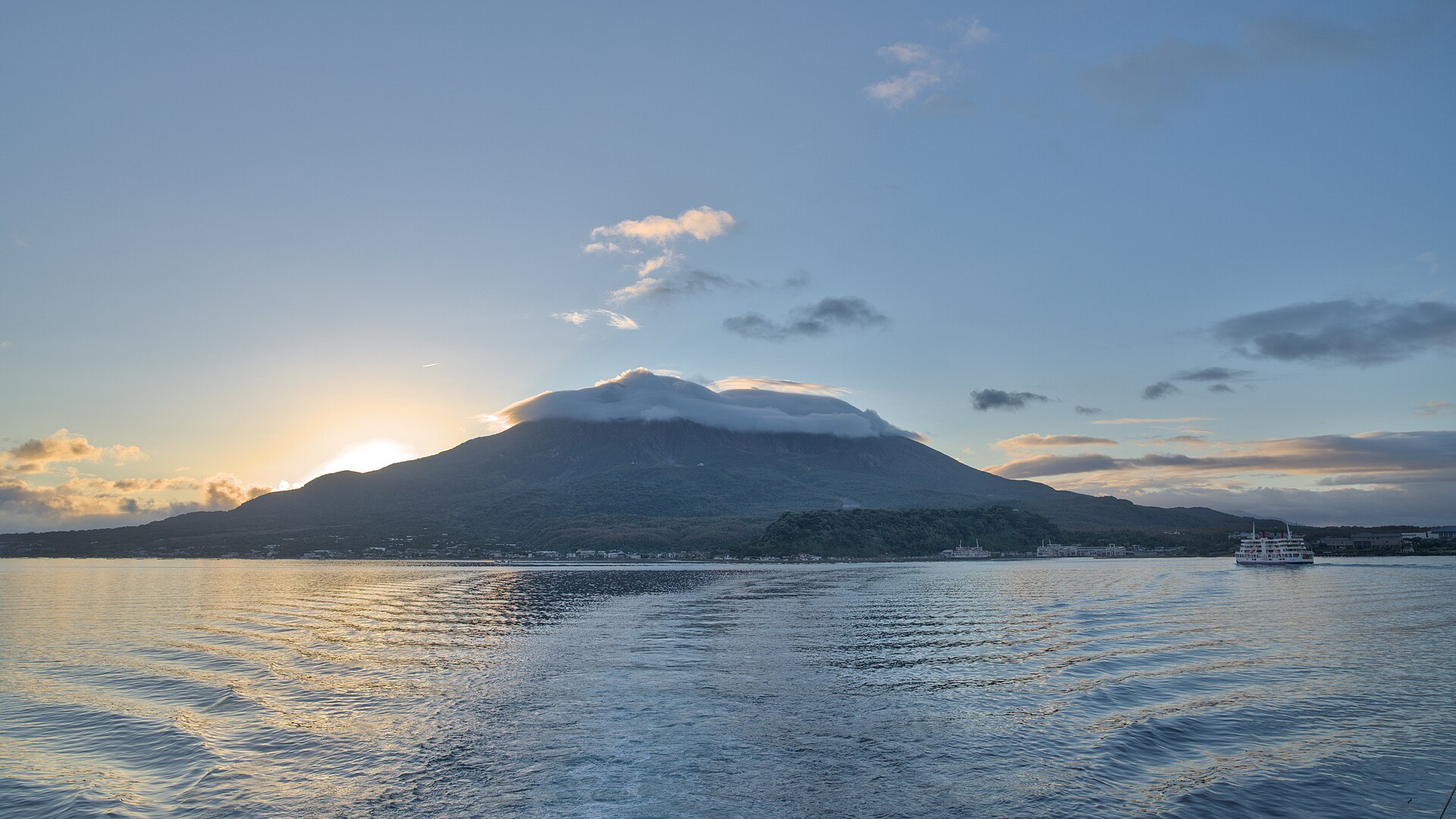
Sweet potato in Kagoshima and Miyazaki, barley in Oita and Iki, rice in Kumamoto's Kuma basin, brown sugar in Amami. Centred on Kyushu, the bond of ingredient, koji and place draws the map of shochu.
KOJI
White koji
Said to be a mutant strain of black koji; widely used for honkaku shochu in southern Kyushu.
Black koji
The koji of awamori. It produces citric acid, which holds back unwanted bacteria.
Yellow koji
The koji used for sake.
PRODUCERS ON RECORD
Shochu — View all →ABV, polishing ratio, vintage, age and similar details appear only when confirmed by an official source.
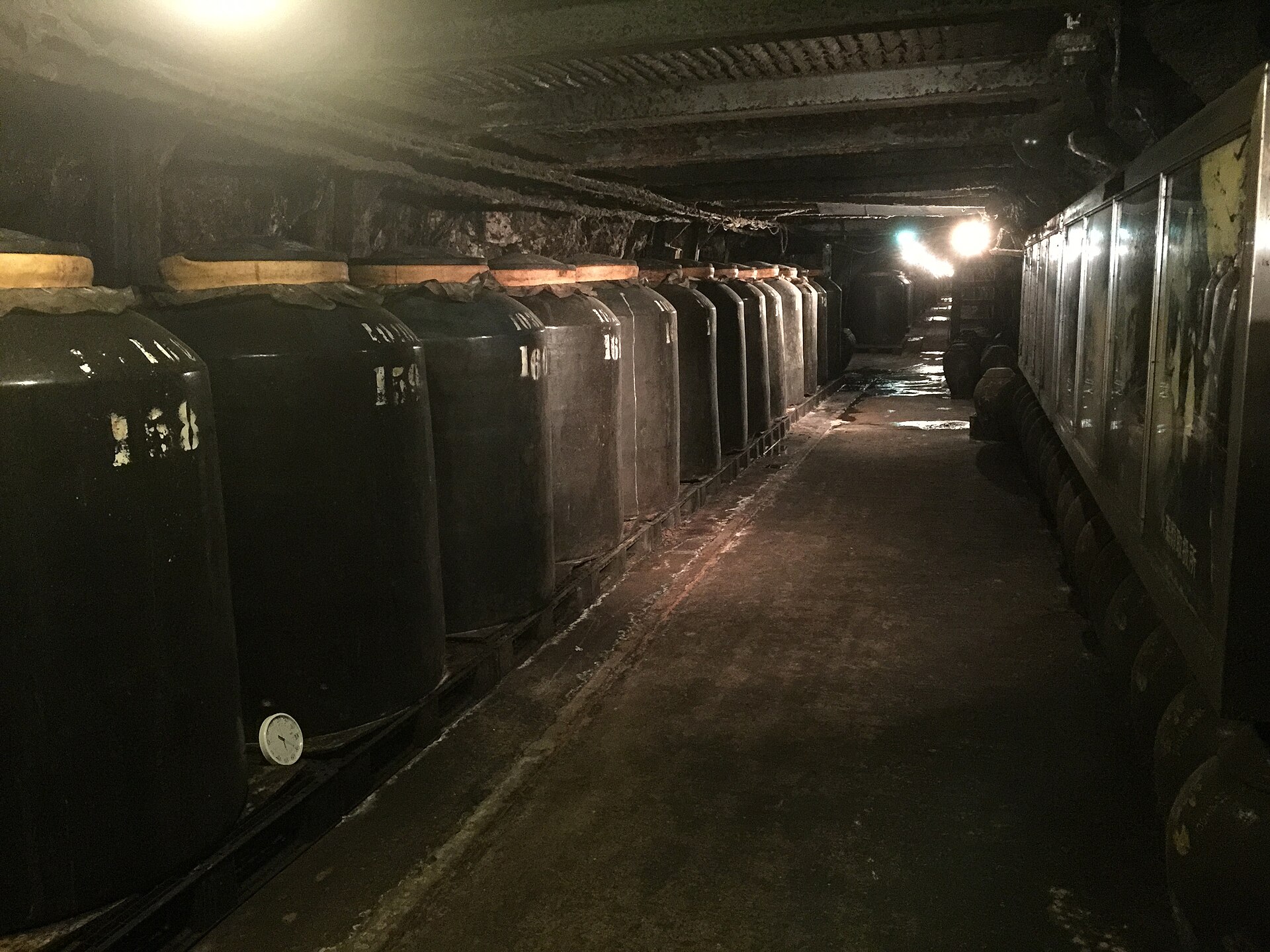
Rows of storage vessels holding imo shochu maturing in a former gold mine tunnel
Photo: メルビル / CC BY-SA 4.0 · Kushikino, Kagoshima
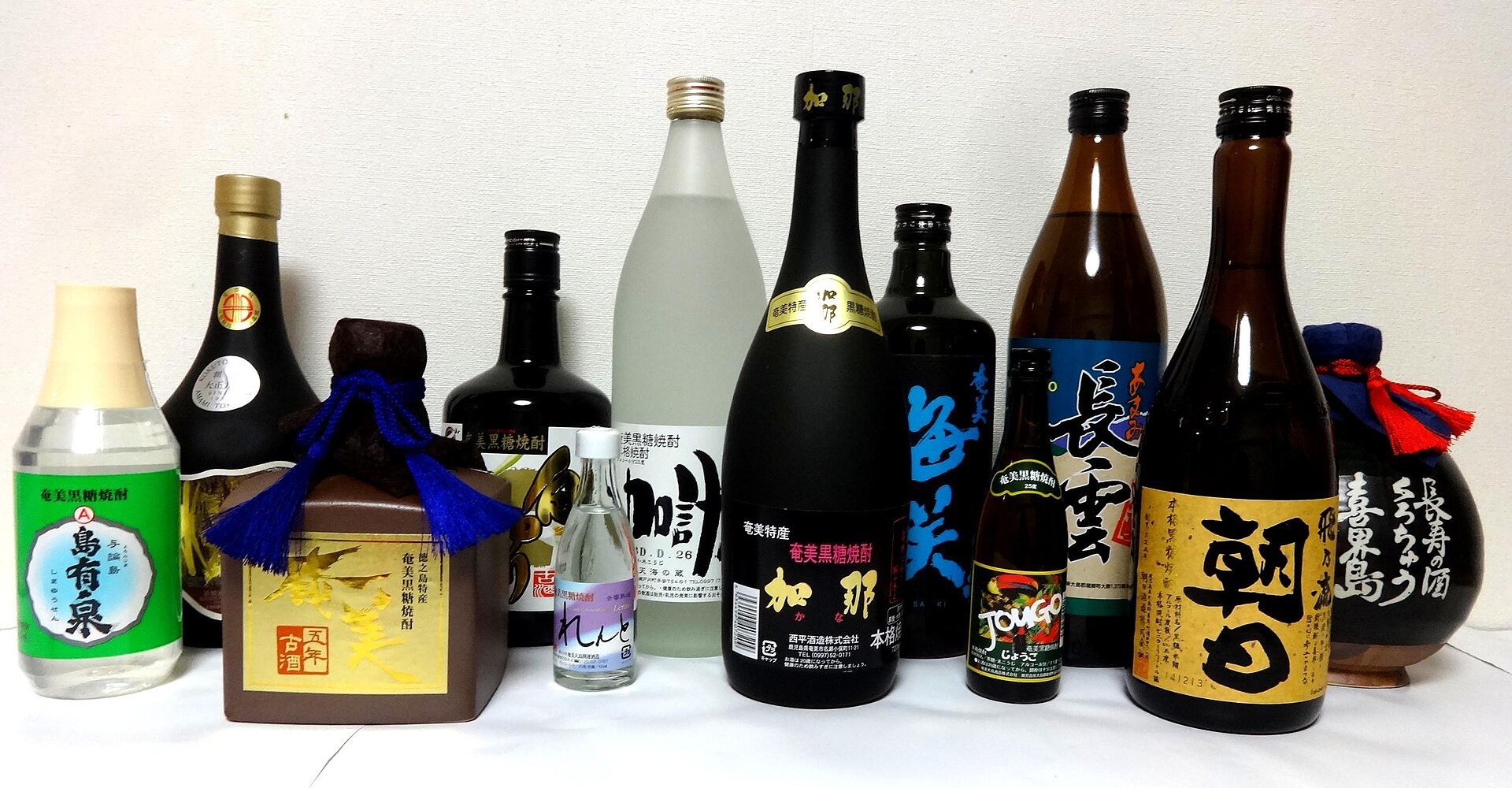
A line-up of Amami brown-sugar (kokuto) shochu bottles in a shop
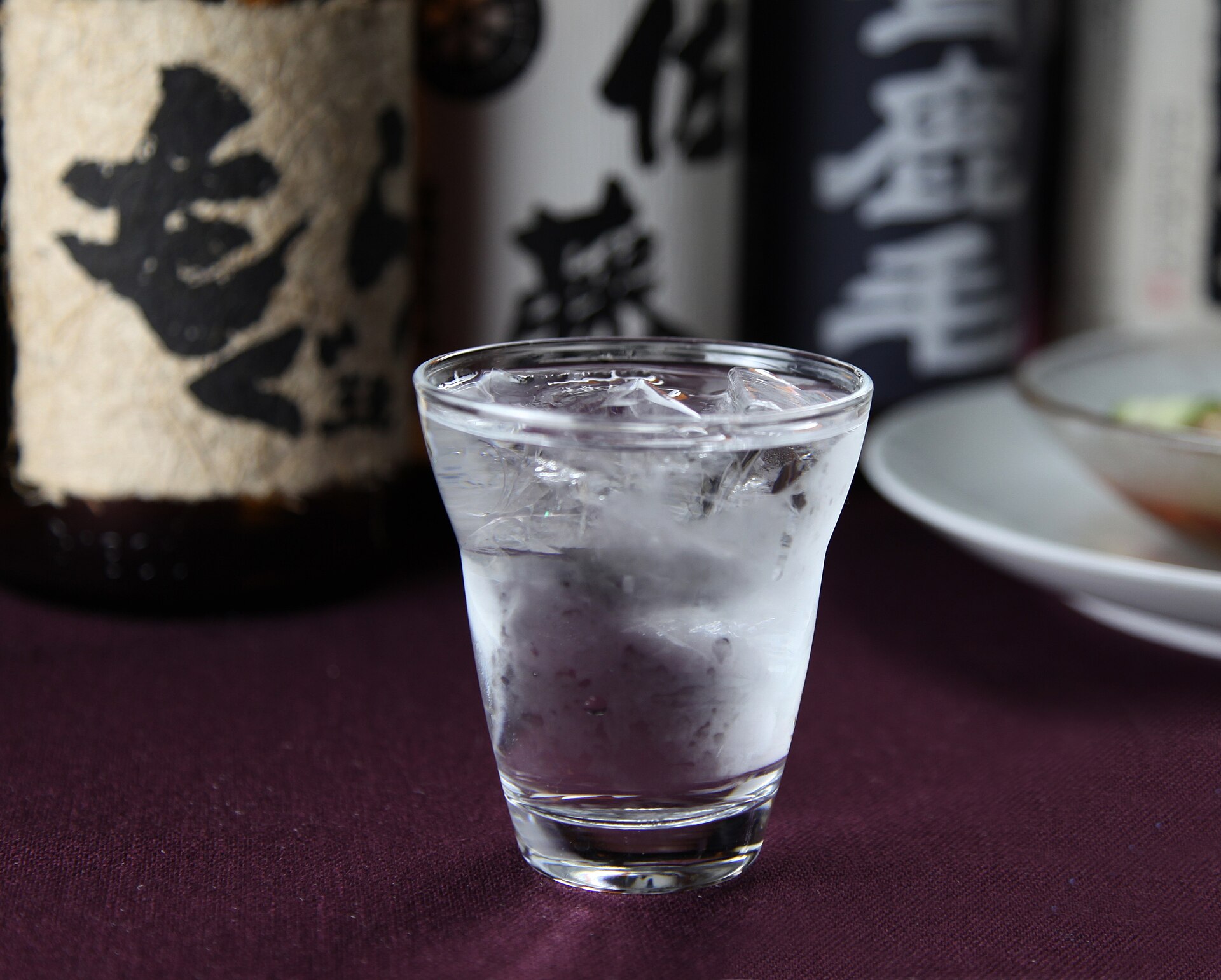
A glass of shochu on the rocks in front of shochu bottles
Photo: https://publicdomainq.net/shochu-japanese-liquor-0014762/ / Public domain
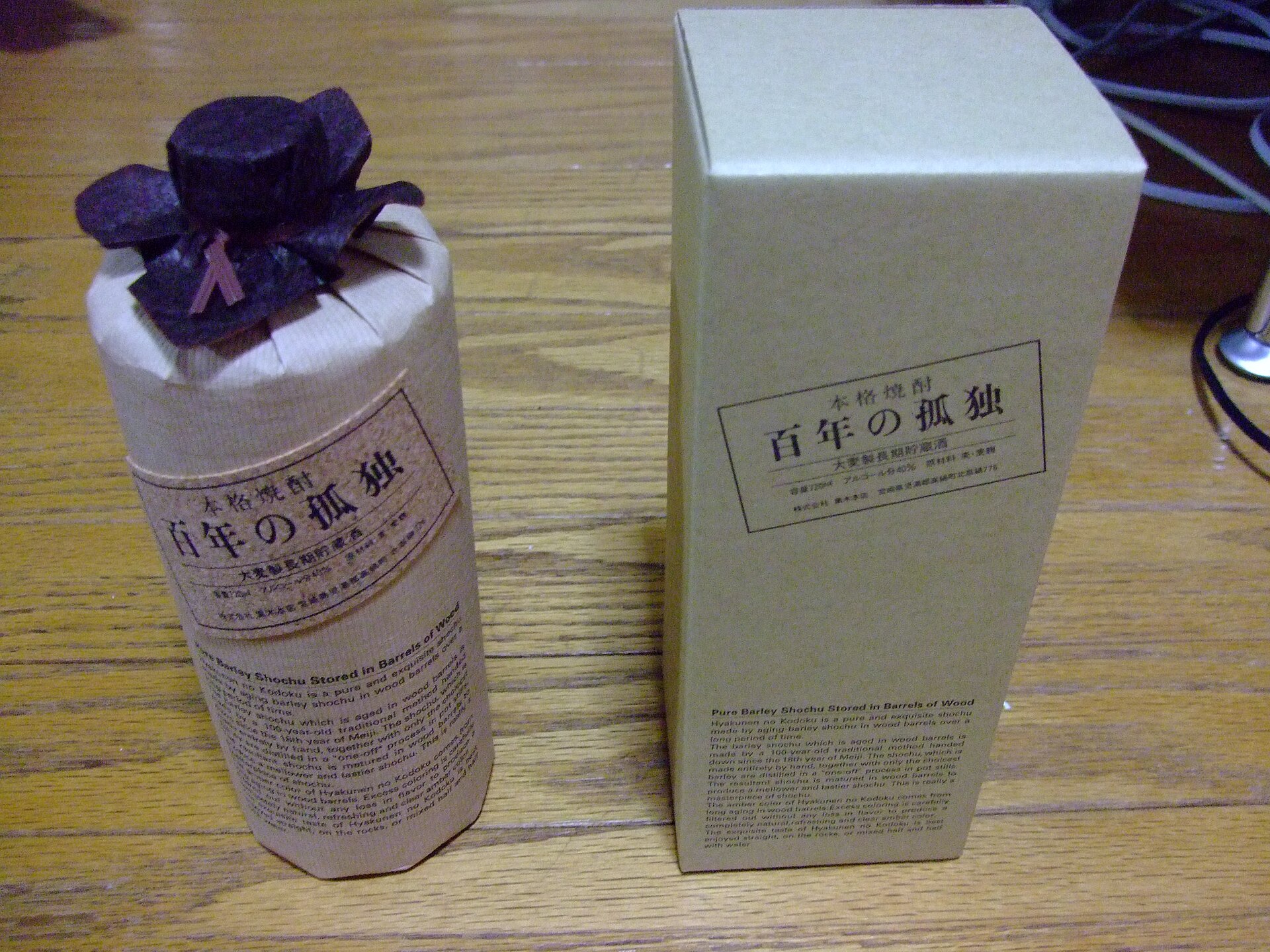
Kuroki Honten's Hyakunen no Kodoku barley shochu with its box
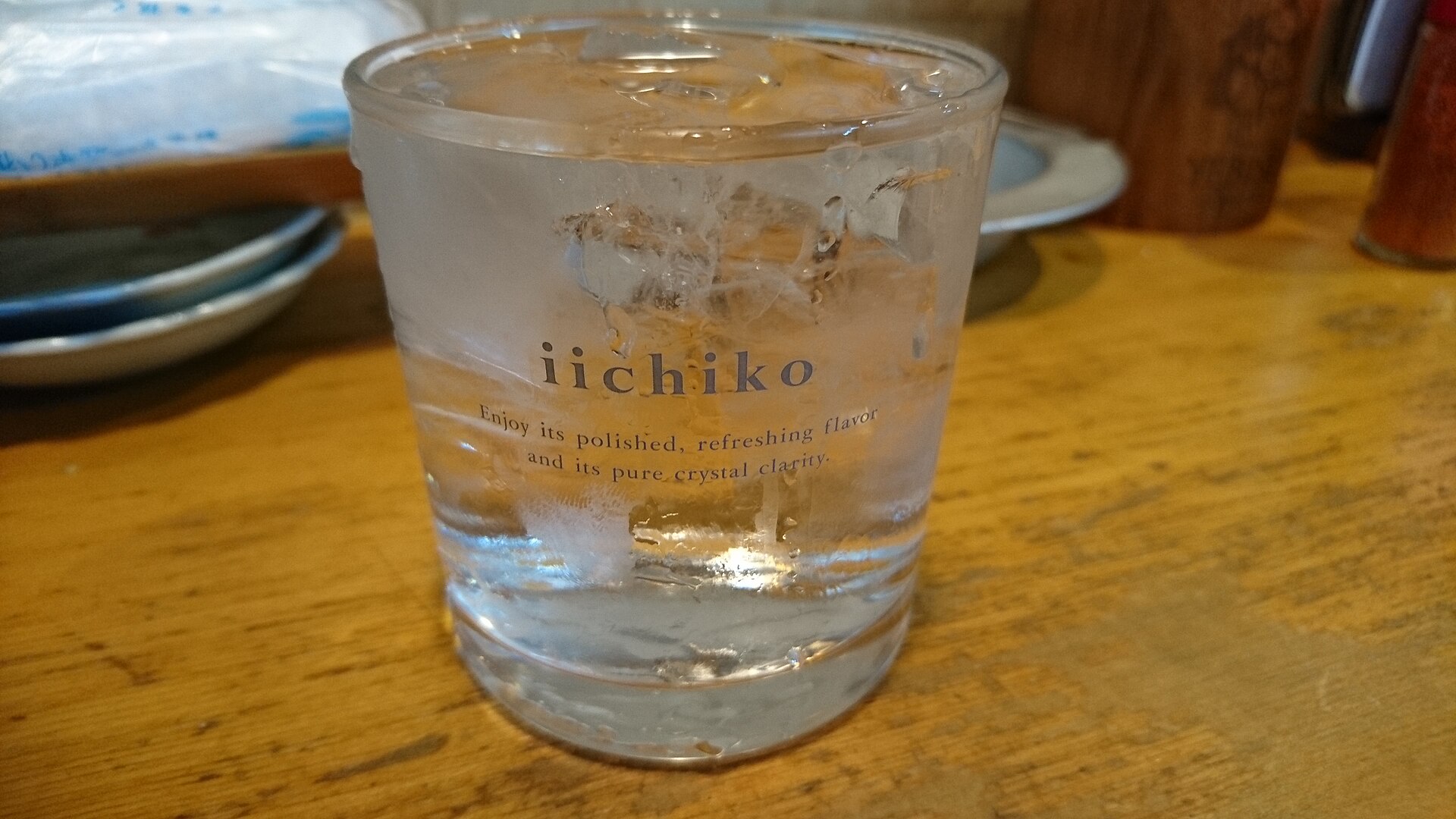
A drink in a glass printed with the iichiko logo
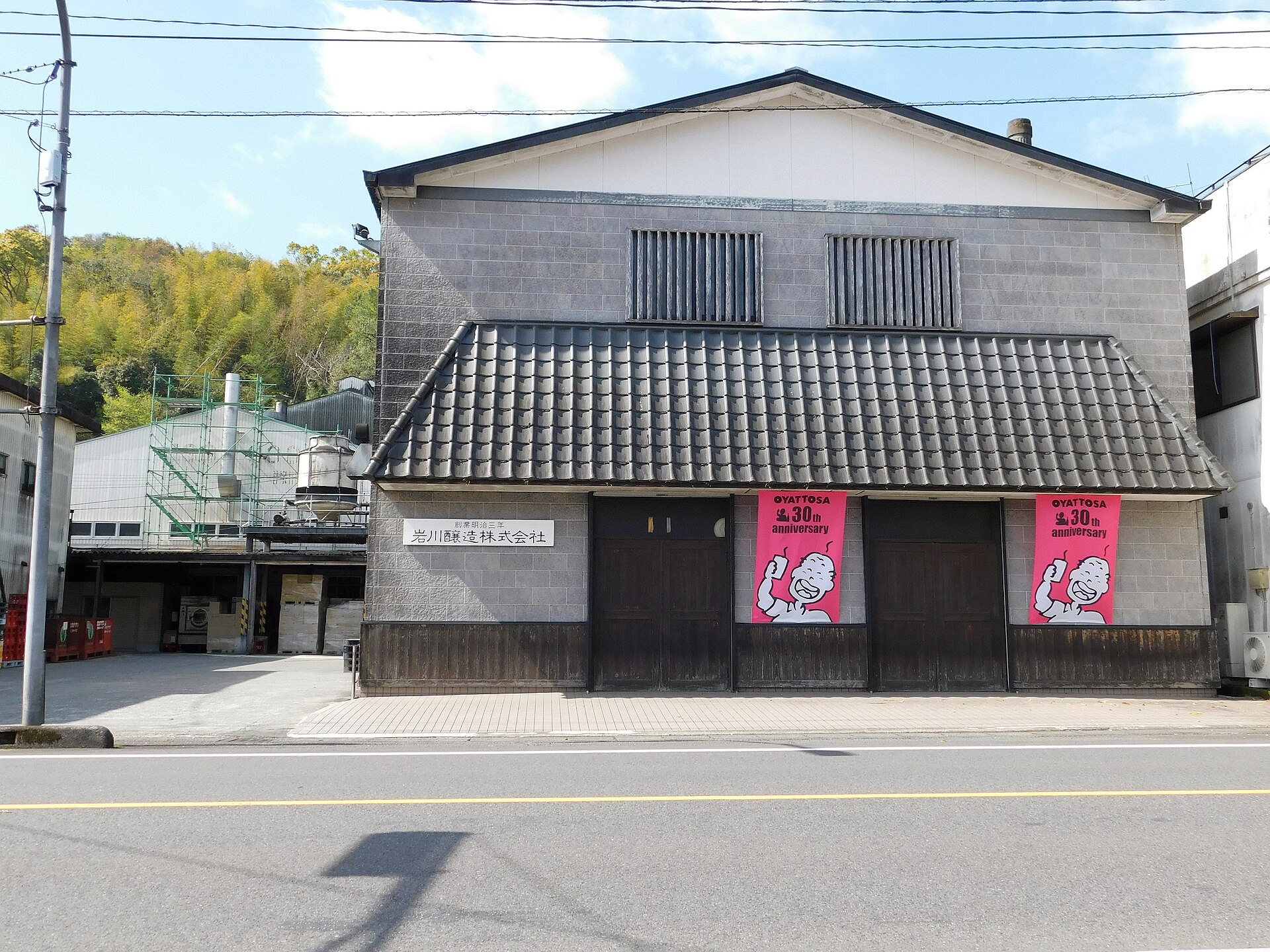
Head office of Iwagawa Jozo, a shochu distillery in Soo, Kagoshima
Photo: Yauchi / Public domain · Soo, Kagoshima
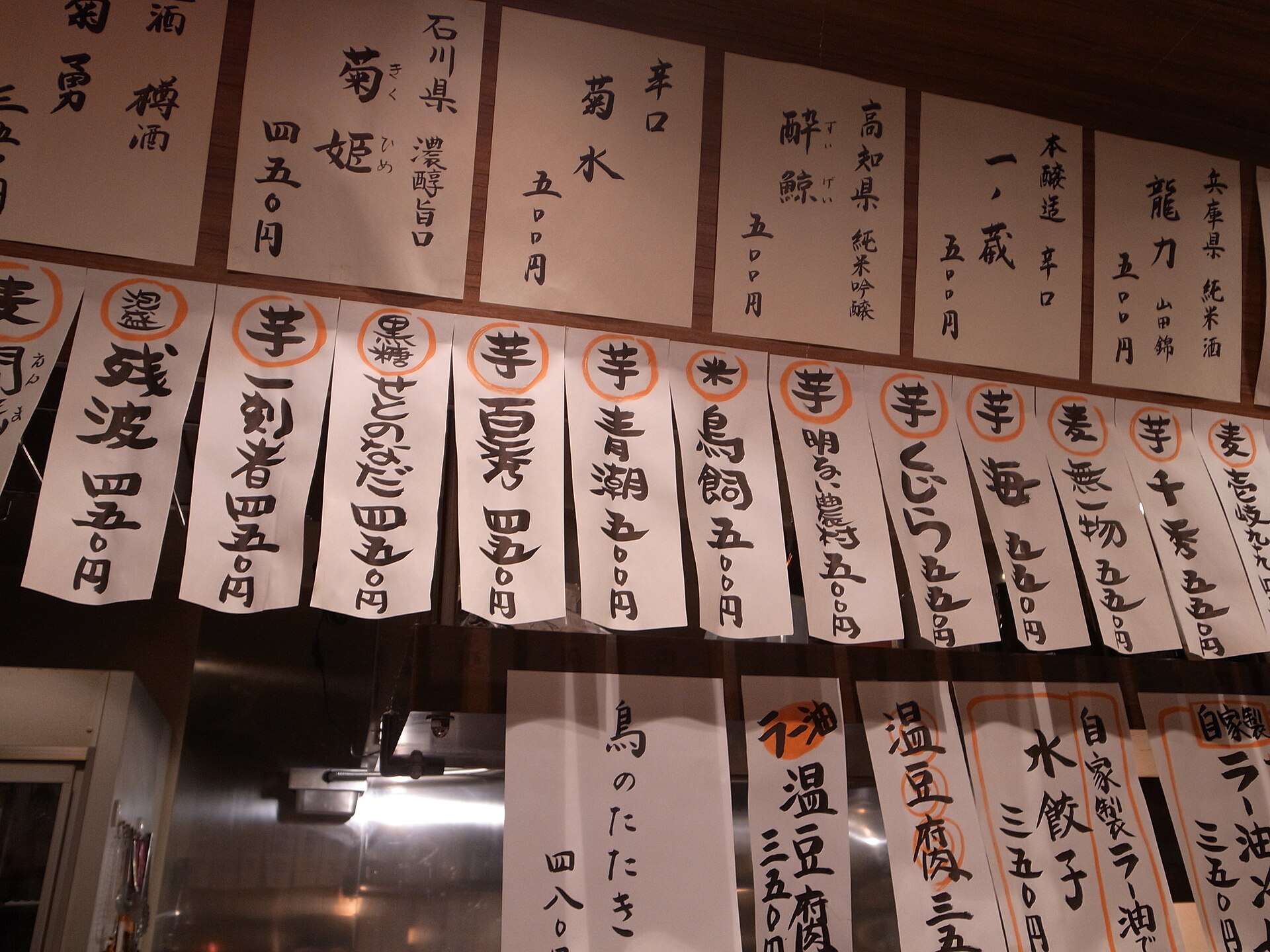
An izakaya wall of menu tags listing shochu by base ingredient: imo, rice, barley, brown sugar
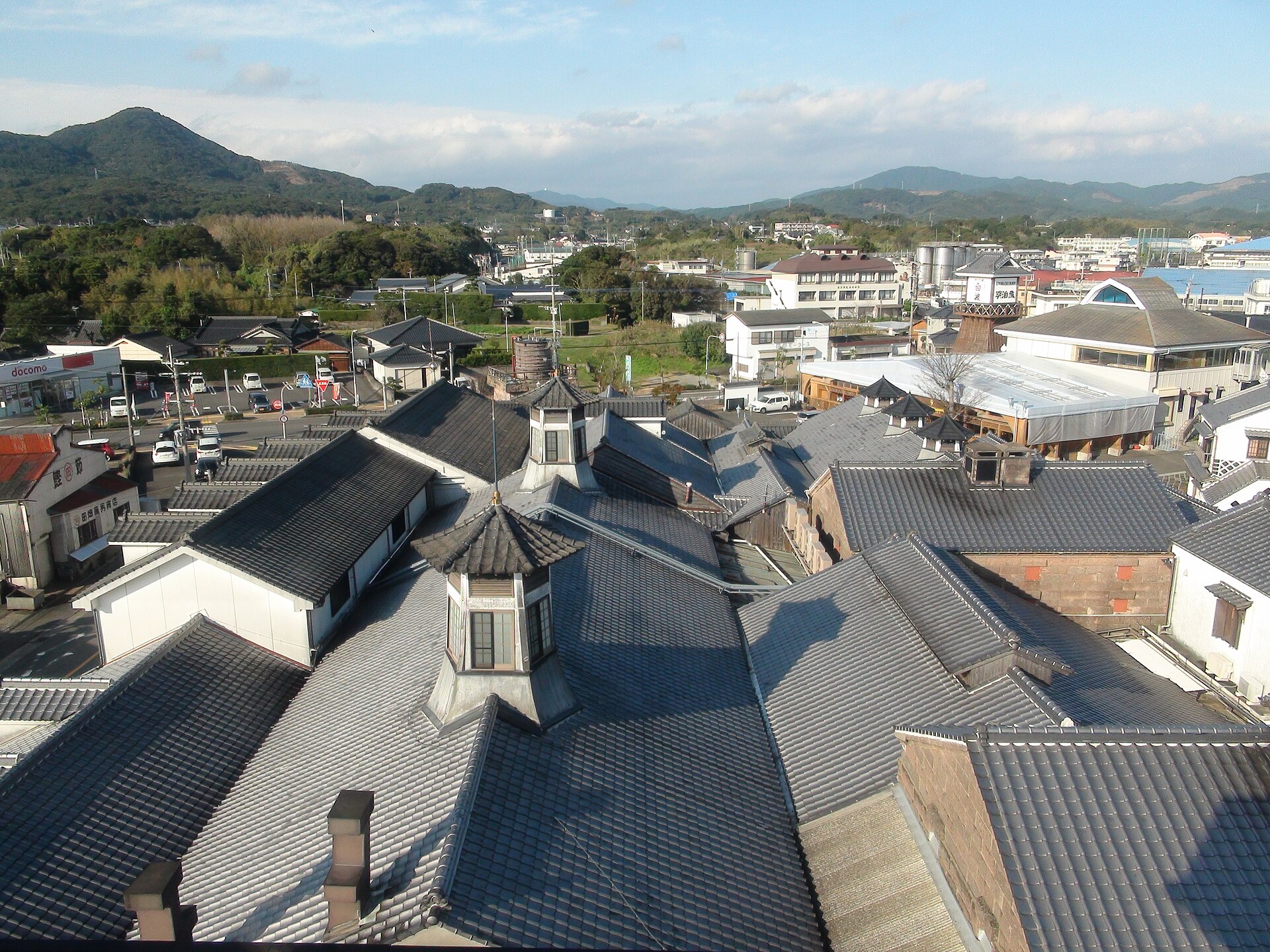
Tiled roofs of Satsuma Shuzo's Kedogawa shochu factory overlooking Makurazaki
Photo: Sakaori (talk) / CC BY 3.0 · Makurazaki, Kagoshima
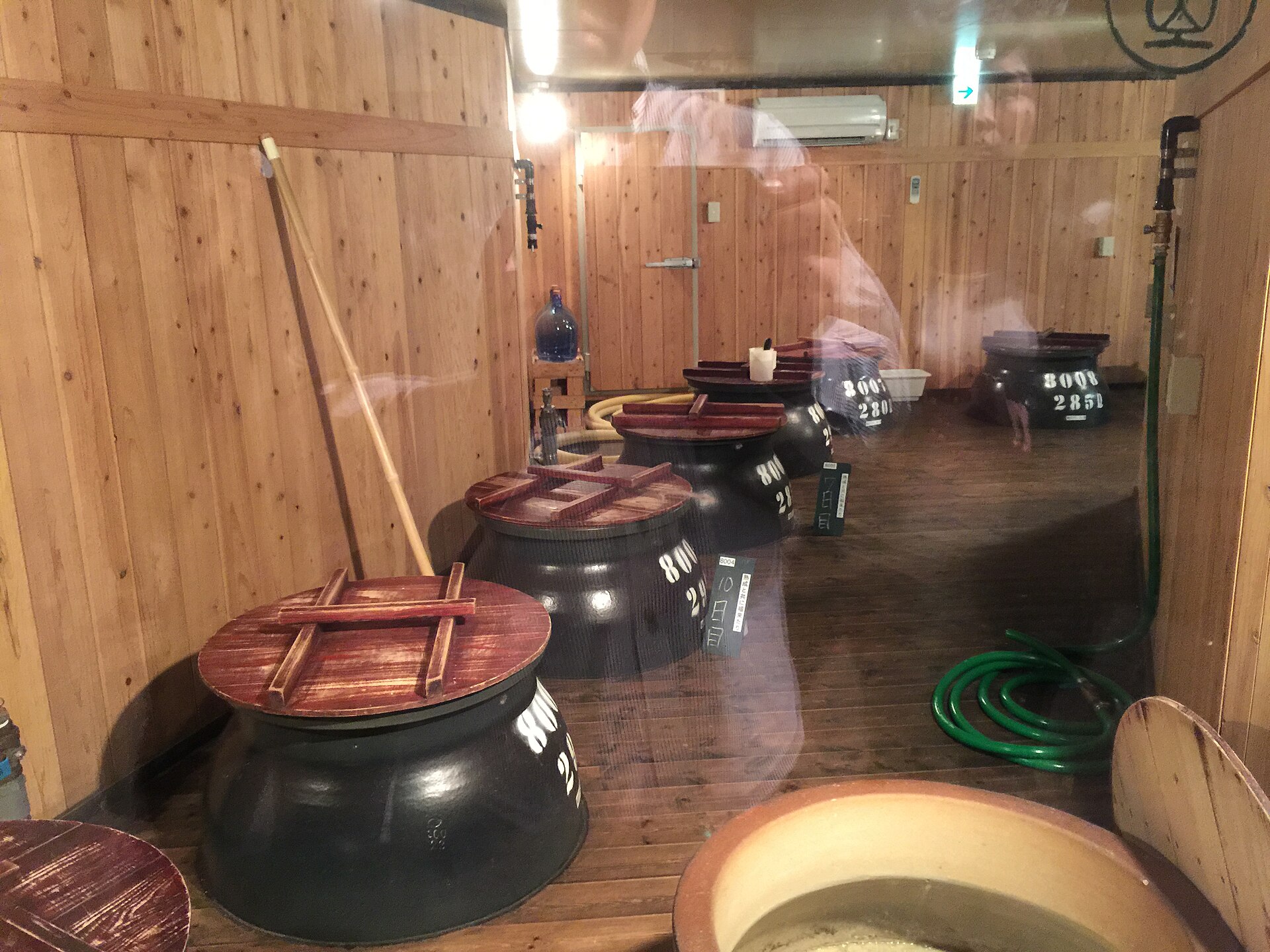
Shochu jars (kame) set into the floor at Satsuma Kinzangura
Photo: メルビル / CC BY-SA 4.0 · Ichikikushikino, Kagoshima
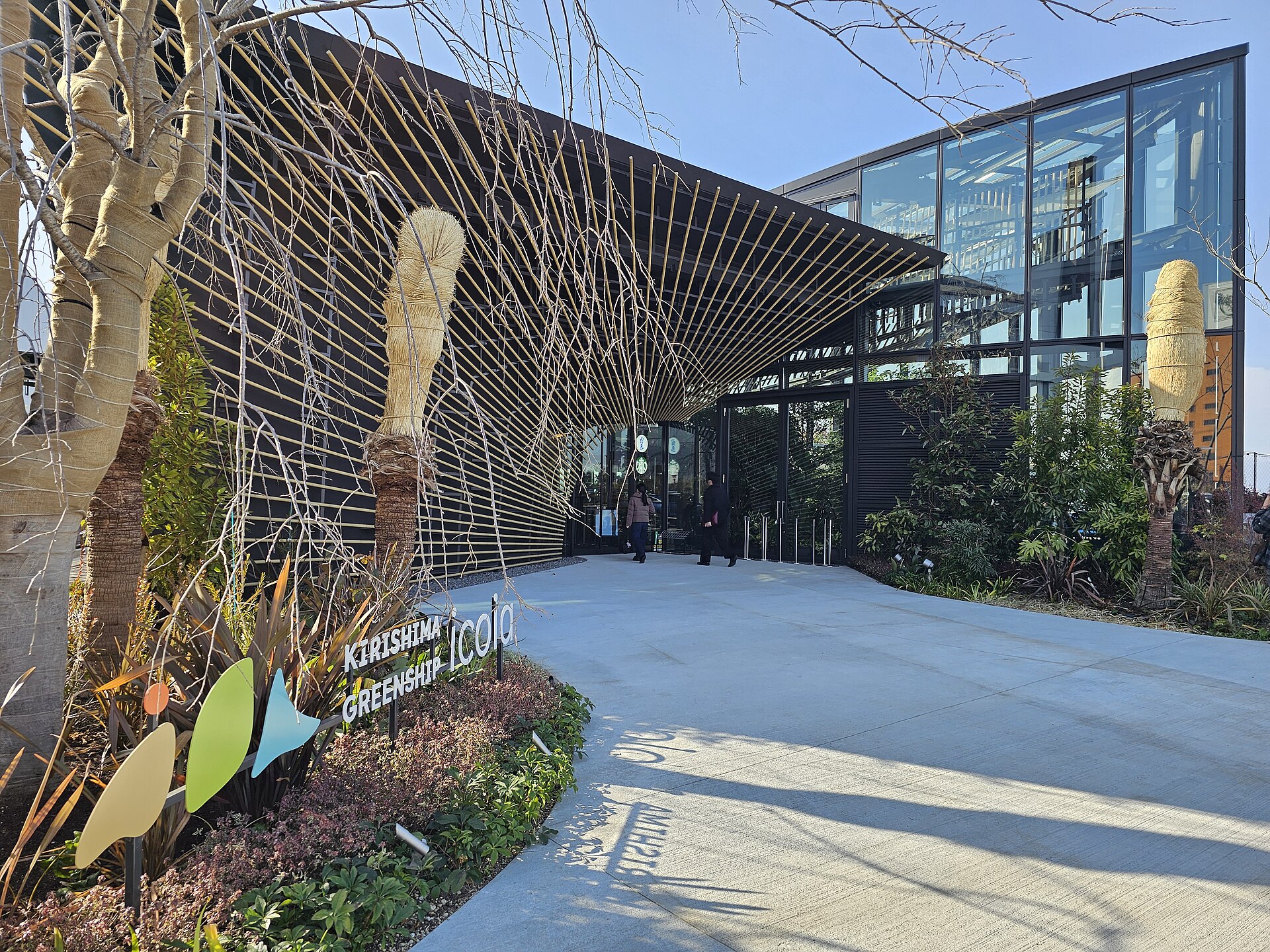
Entrance of KIRISHIMA GREENSHIP icoia, a Kirishima Shuzo visitor facility
Photo: ja:User:Sanjo / CC BY-SA 4.0 · Miyakonojo, Miyazaki
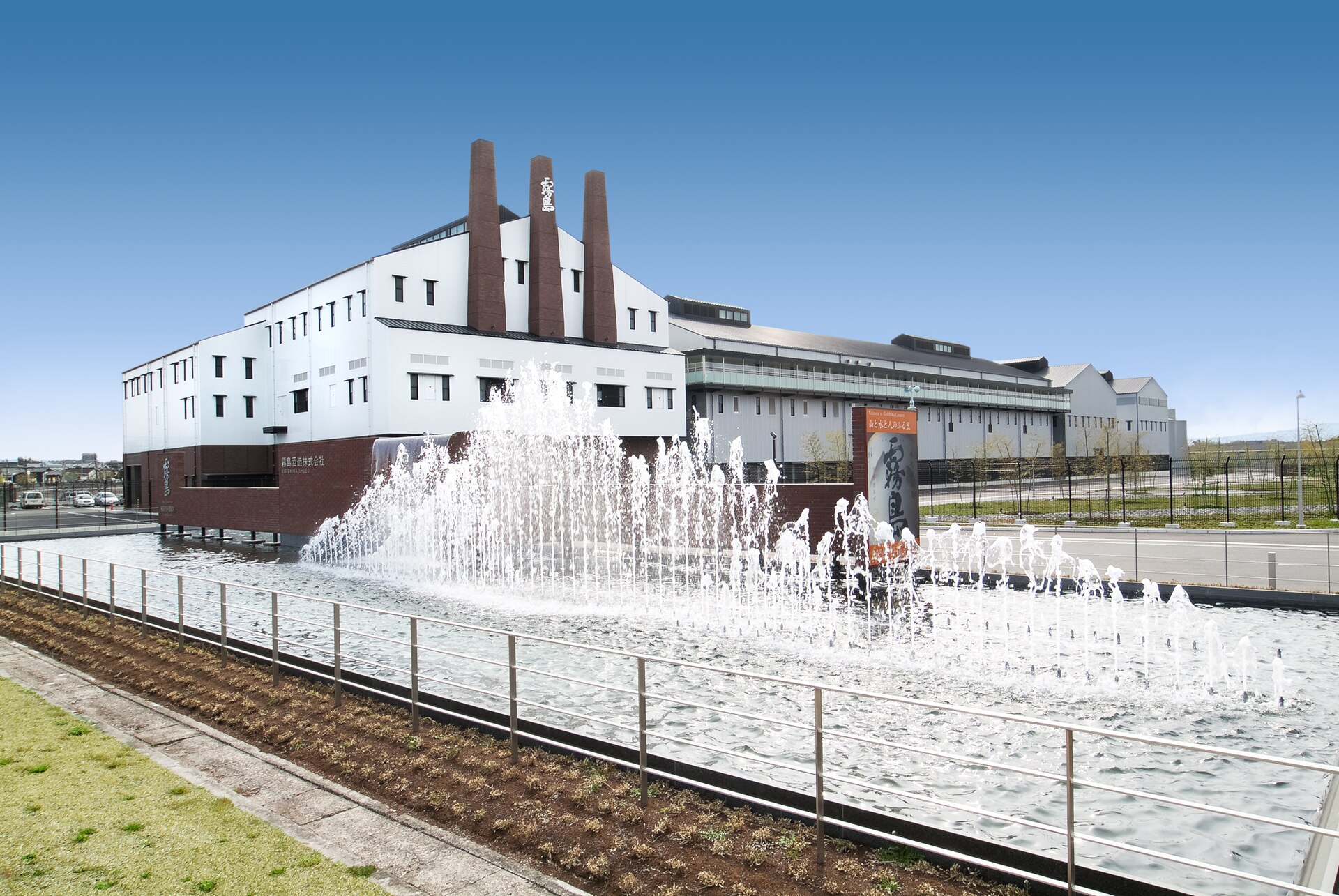
Kirishima Shuzo's expanded head-office factory beyond a fountain
Photo: A-sonoda / CC BY-SA 4.0 · Miyakonojo, Miyazaki
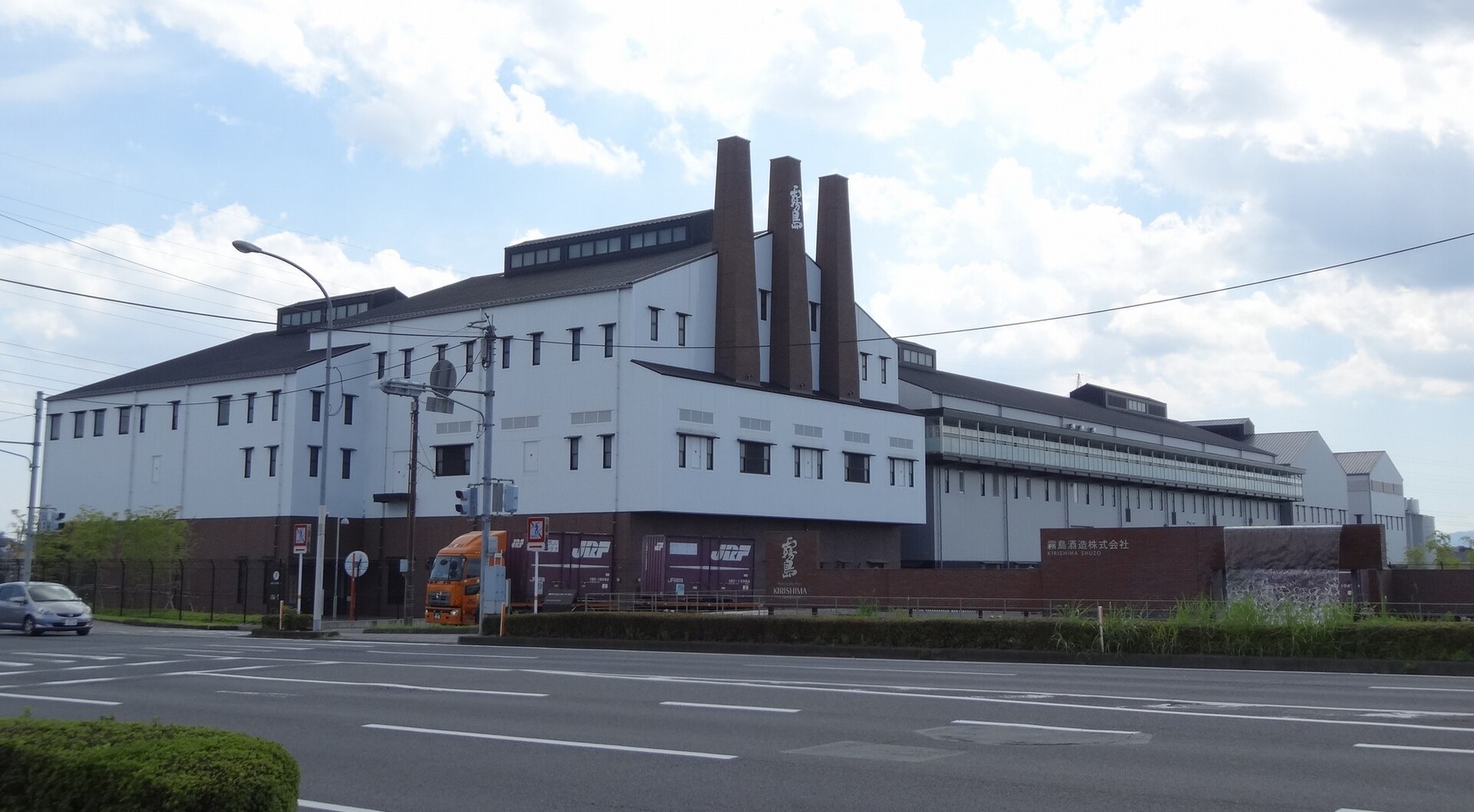
Kirishima Shuzo's main office and factory with its row of chimneys
Photo: ja:User:Sanjo / CC BY-SA 3.0 · Miyakonojo, Miyazaki
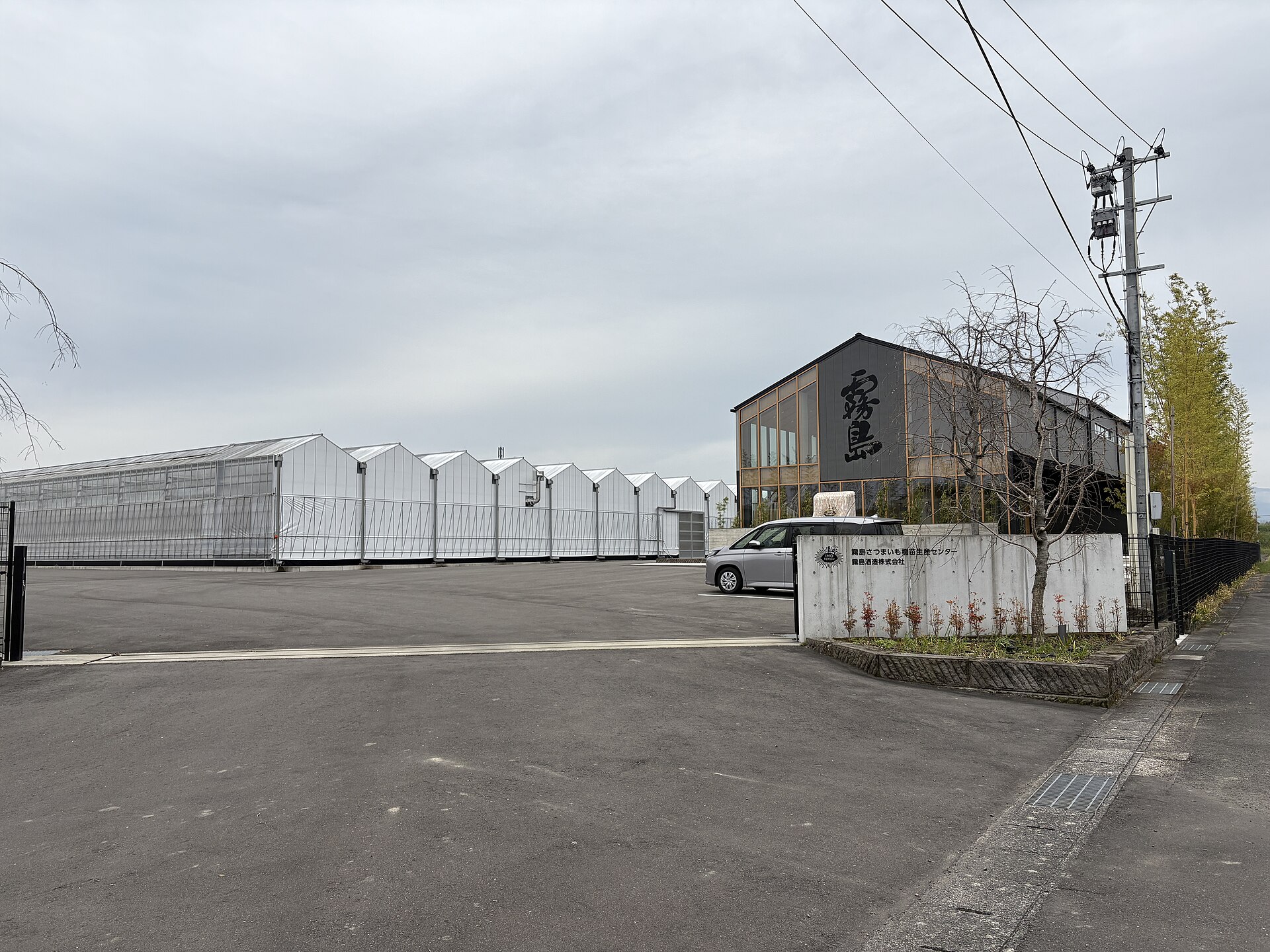
Greenhouses of Kirishima Shuzo's sweet potato seedling production center
Photo: あじさか / CC BY-SA 4.0 · Shibita, Miyakonojo, Miyazaki
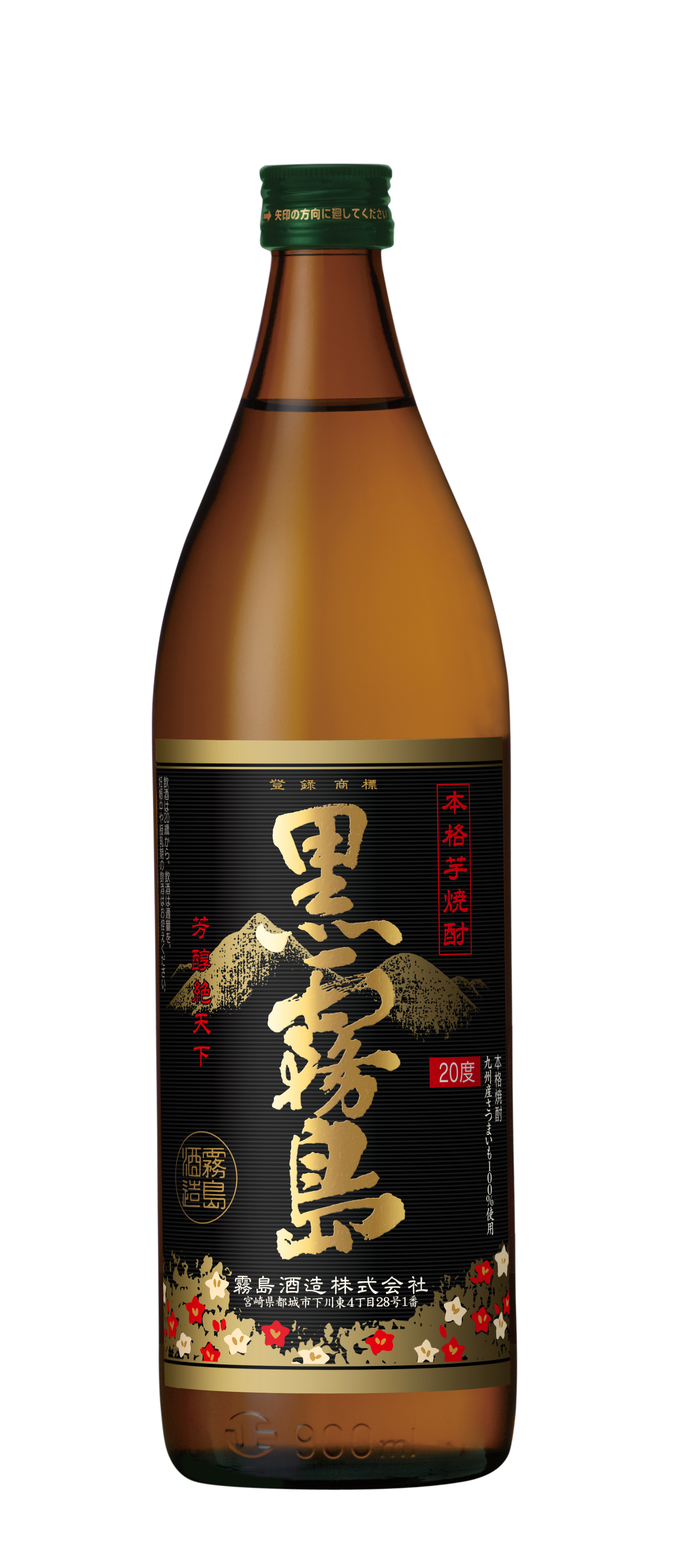
A 900 ml bottle of Kuro Kirishima imo shochu
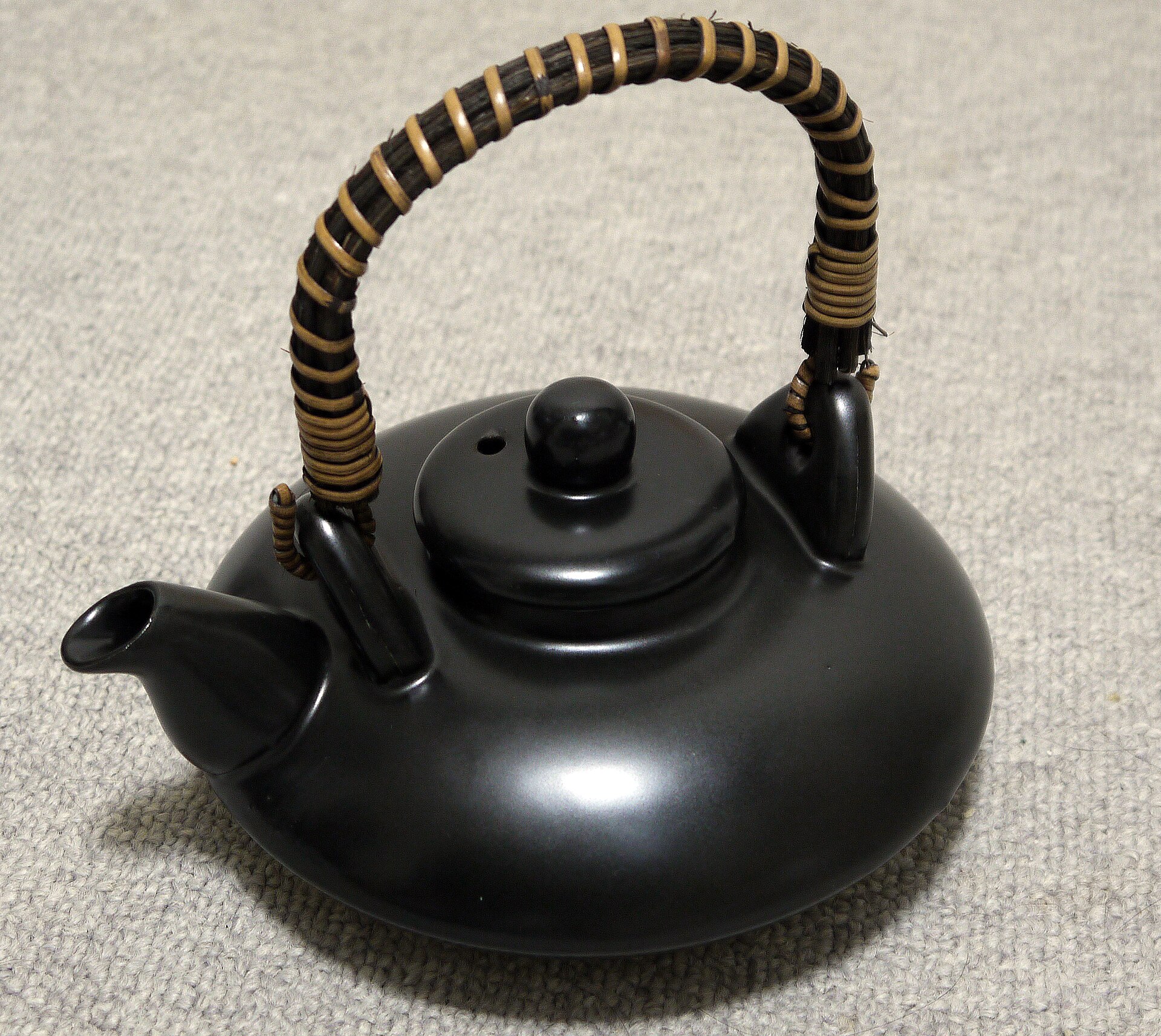
A black ceramic kurojoka, the vessel used to warm and pour shochu
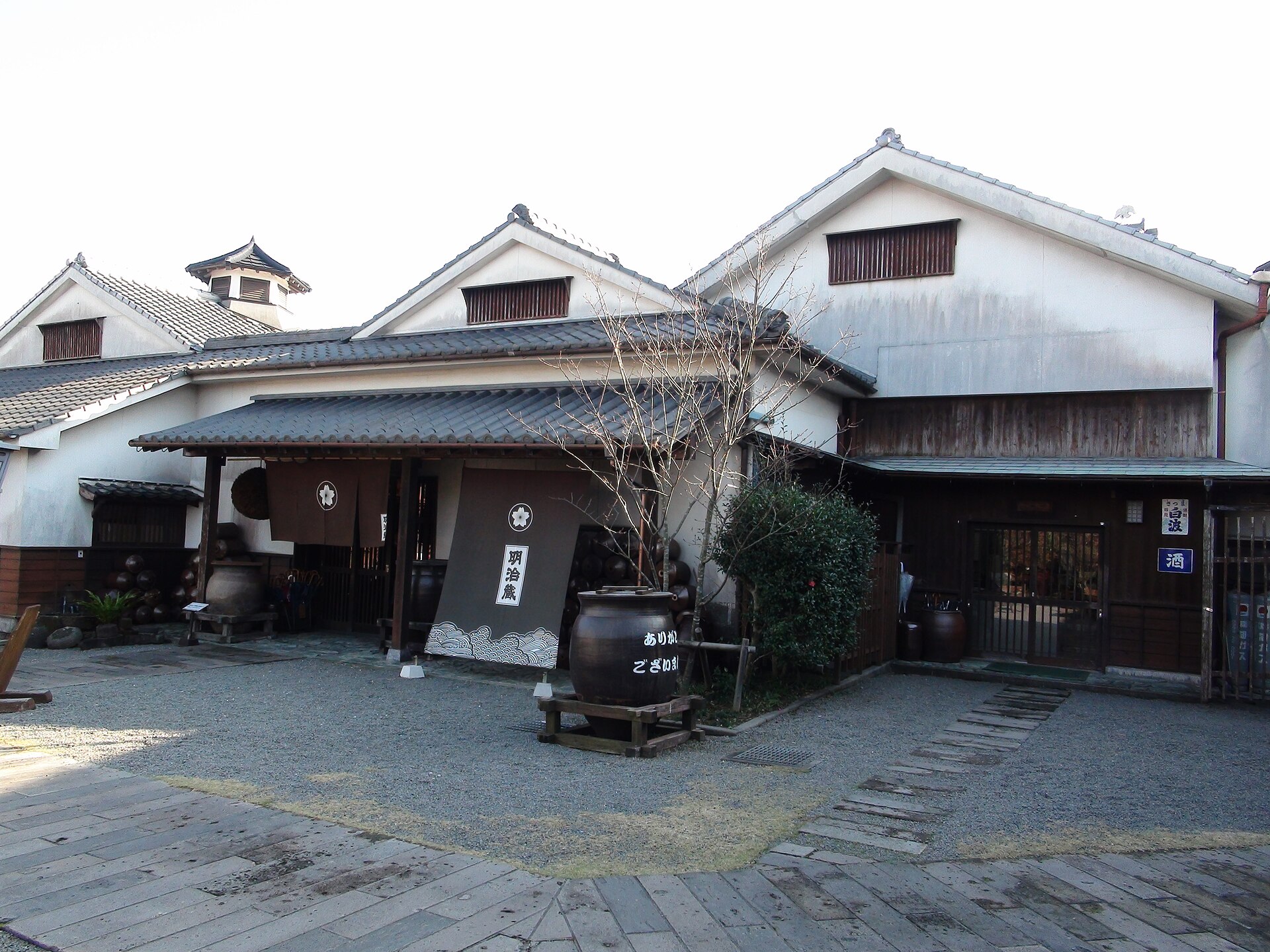
Shochu jars in the courtyard of Satsuma Shuzo's Meijigura distillery and museum
Photo: Sakaori (talk) / CC BY 3.0 · Makurazaki, Kagoshima
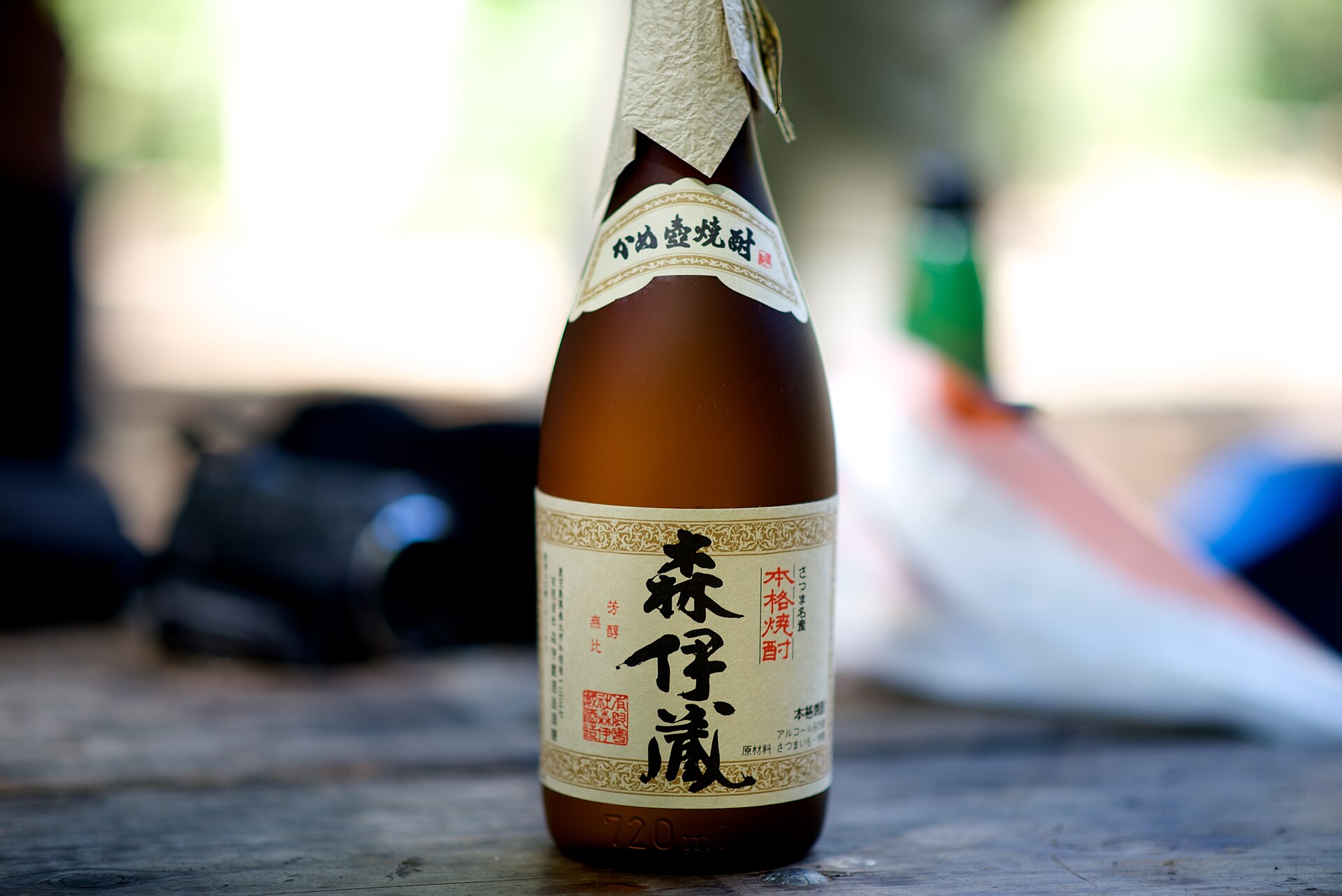
A bottle of Mori Izo kame-pot imo shochu
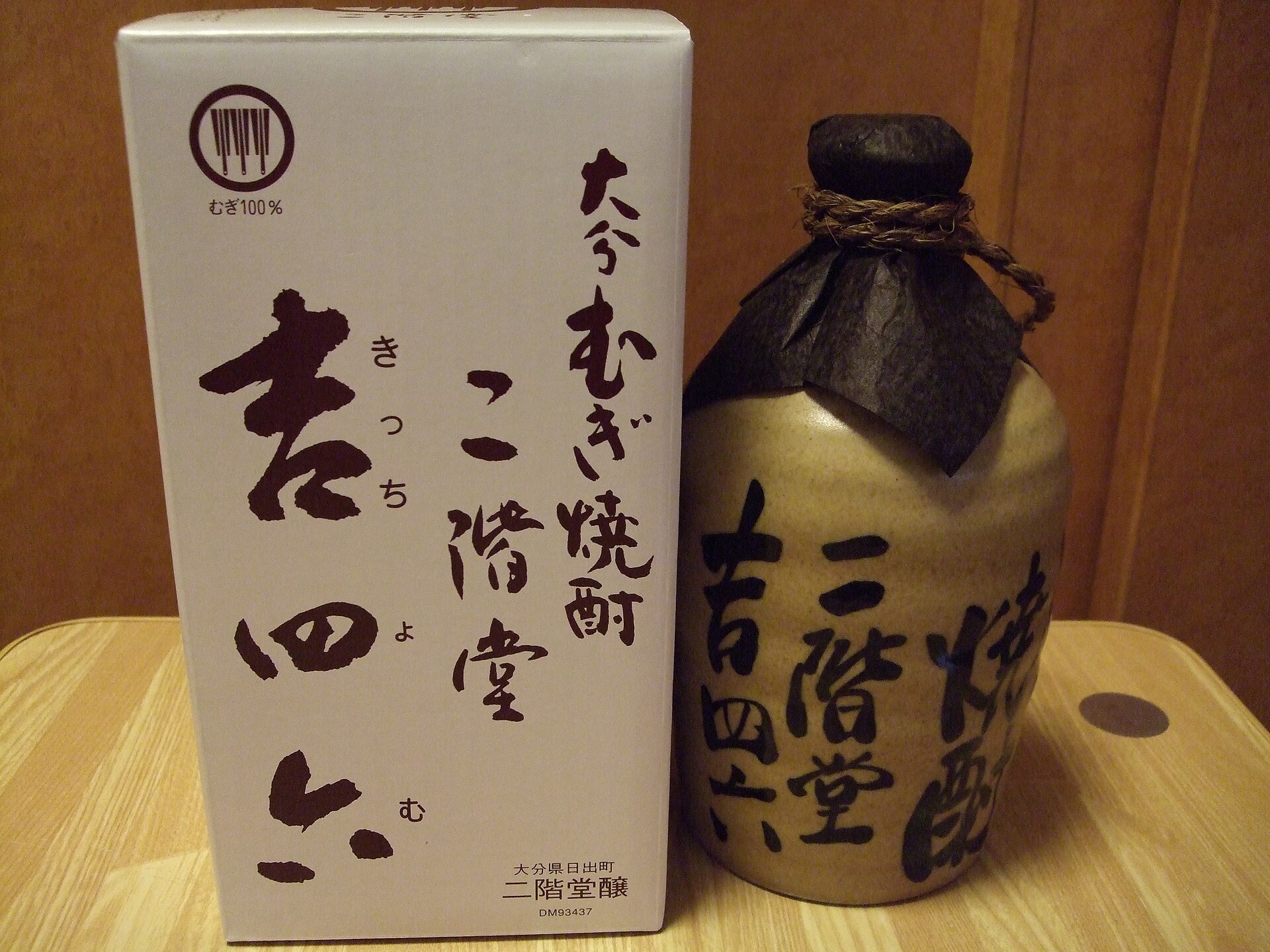
Nikaido Shuzo's Kicchomu barley shochu in a ceramic jug with its box
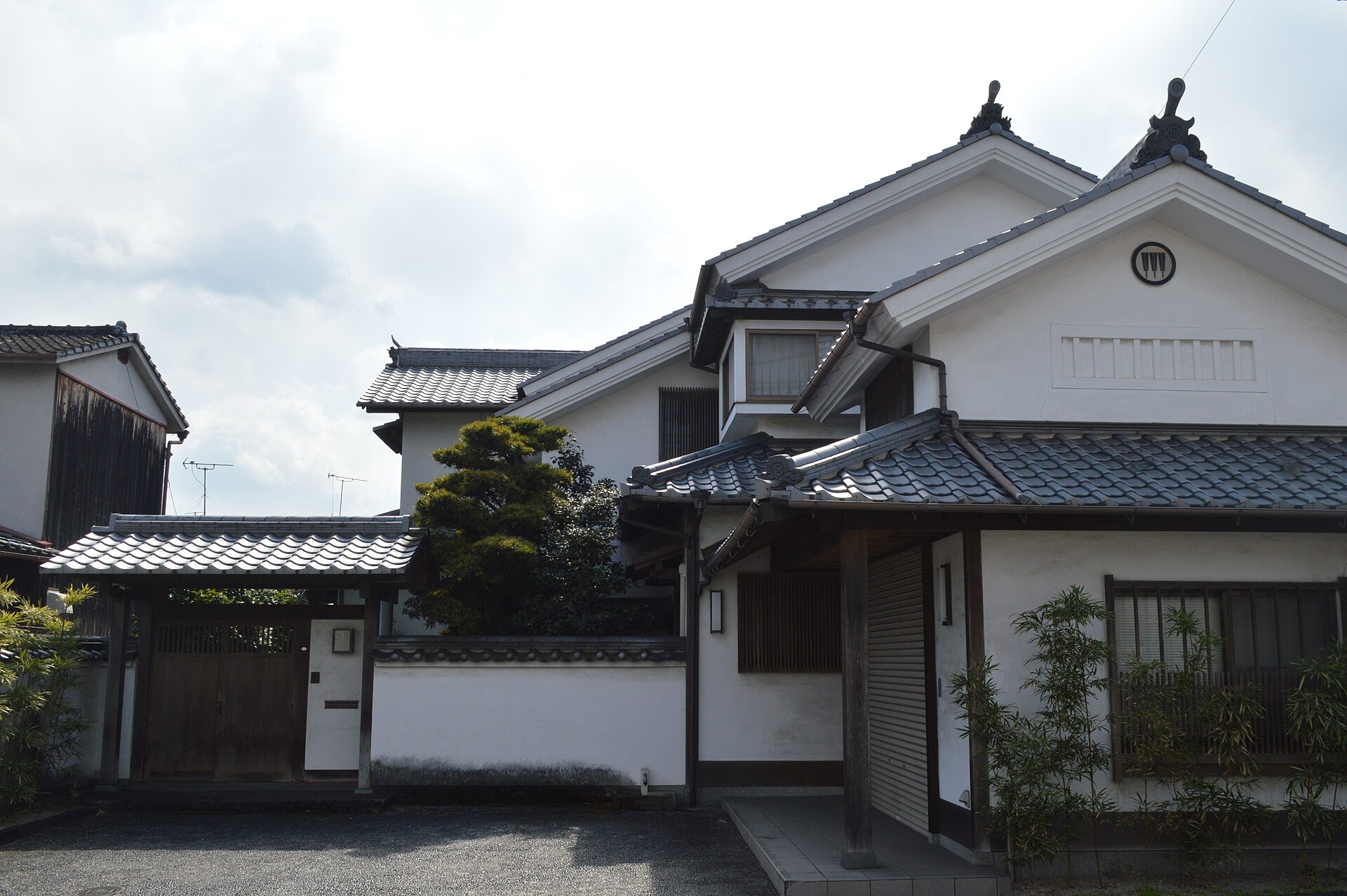
Nikaido Shuzo's distillery buildings in Hiji, Oita
Photo: Razgrad / CC BY-SA 4.0 · Hiji, Oita
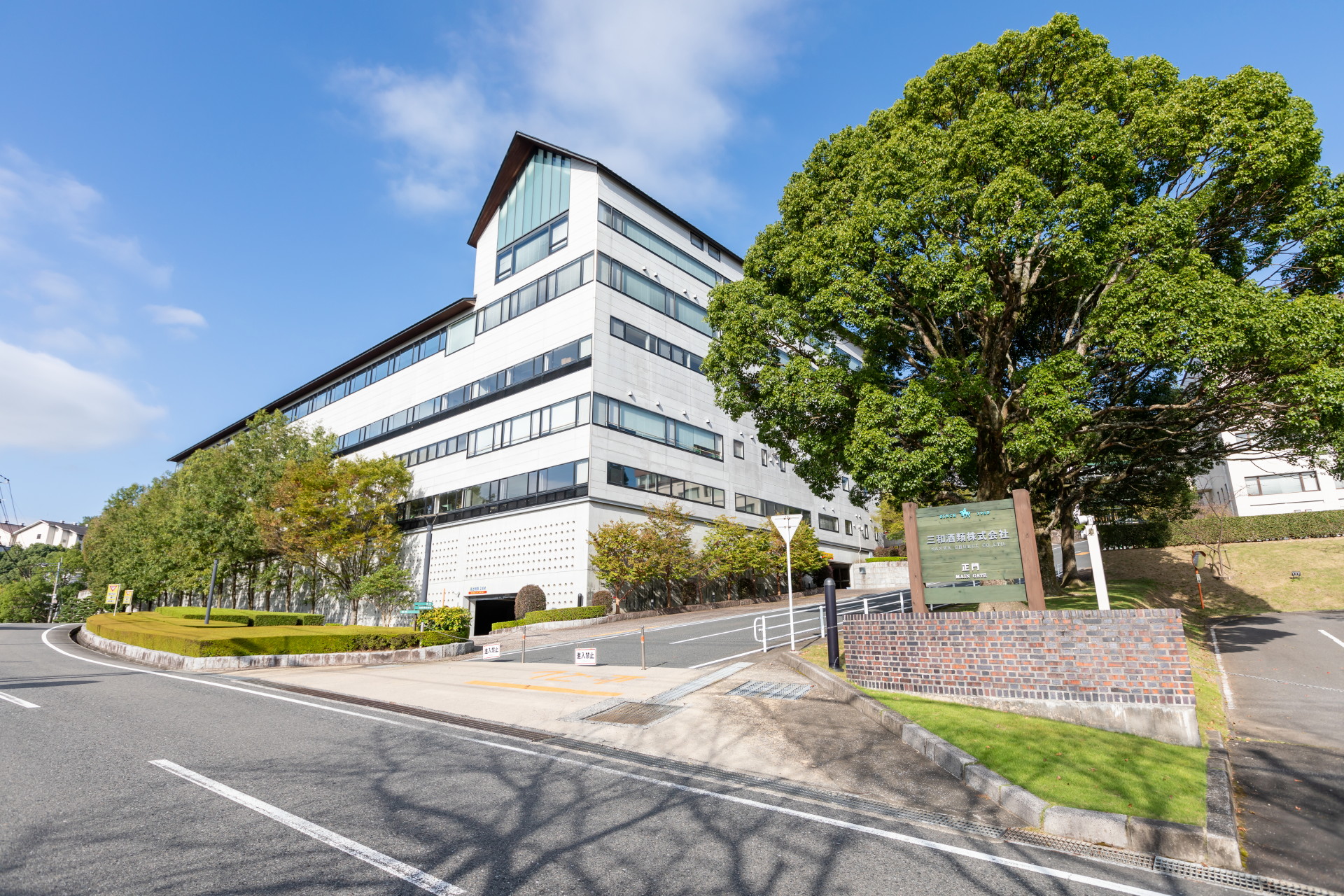
Head office of Sanwa Shurui, maker of iichiko, in Usa, Oita
Photo: Watofamily / CC BY-SA 4.0 · Usa, Oita
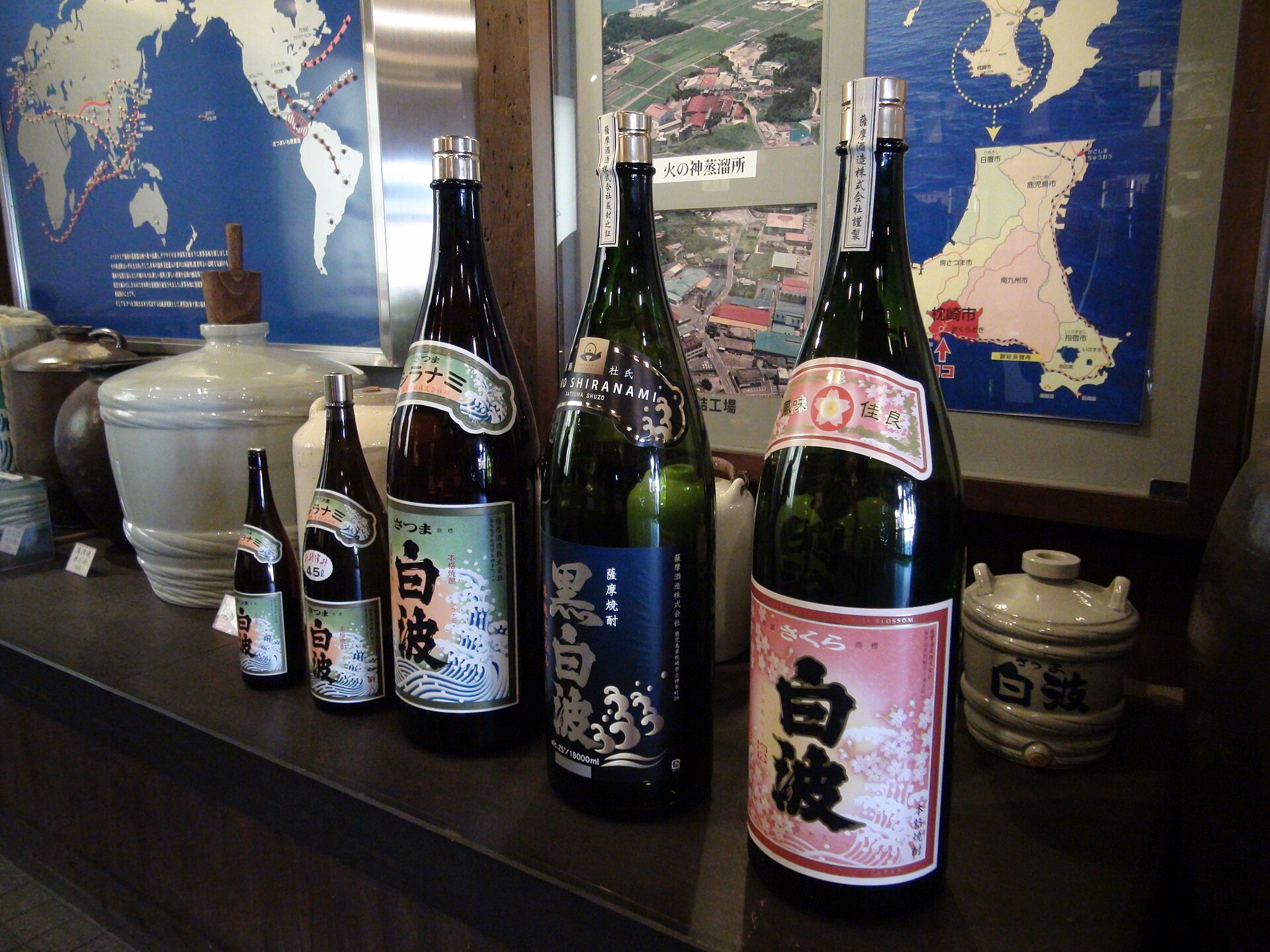
Satsuma Shuzo shochu bottles including Shiranami, displayed with jars
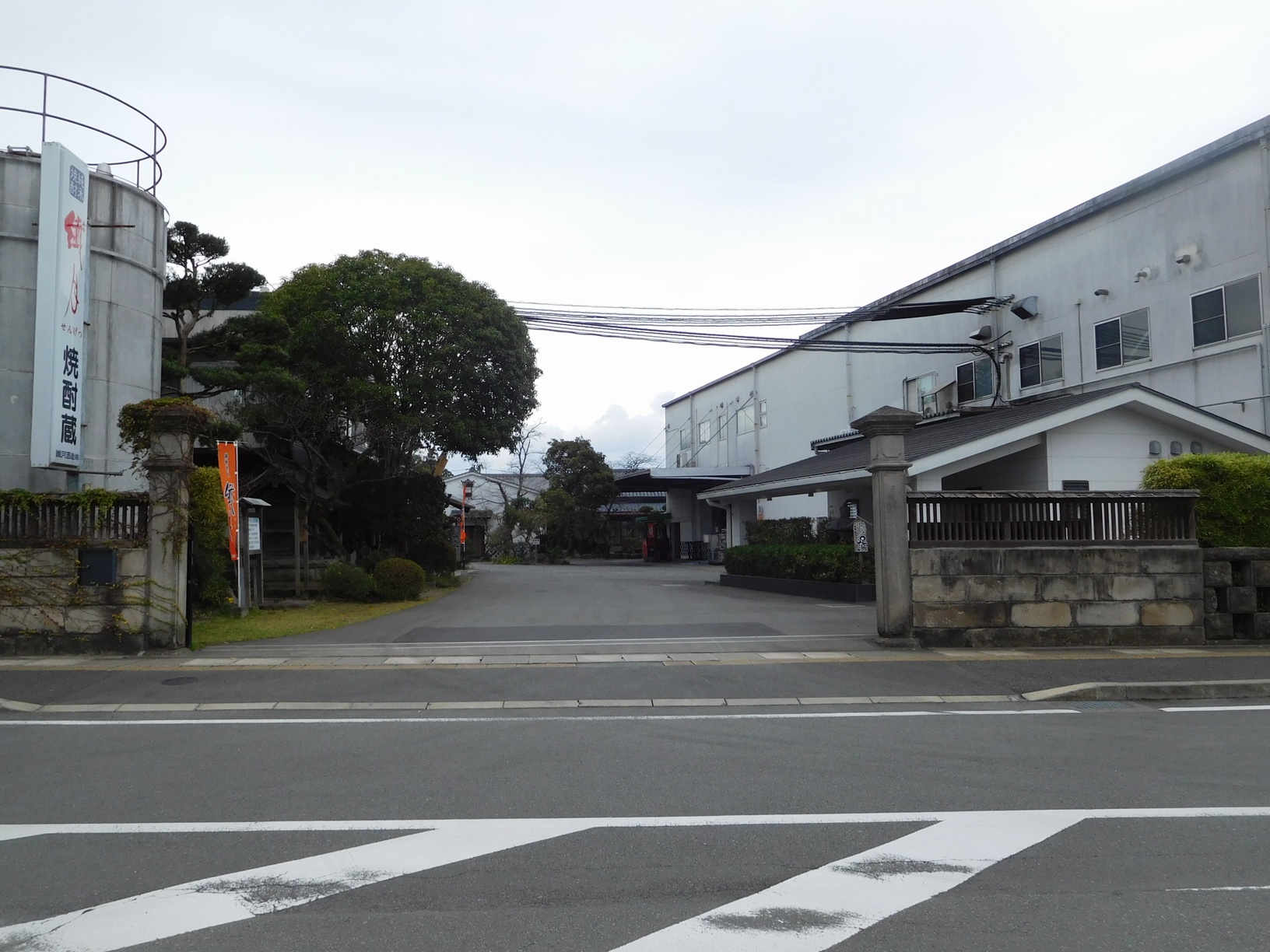
Sengetsu Shuzo, a Kuma shochu distillery in Hitoyoshi, Kumamoto
Photo: ja:User:Sanjo / CC BY-SA 3.0 · Hitoyoshi, Kumamoto
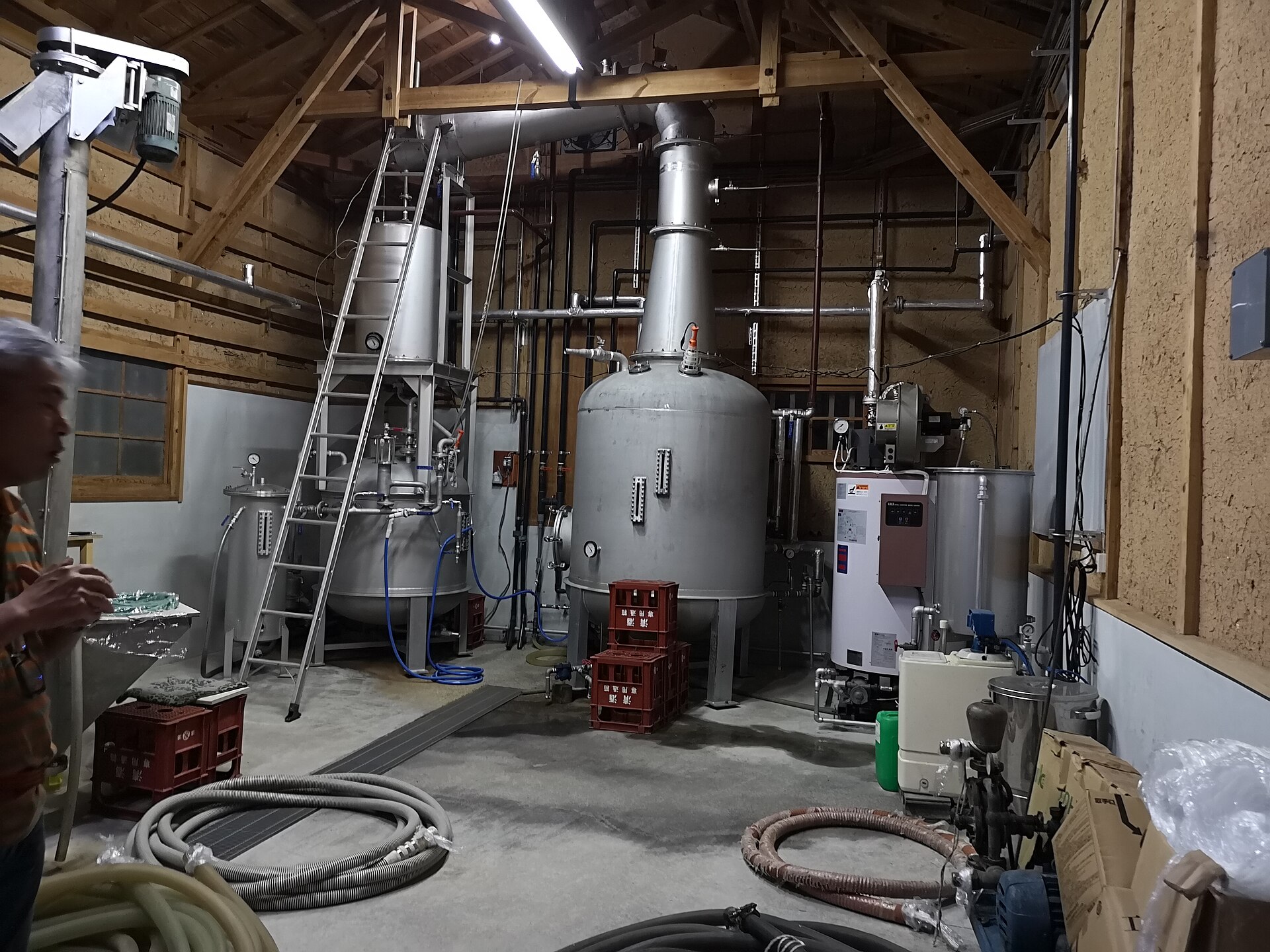
A shochu still in the production room at Tango Kura
Photo: 漱石の猫 / CC BY-SA 4.0 · Kyotango, Kyoto
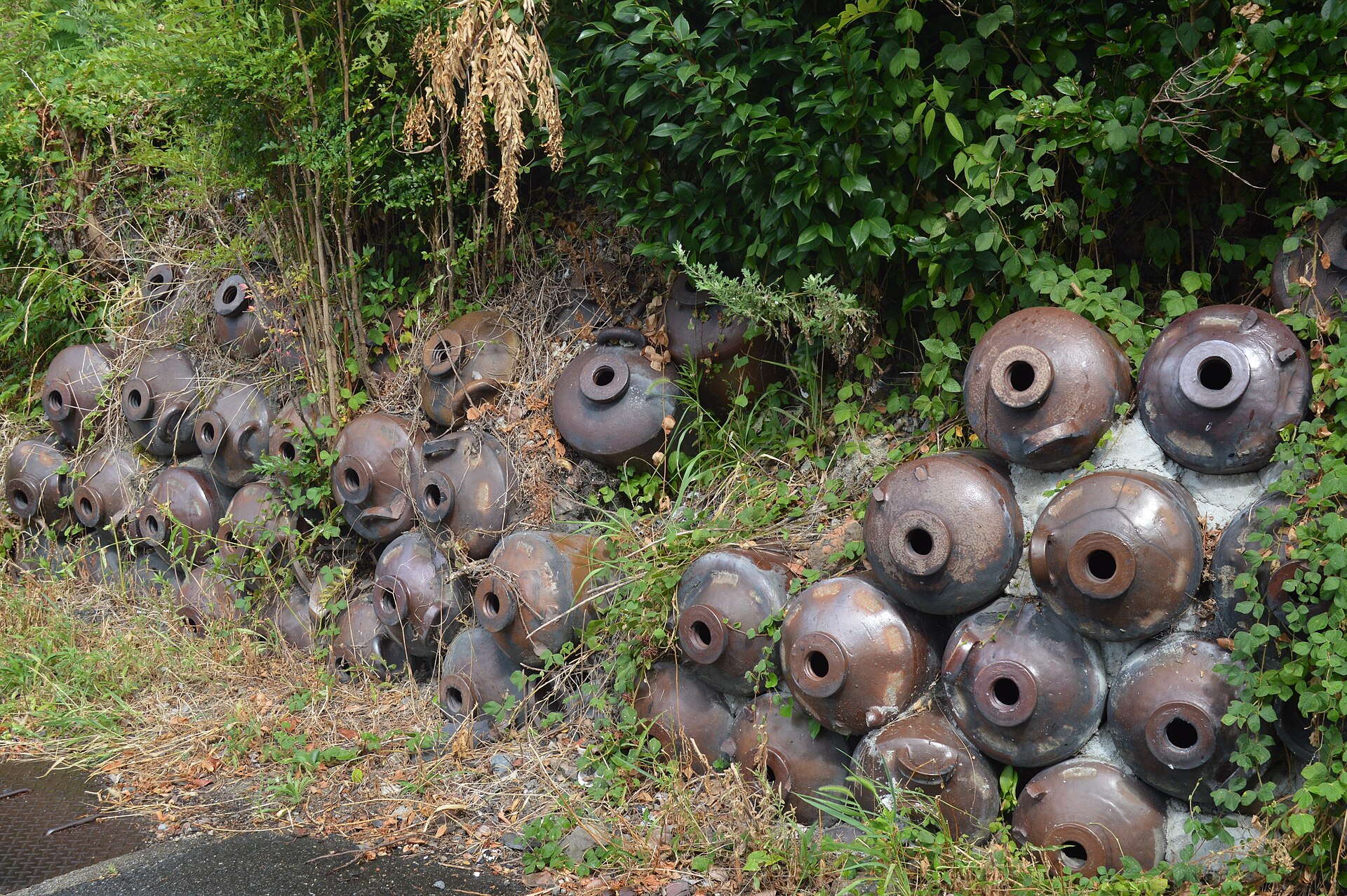
Tokoname-ware ceramic shochu jugs built into a slope
Photo: Asturio Cantabrio / CC BY-SA 4.0 · Tokoname, Aichi