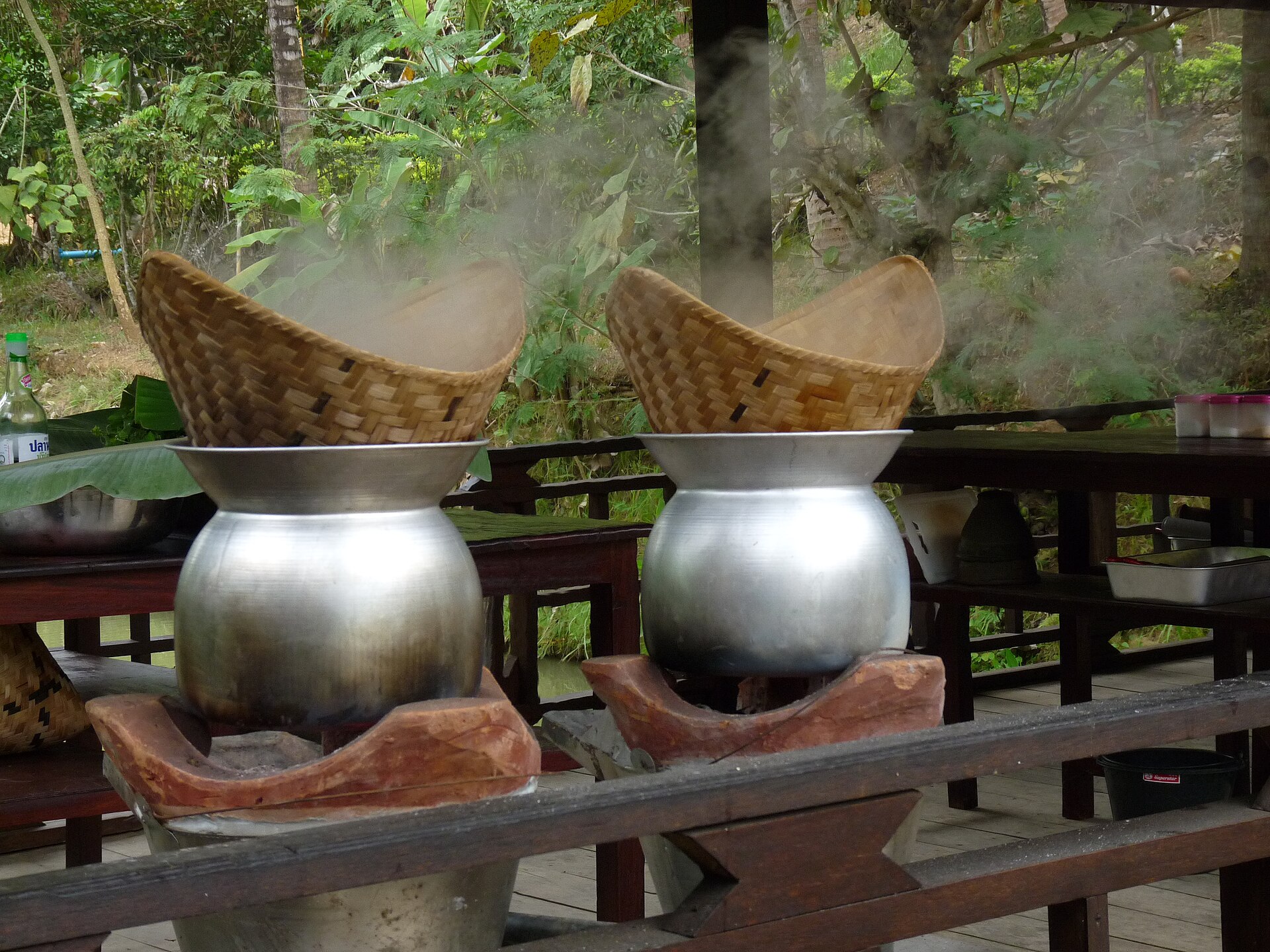
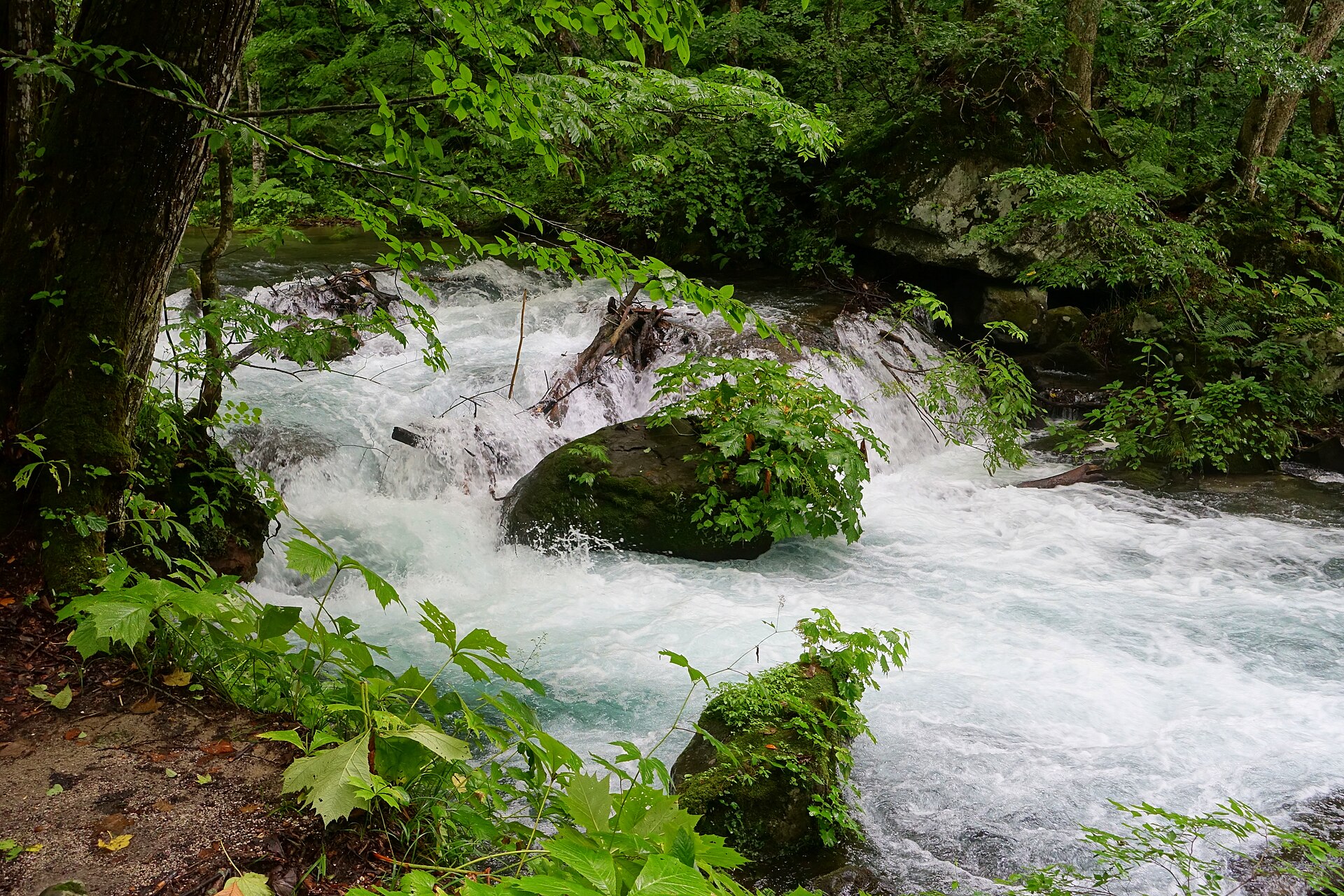
WATER SHAPES THE DRINK
Does water shape the drink?
Mashing, rice washing, dilution — water is the first ingredient of every drink. But "this water, therefore this taste" is a claim no one can make.
Rice, grapes, barley, sweet potato, brown sugar, oak, water. Tracing Japan's drinks culture through its places and its makers.
001 / 011
WATER
ORIGIN
TOWADA, AOMORI
TOHOKU · JAPAN
04 — OPENING
EVERY GLASSHASA PLACE.
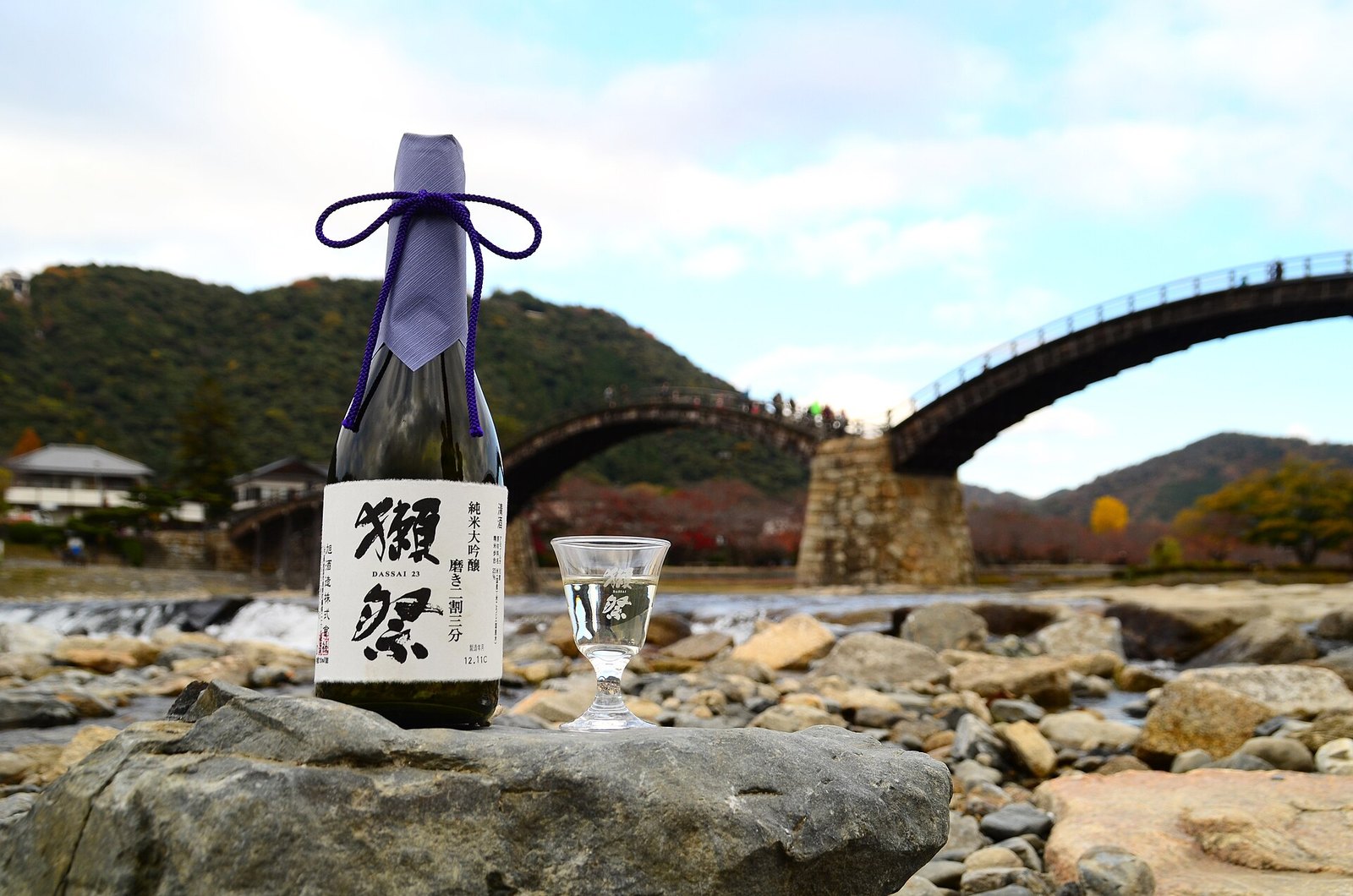
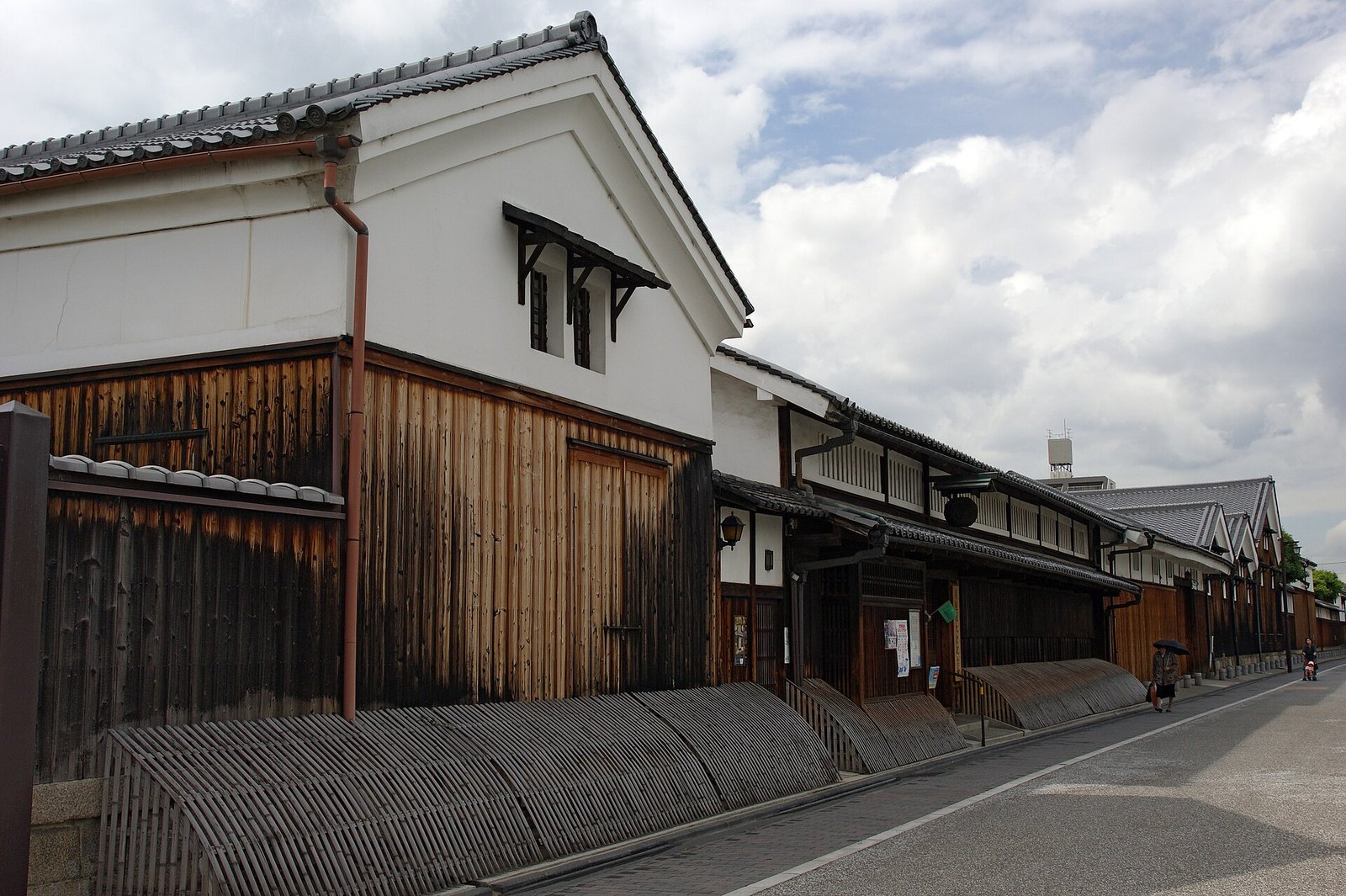
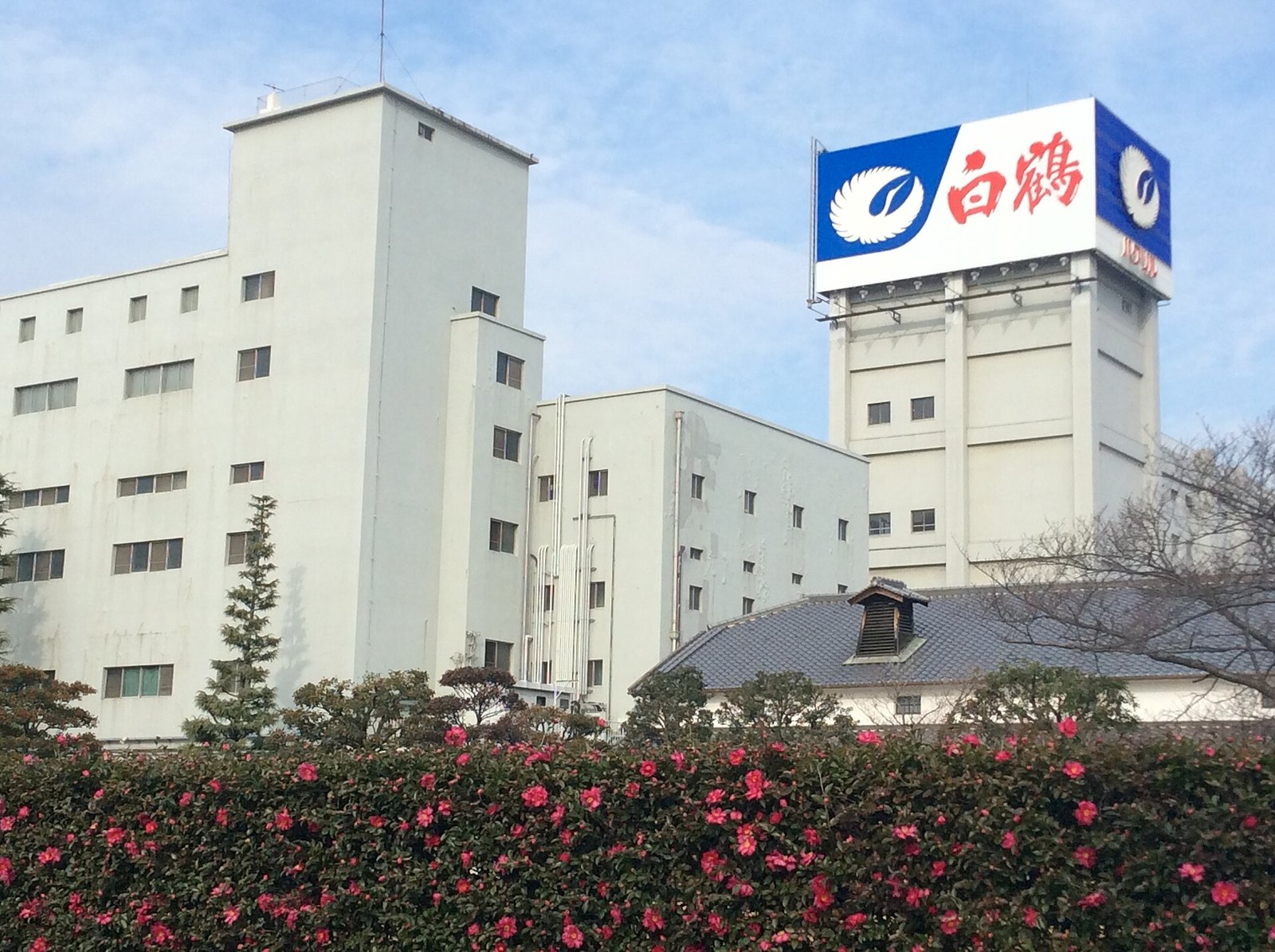
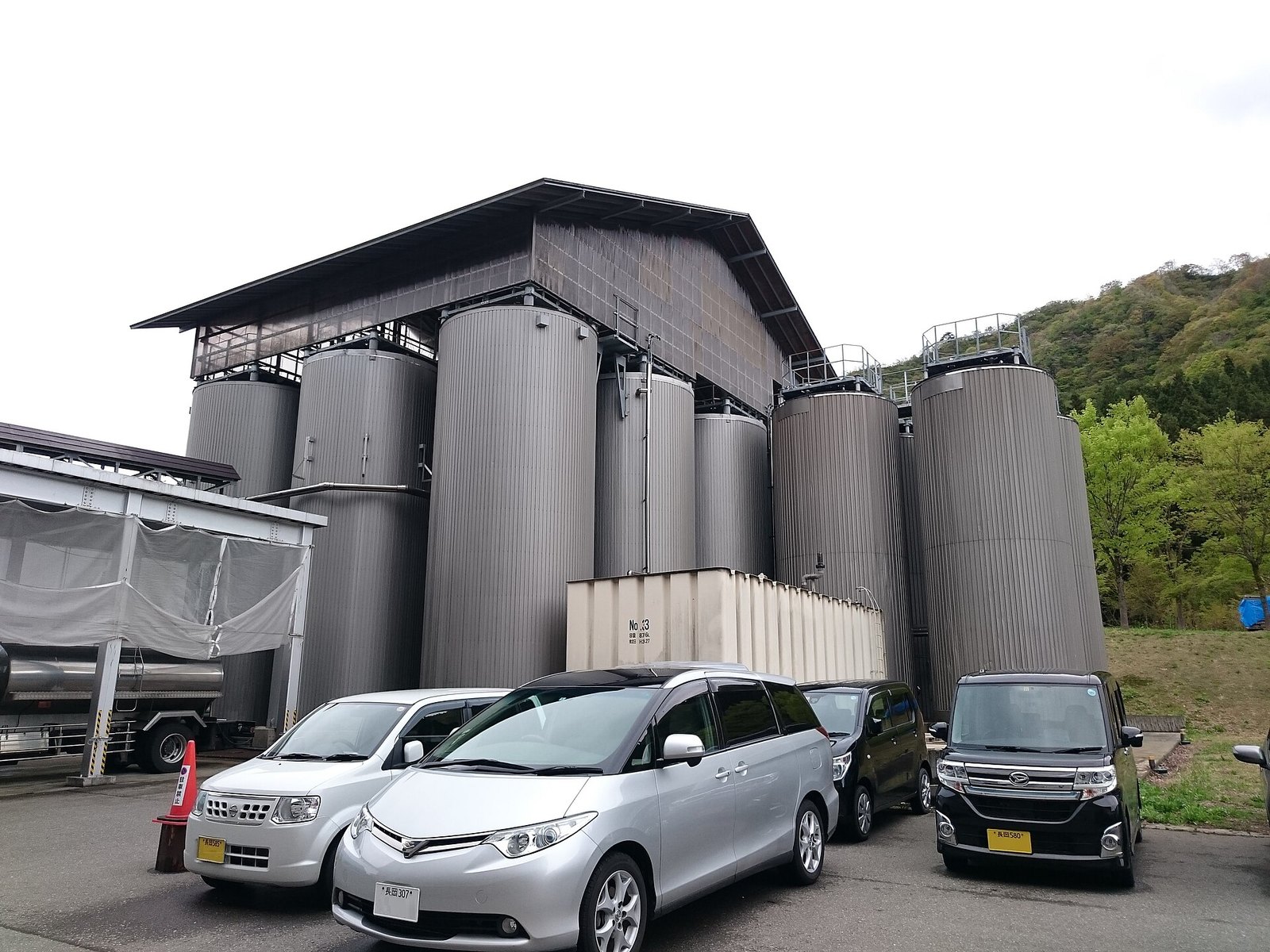
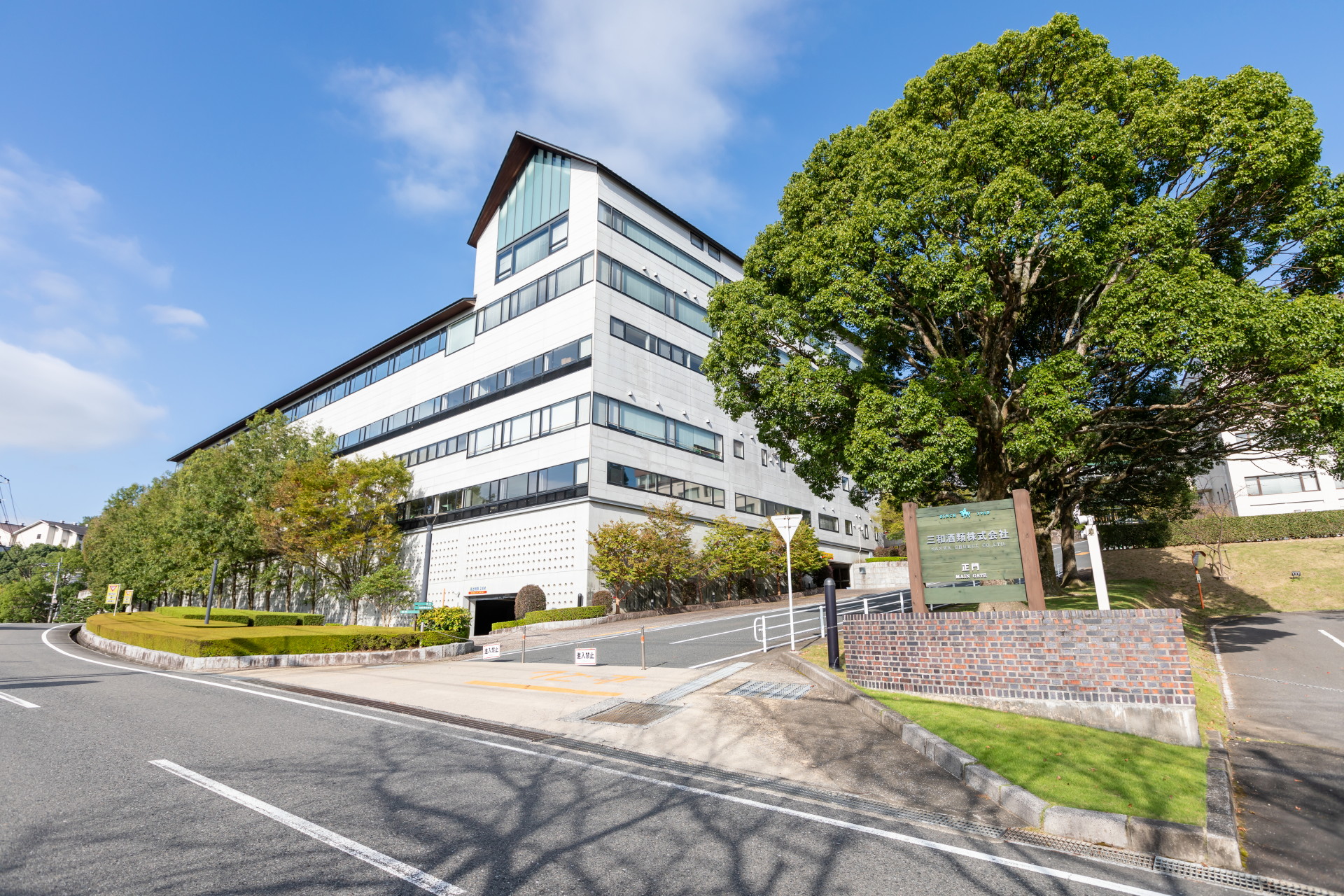
Water rises, rice ripens, grapes swell, barley sways. Makers take it in — ferment it, distill it, and wait. This archive is a map for travelling the Japanese archipelago through its drinks.
05PLACES ON RECORD
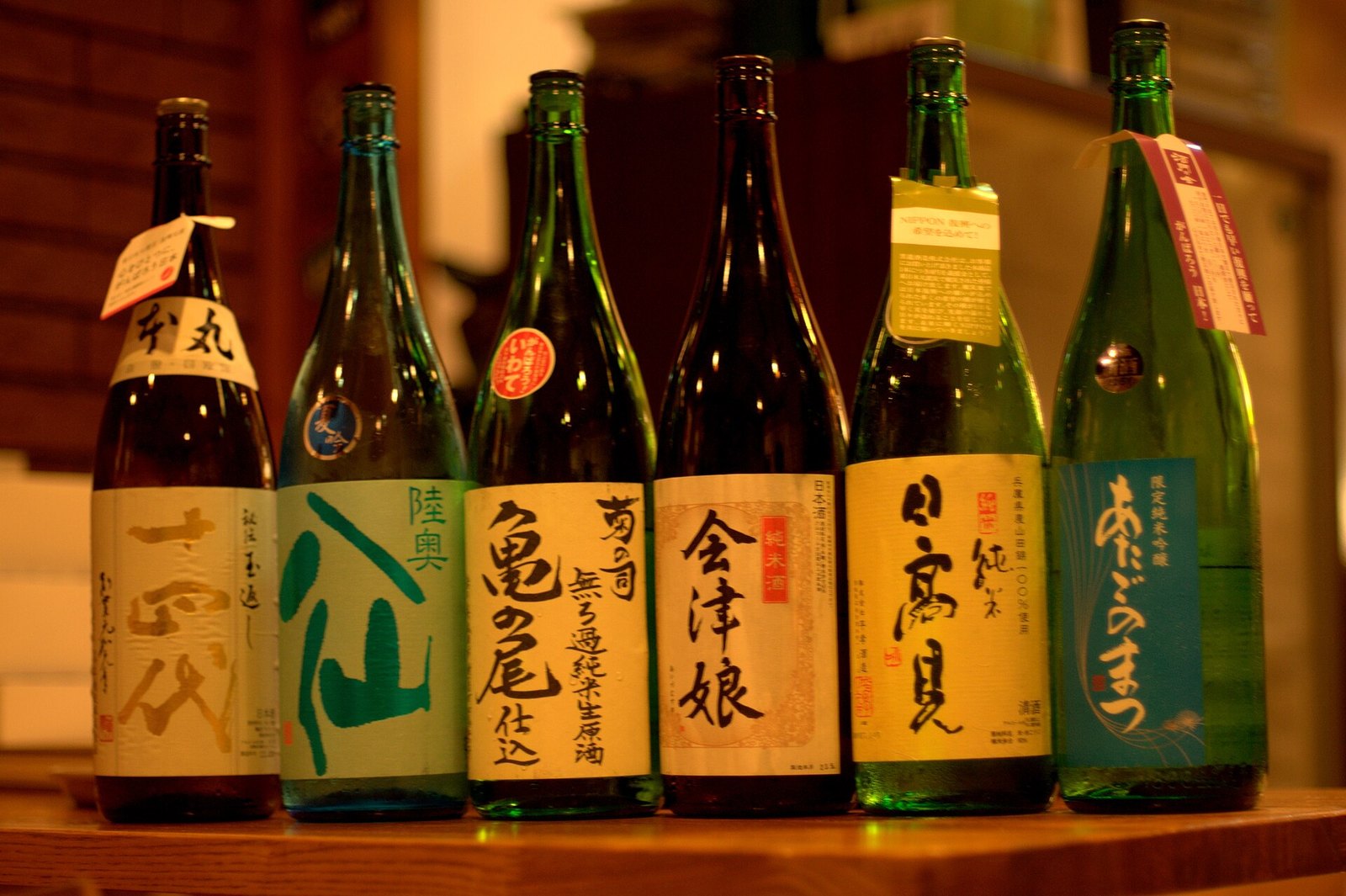
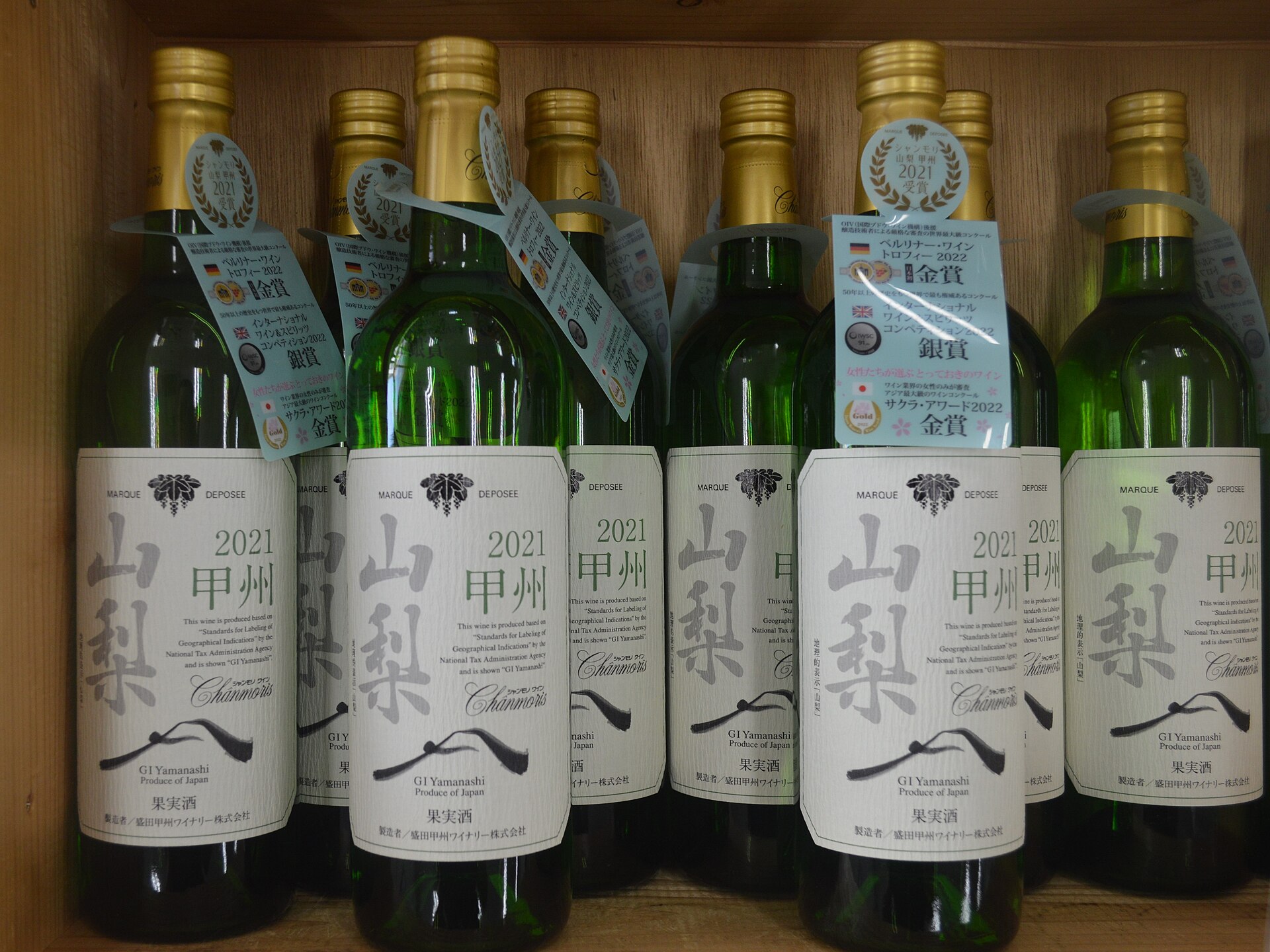
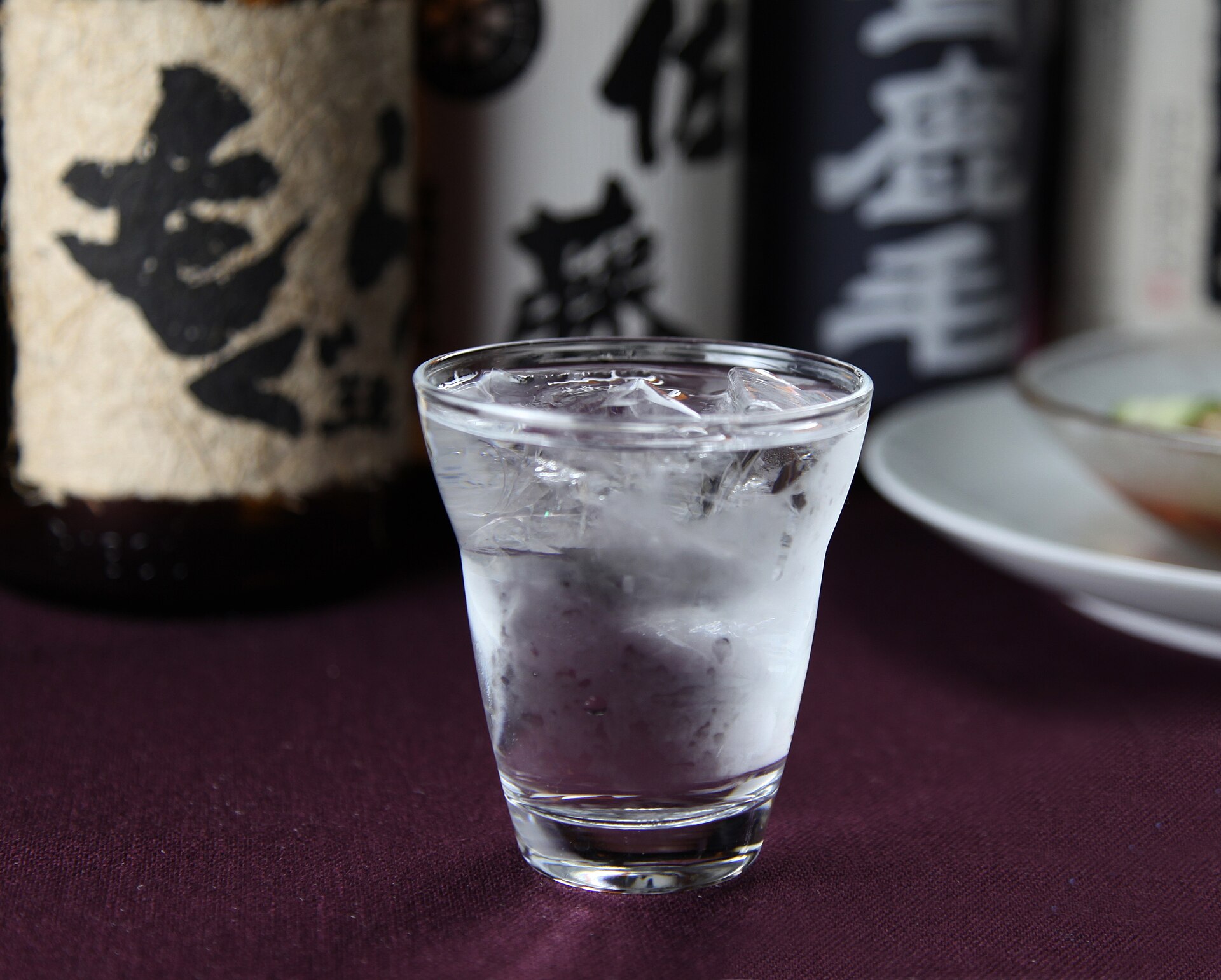
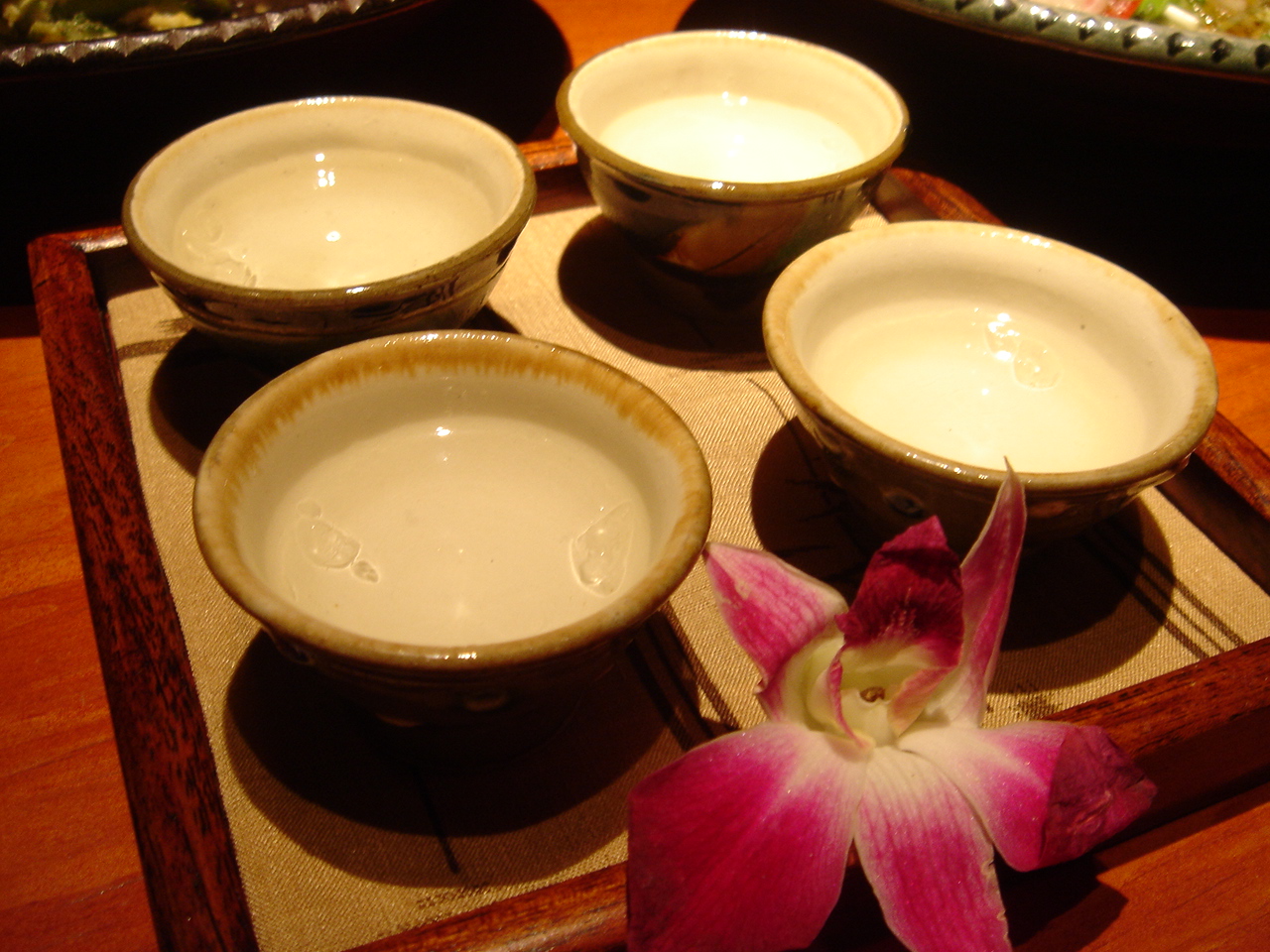
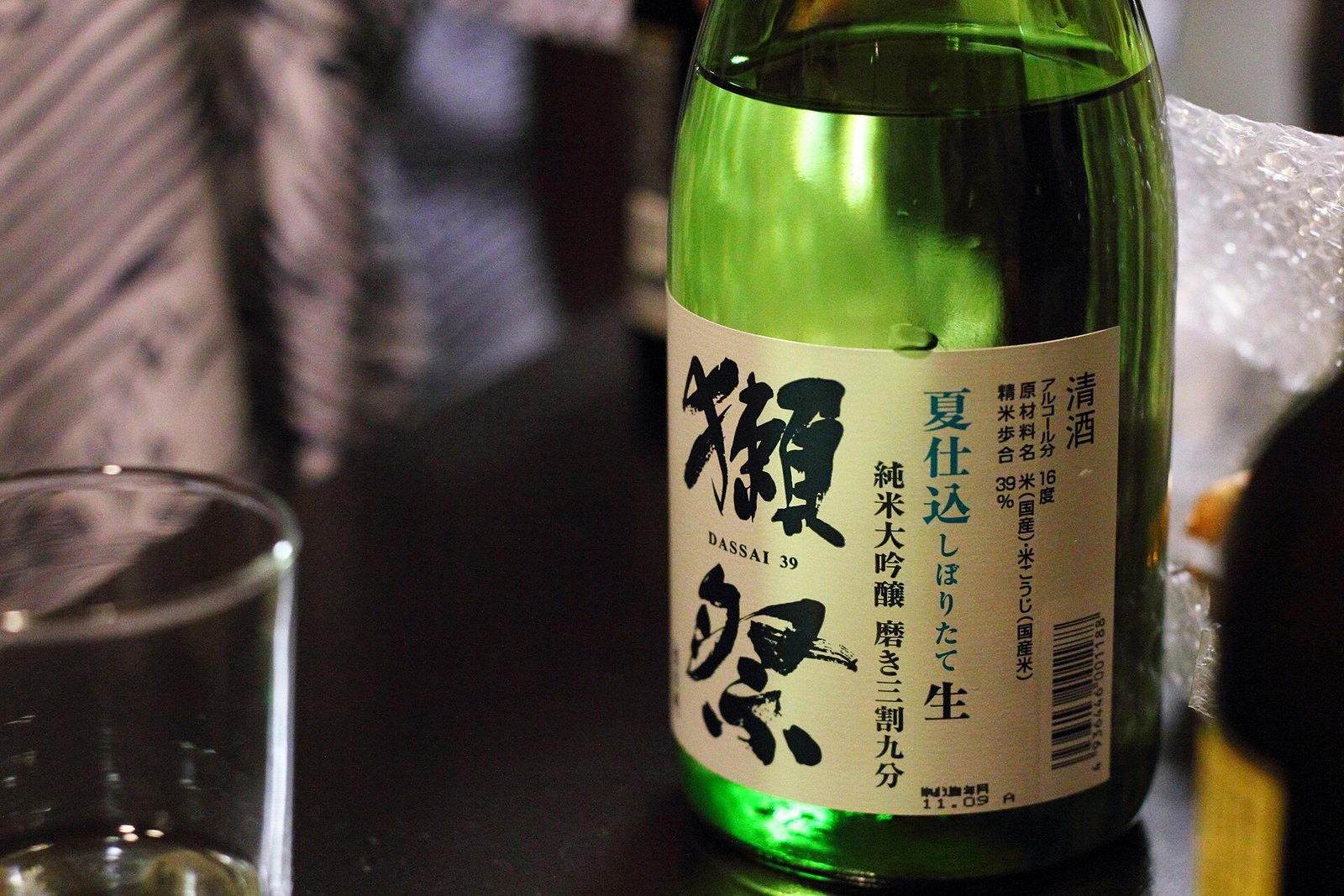
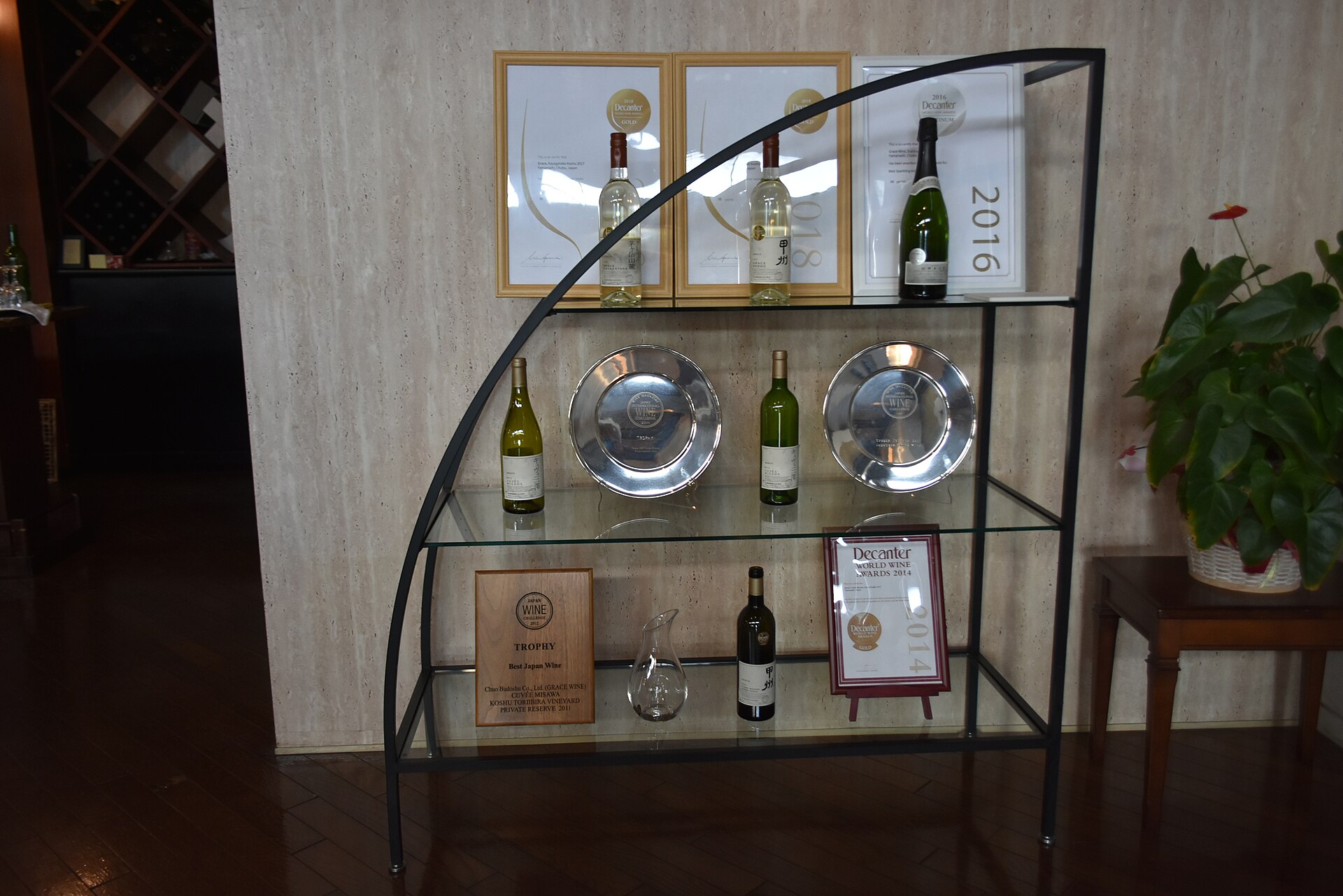
Each image links to a detail page.
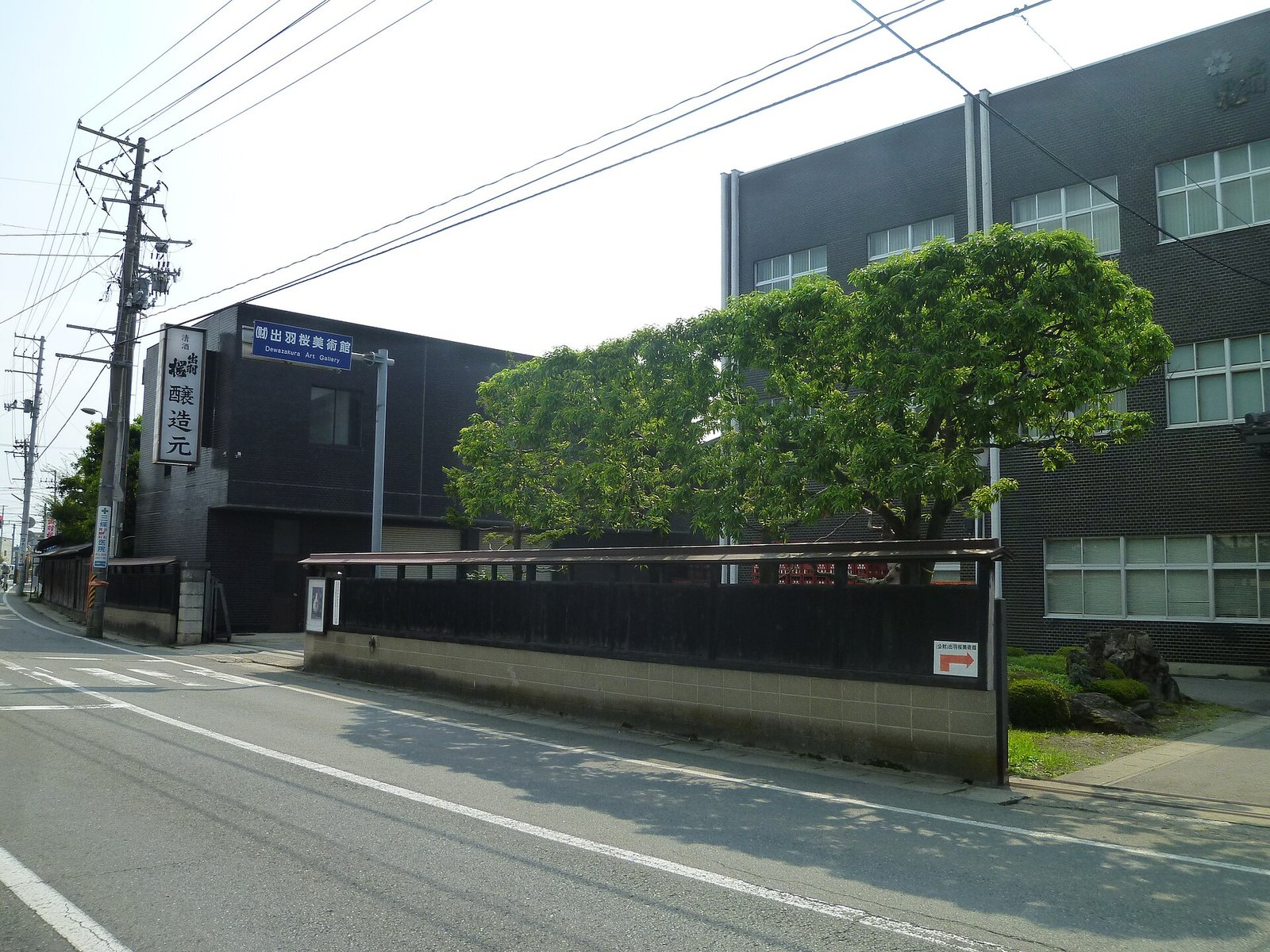
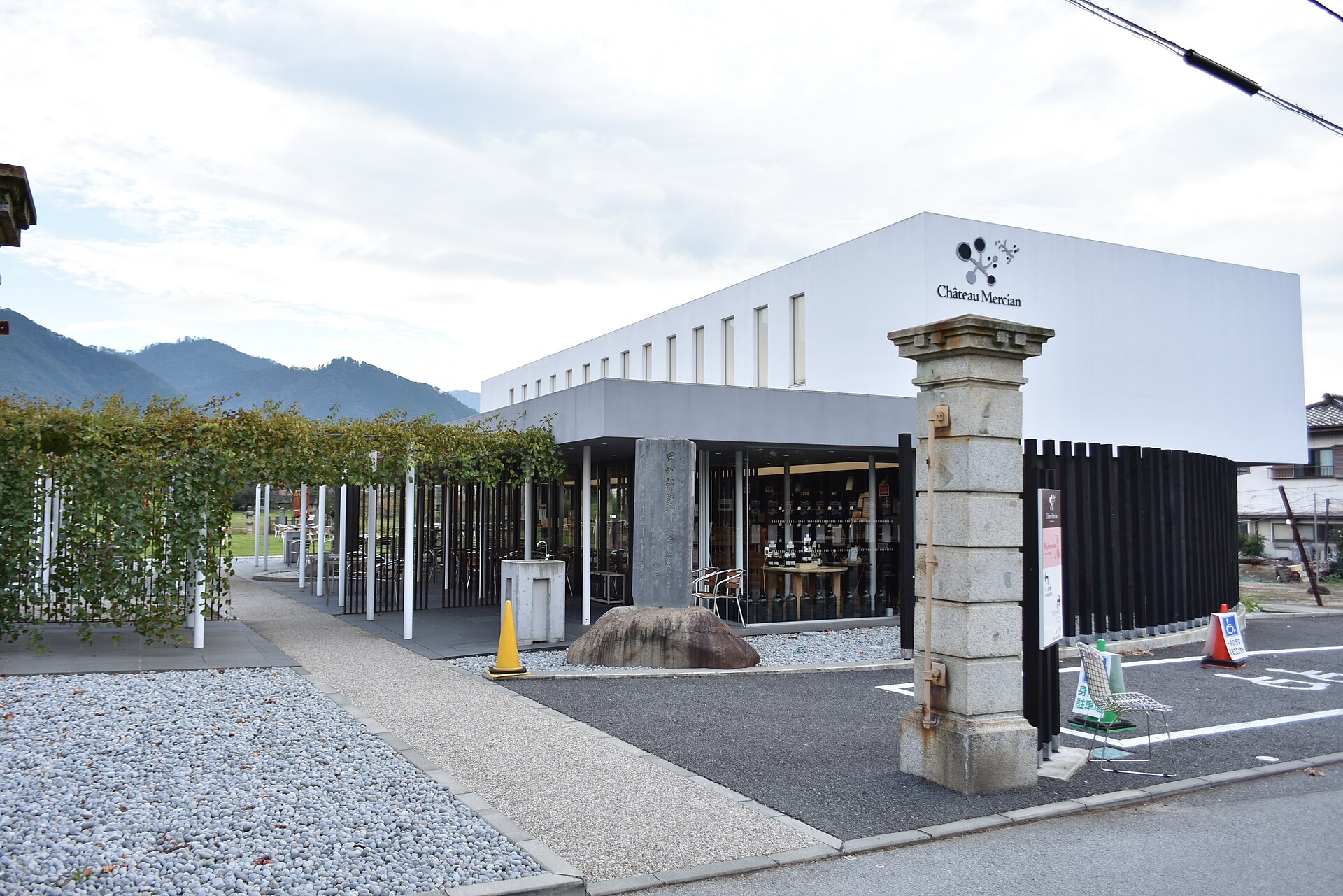
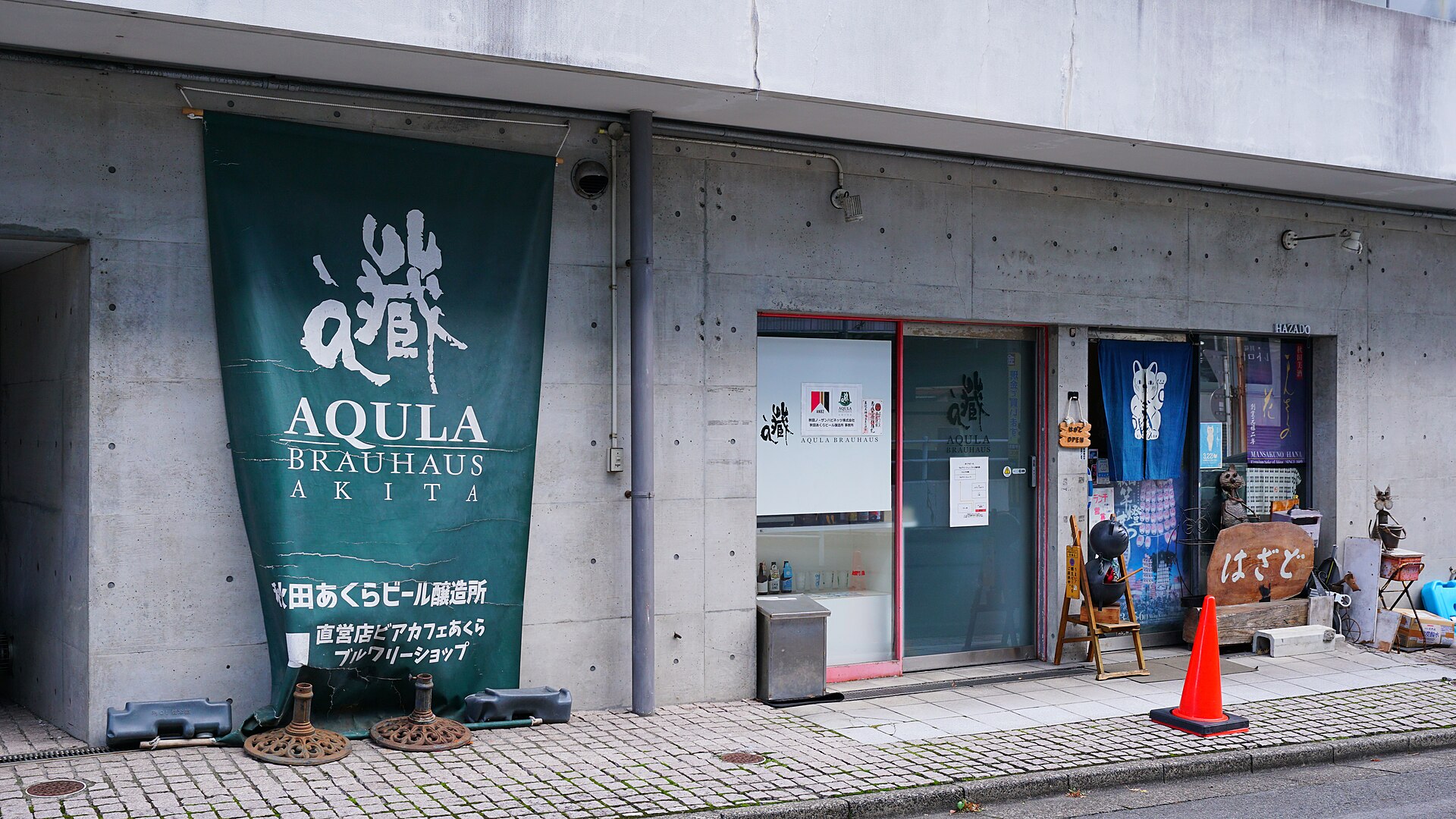
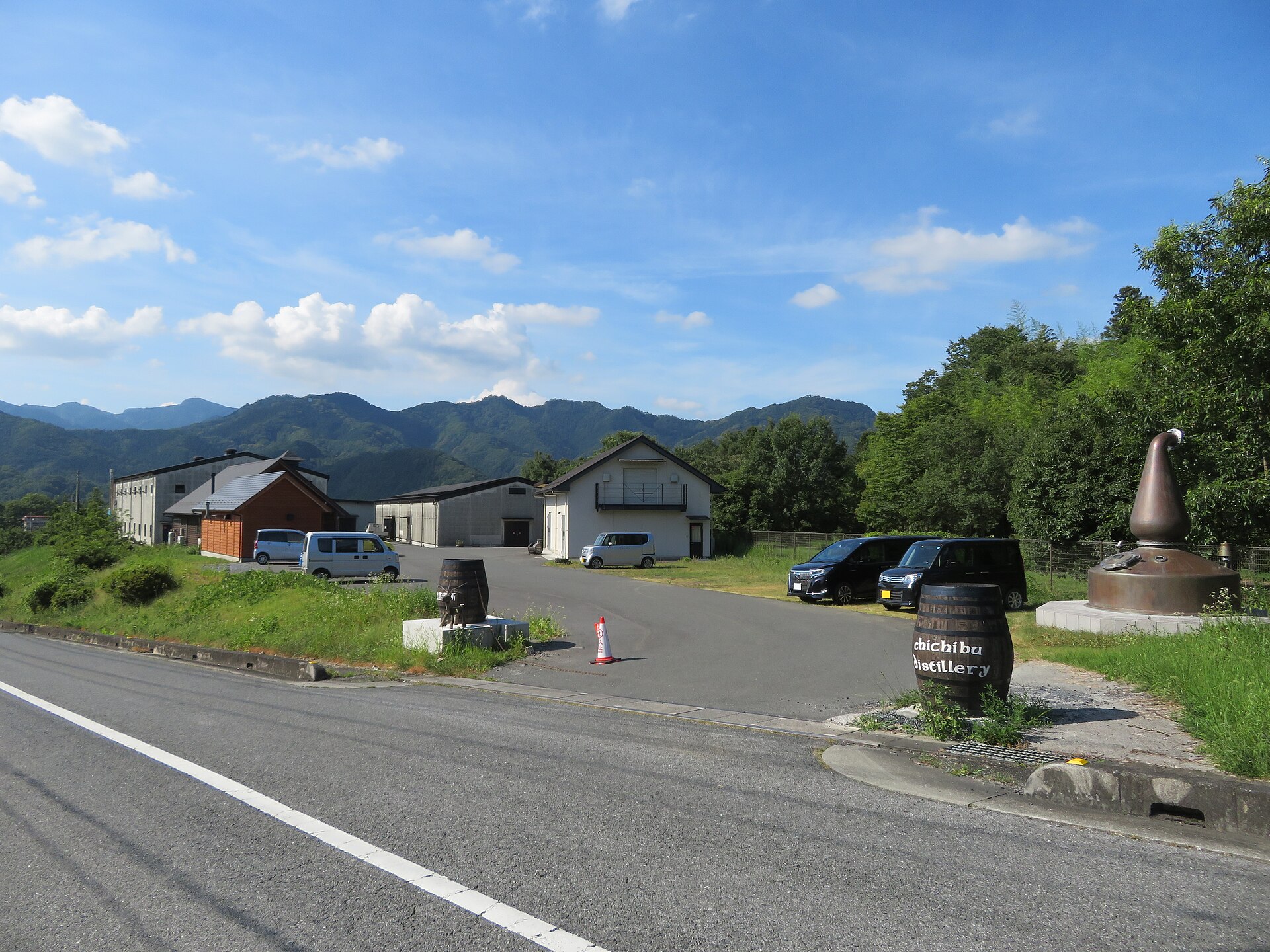
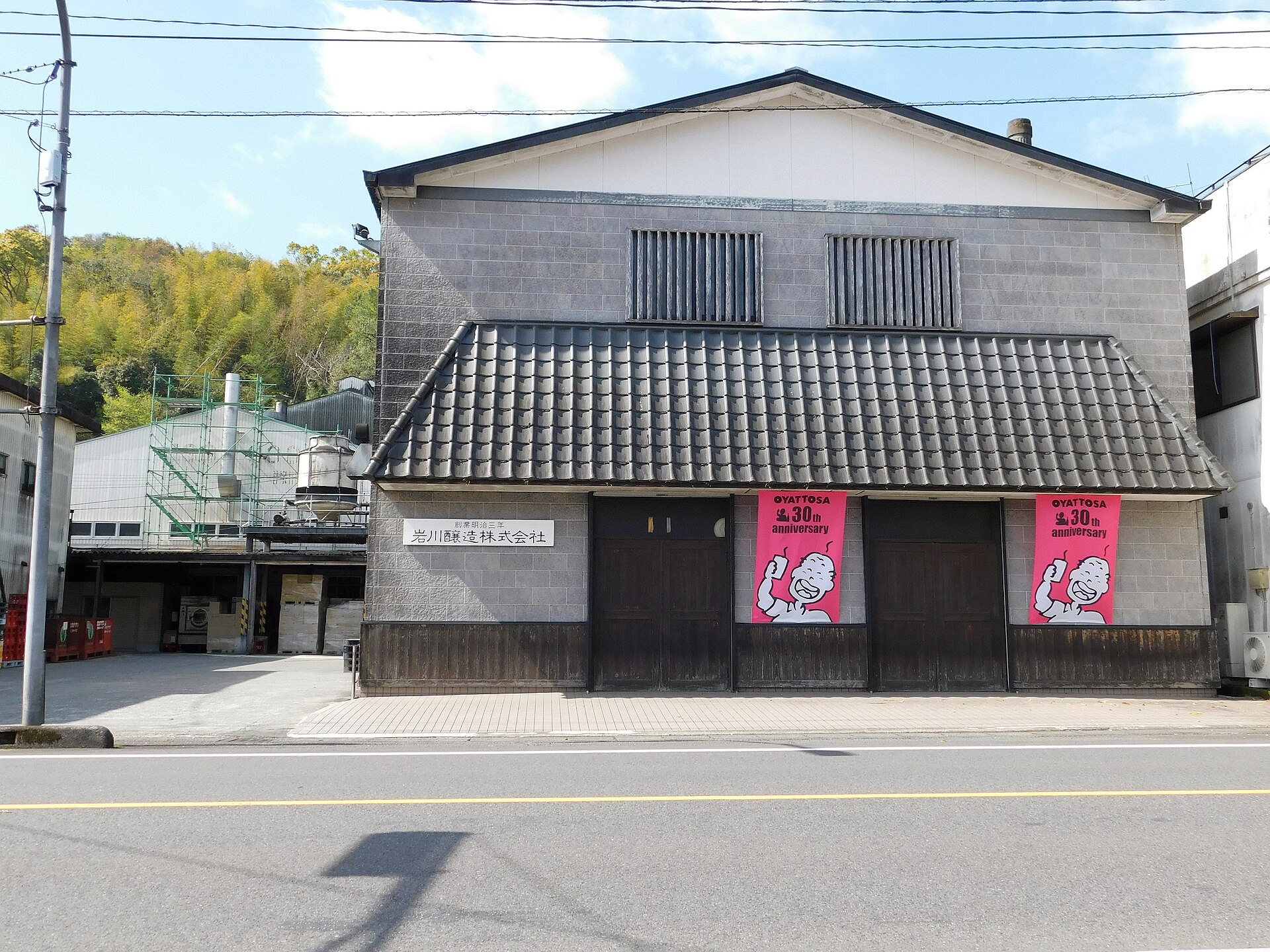
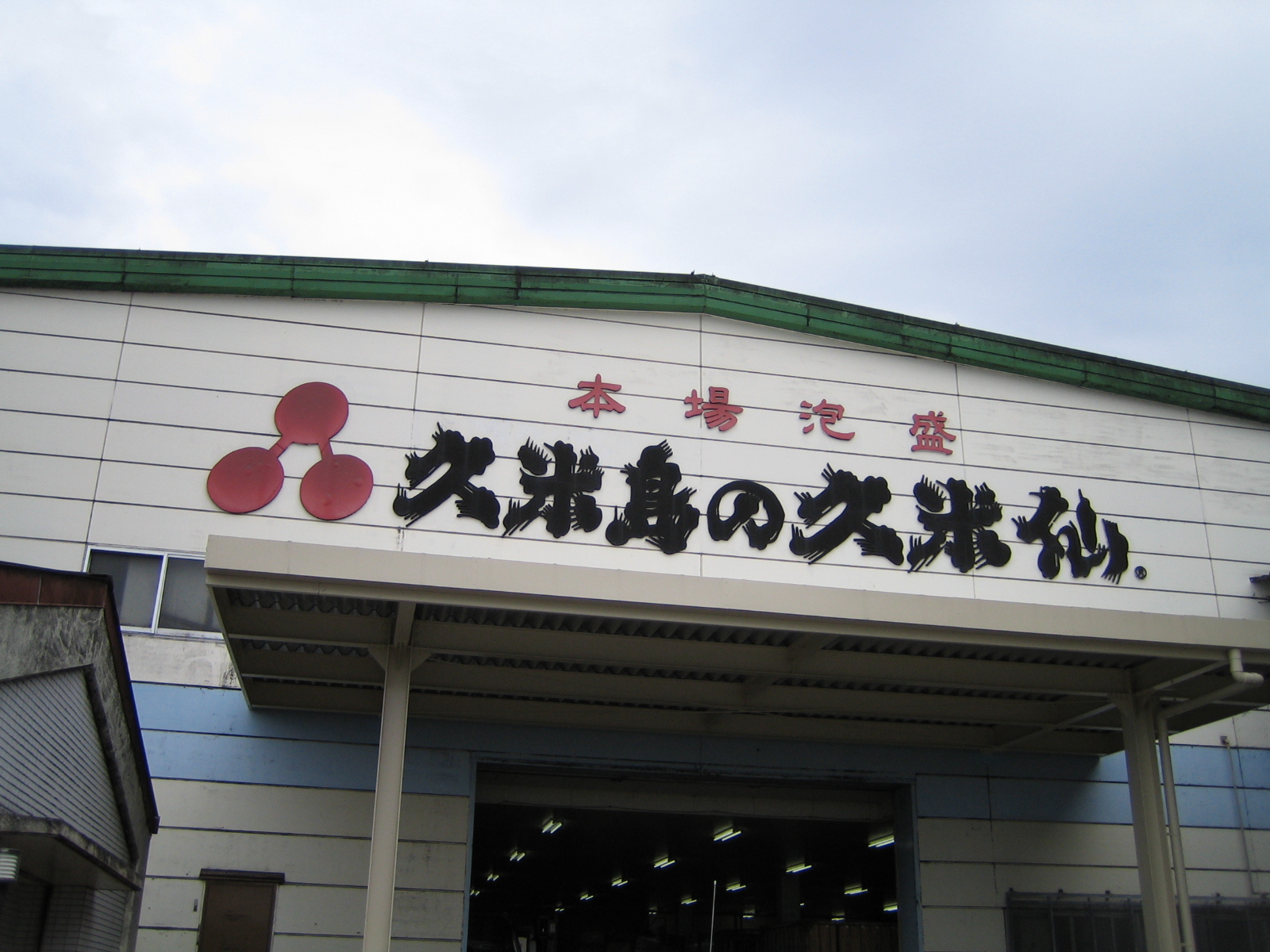
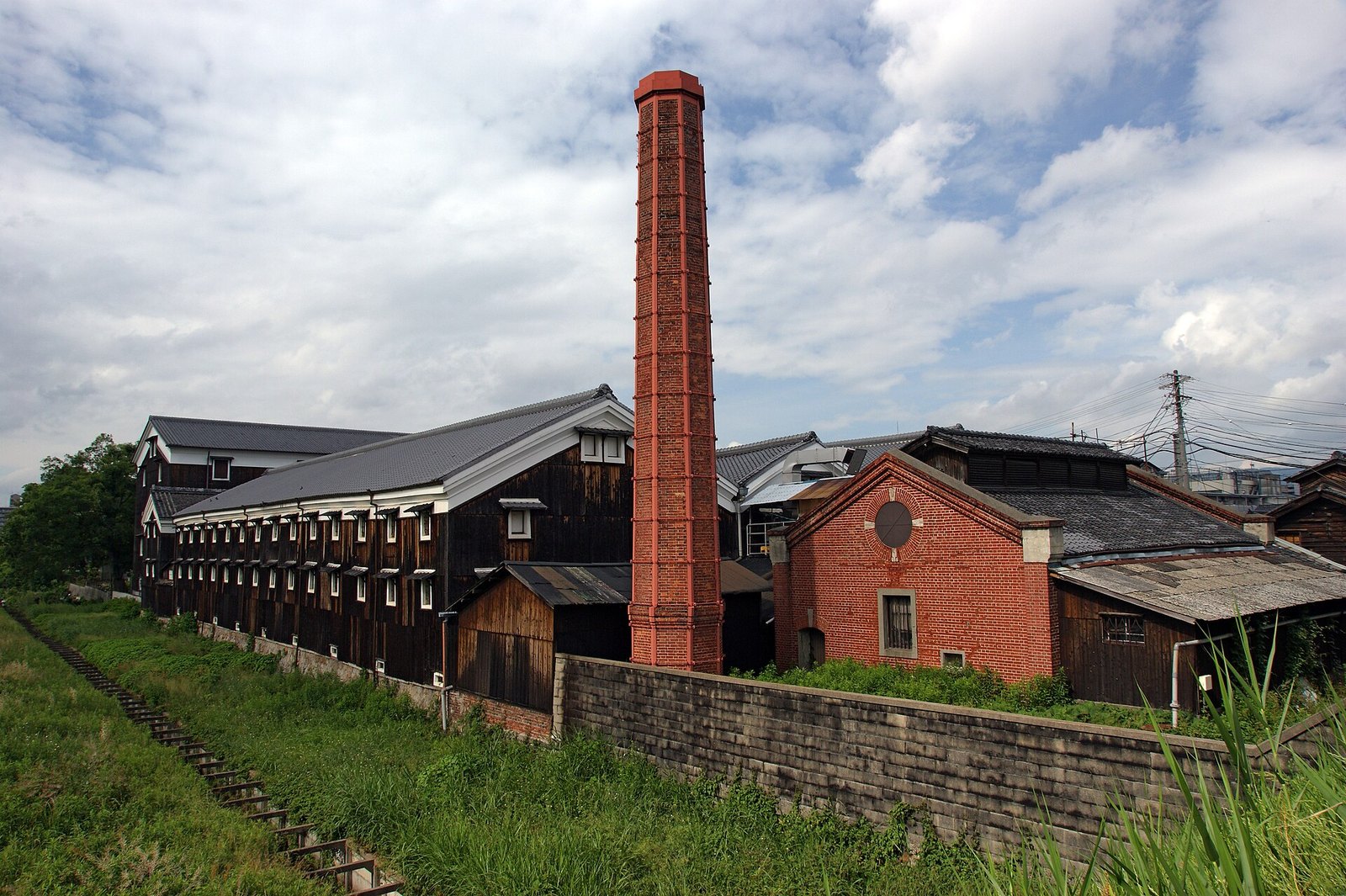
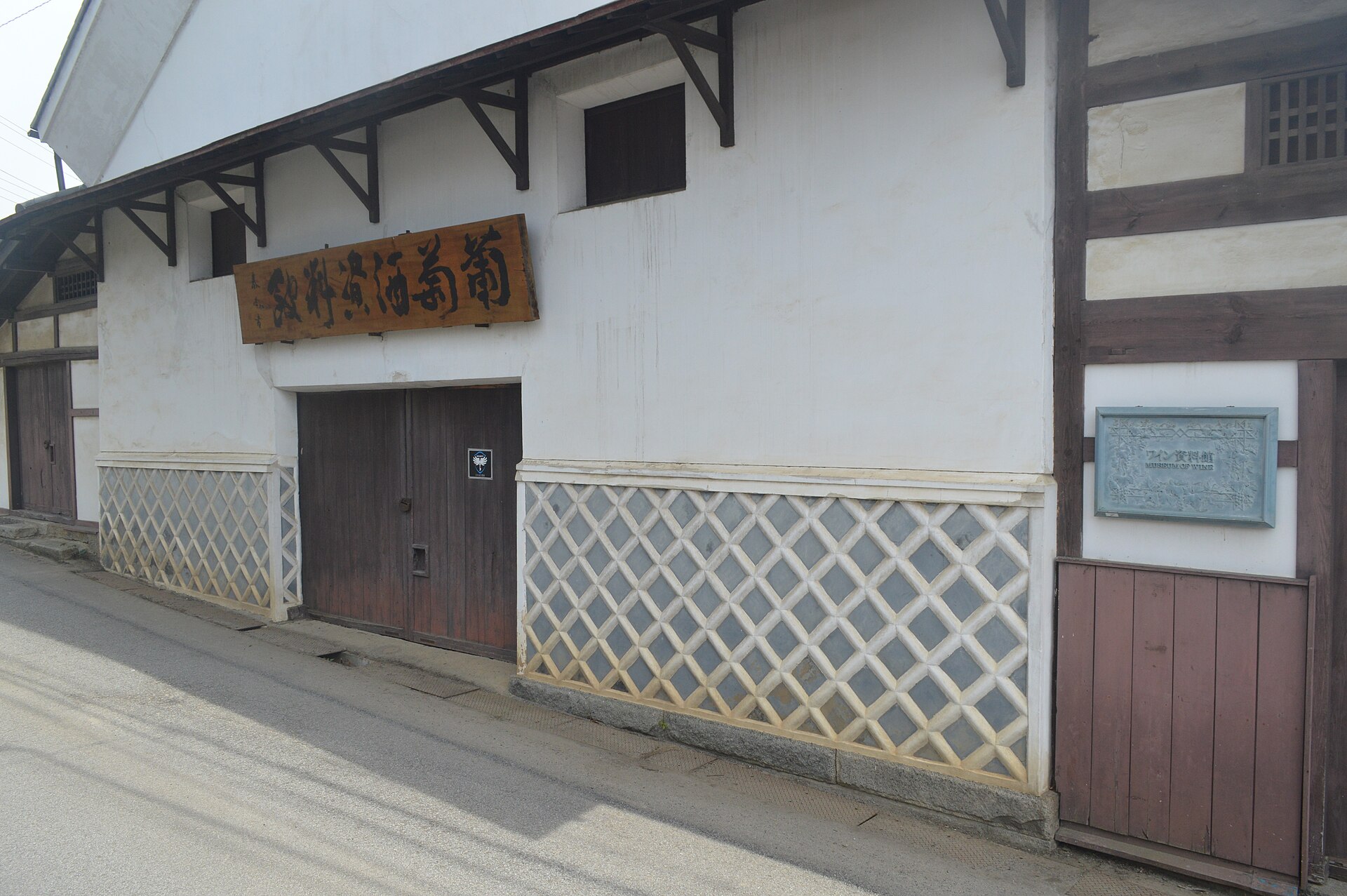
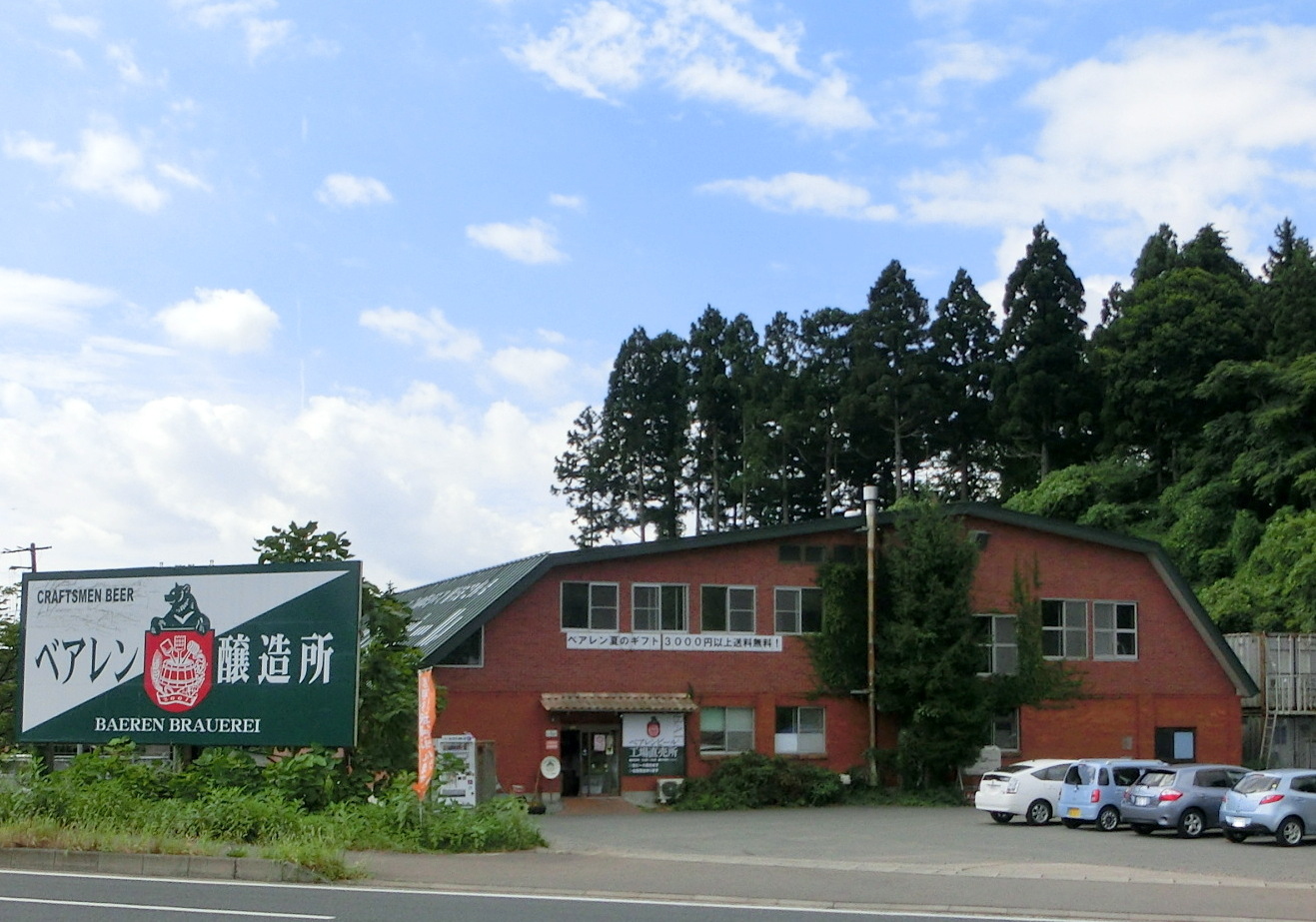
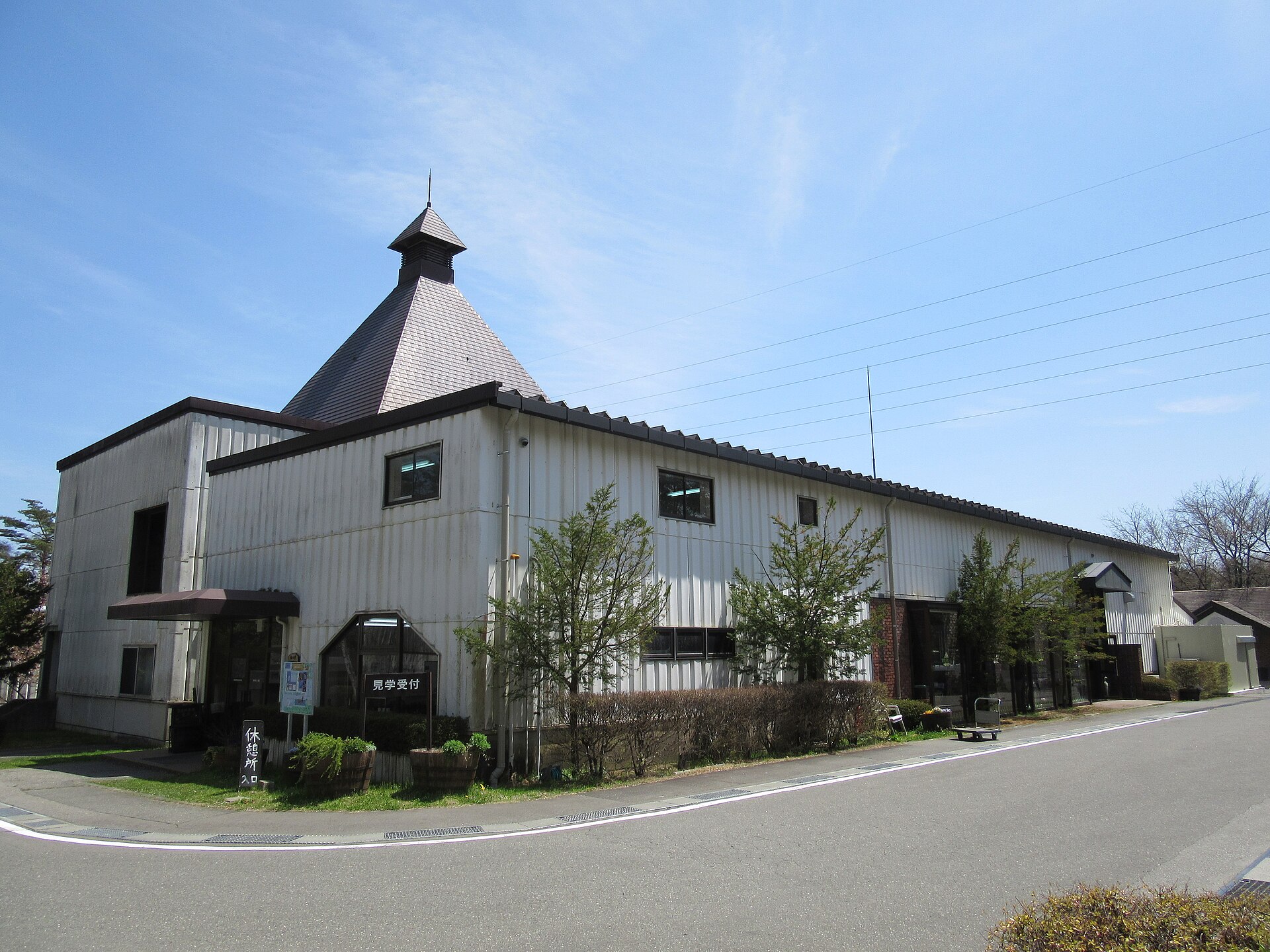
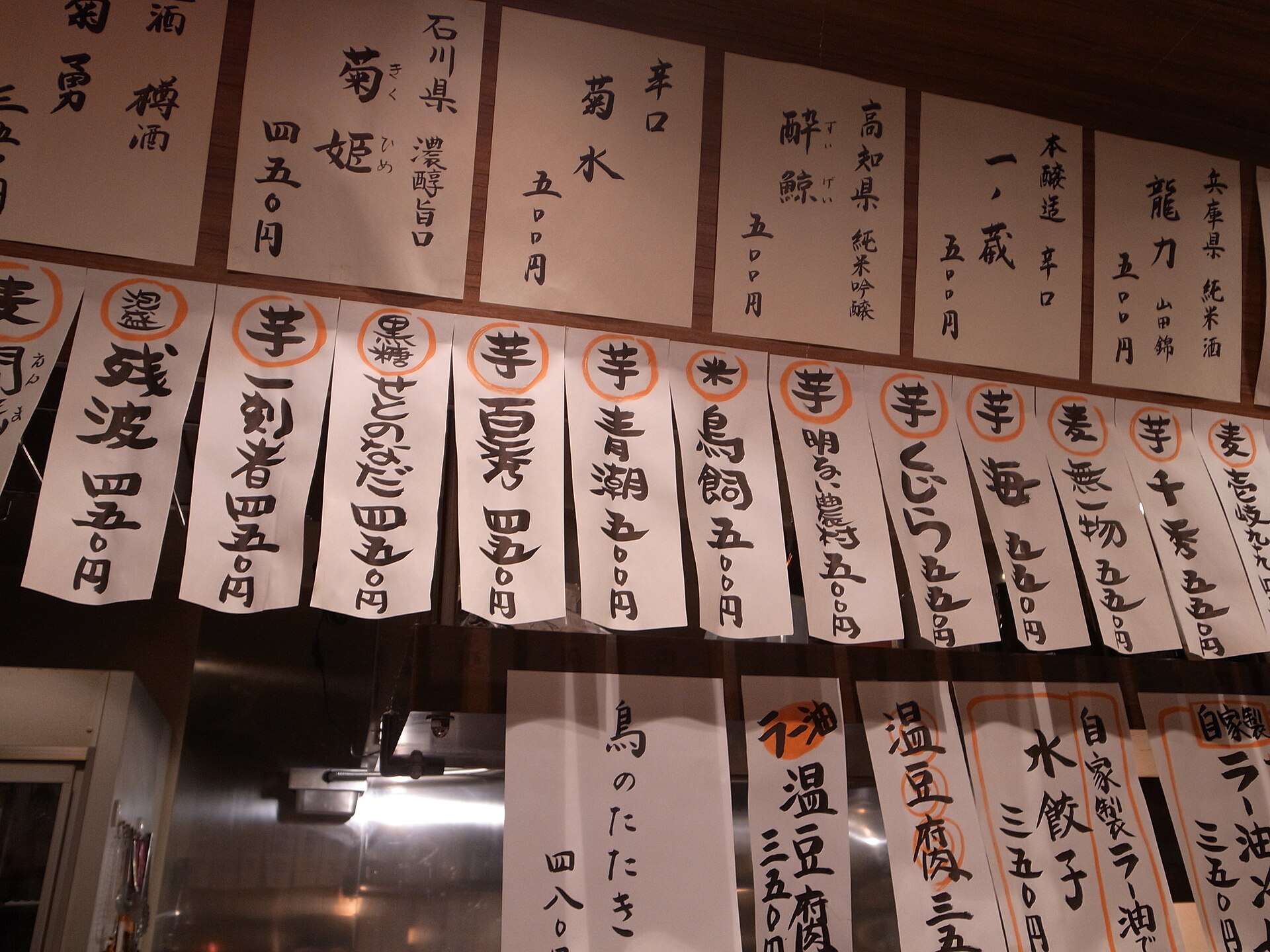
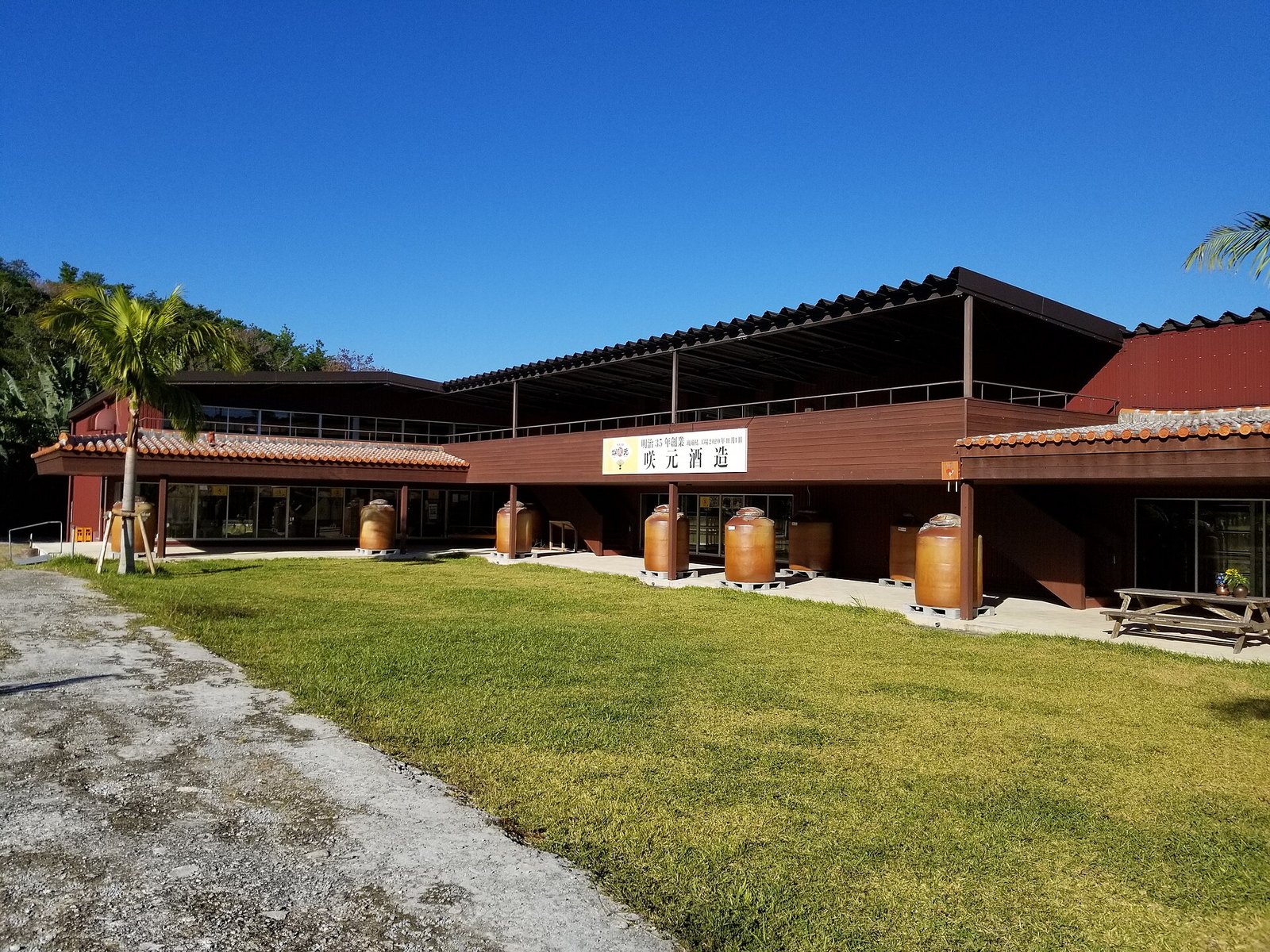
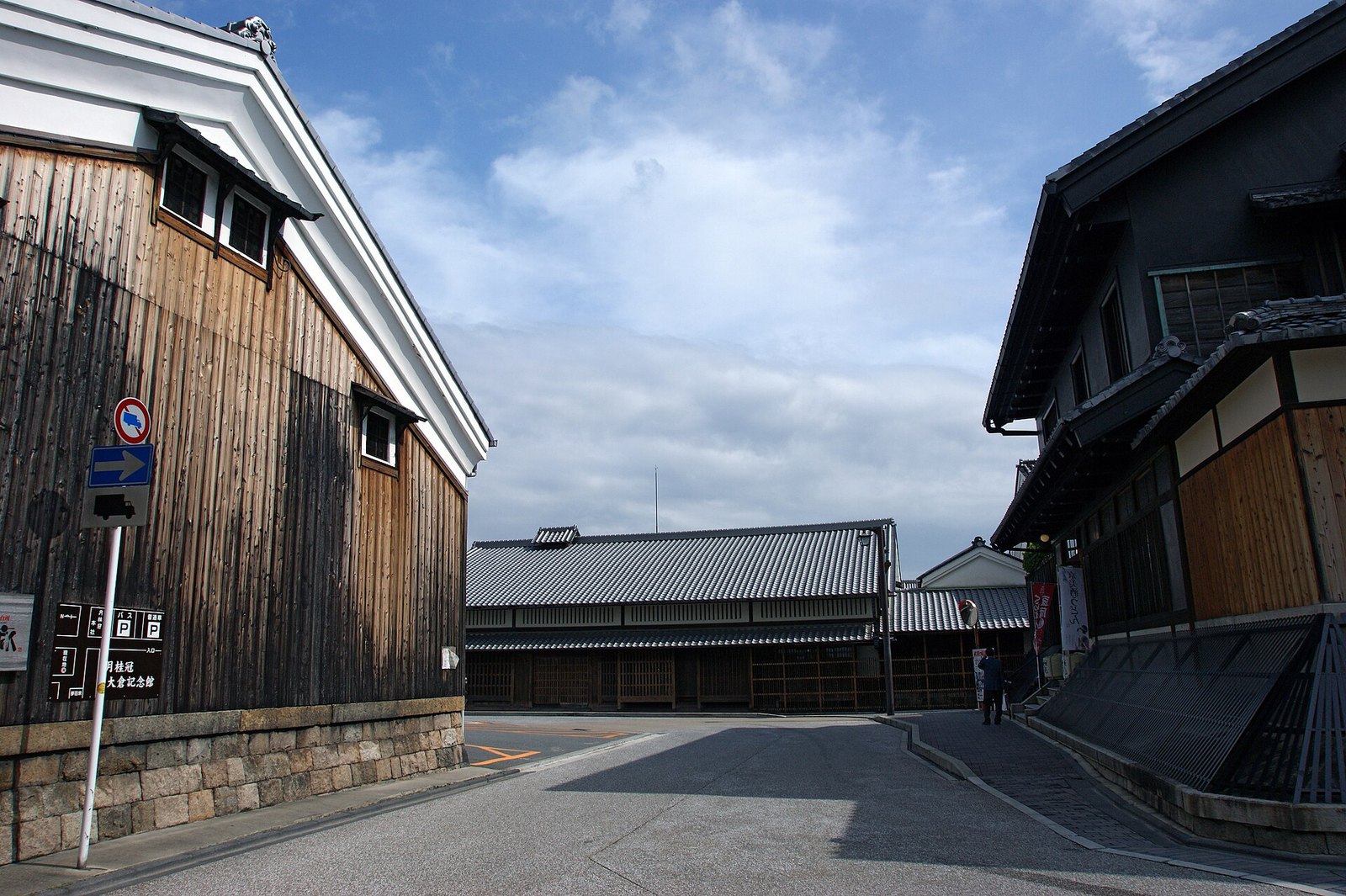
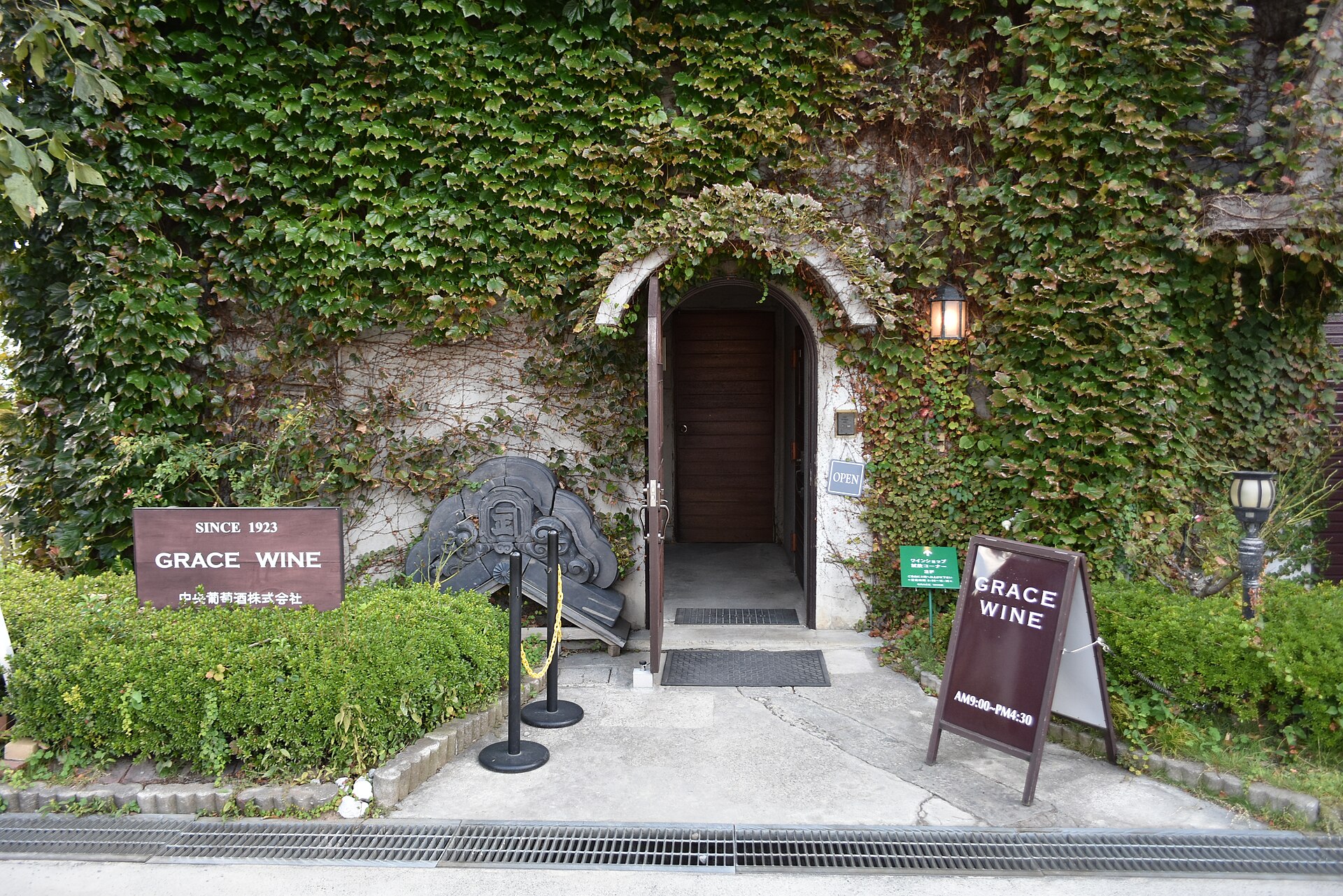
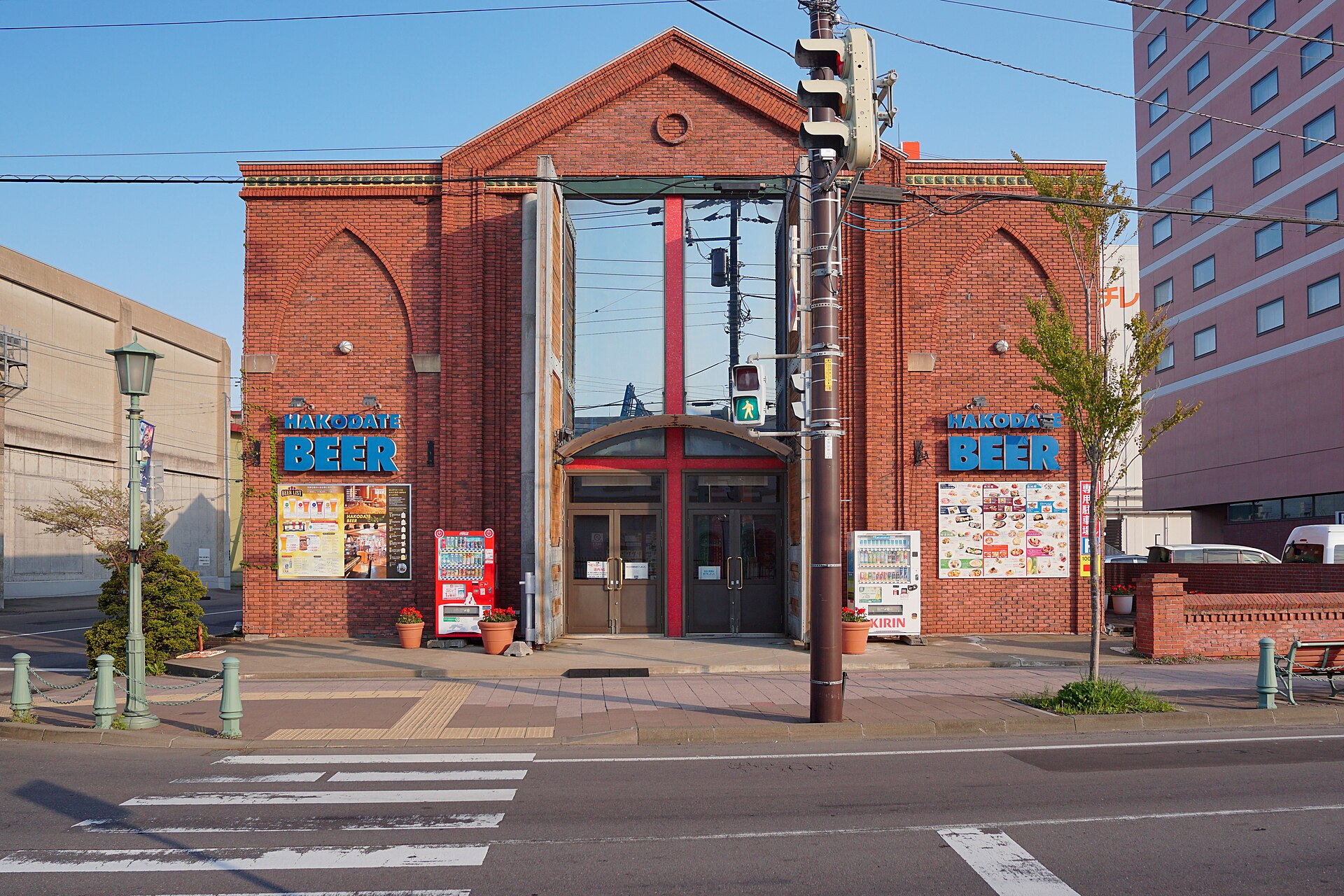
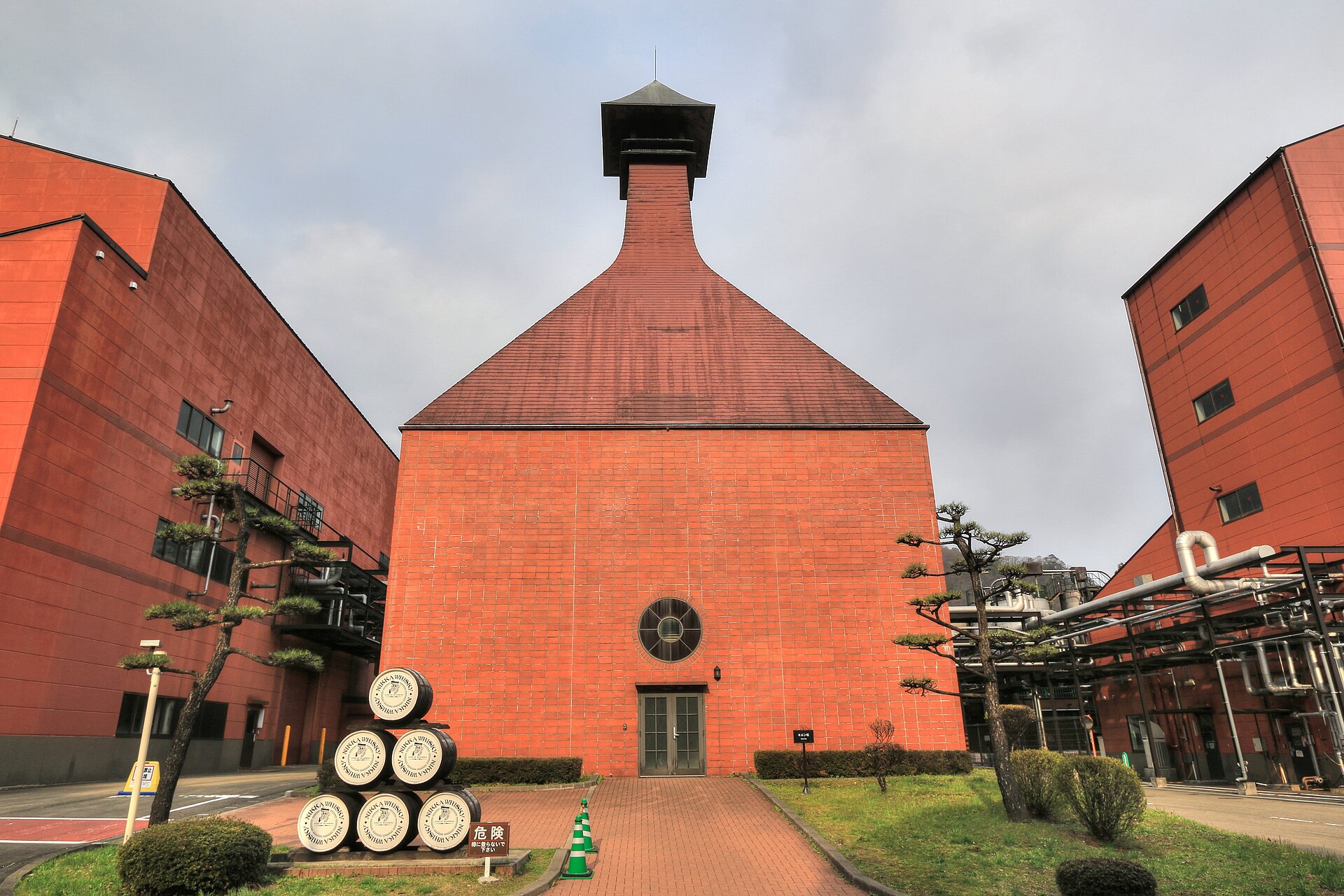
Each image links to a detail page.
06THE DRINKS OF JAPAN
Six drinks, six cultures. Brewed and distilled kept apart, each traced to its land and its craft.
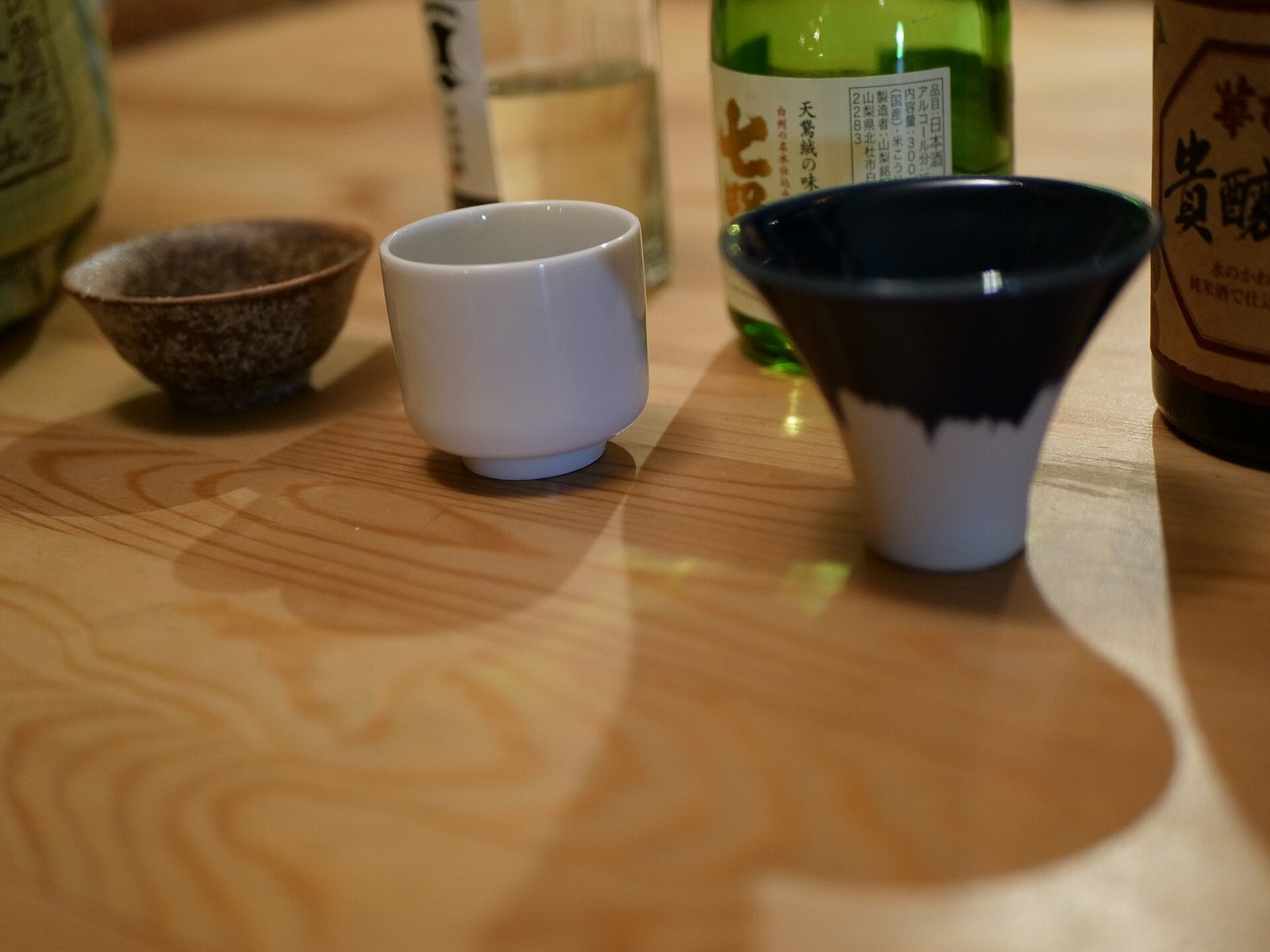
07SAKE — NIHONSHU
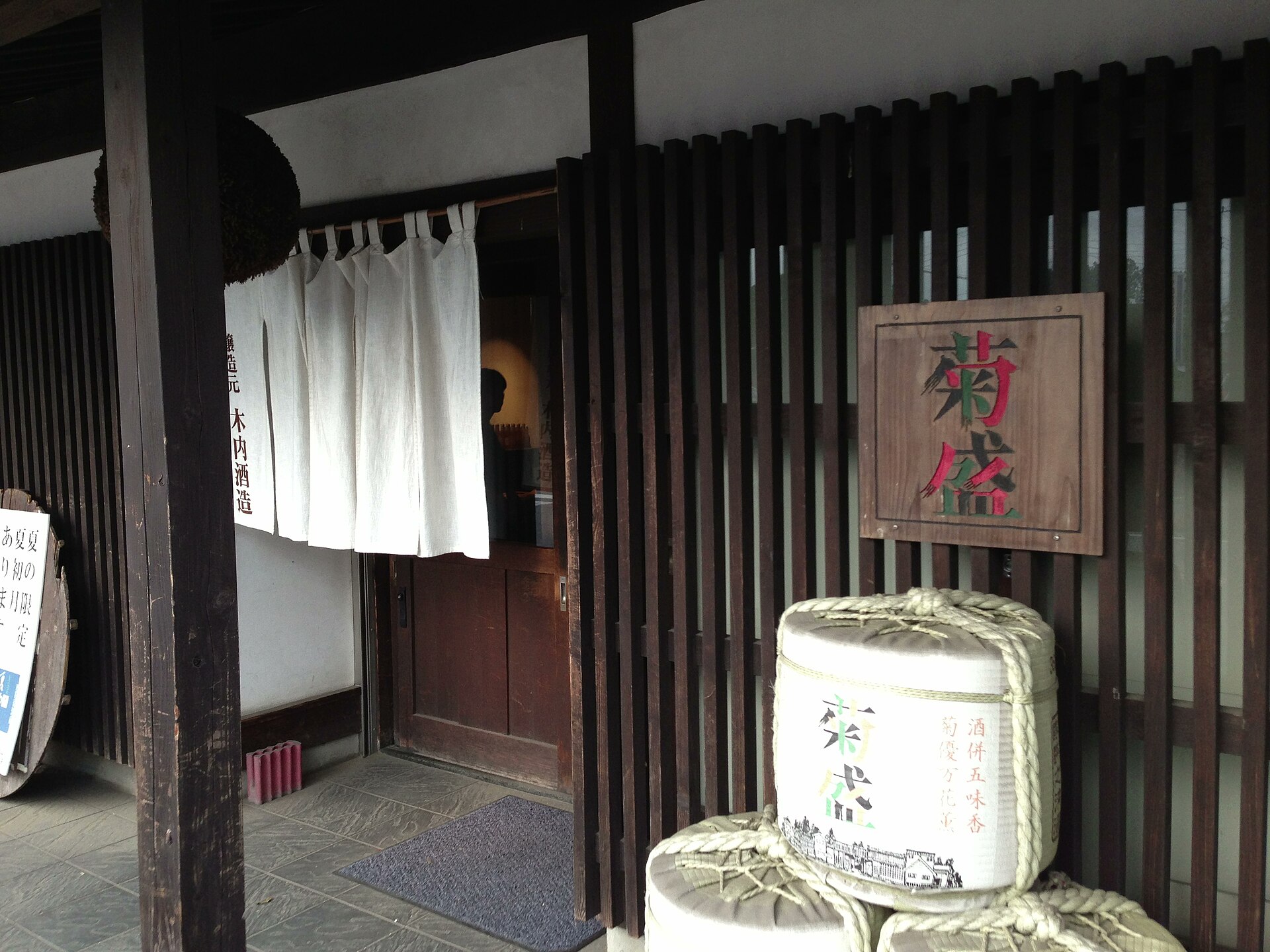
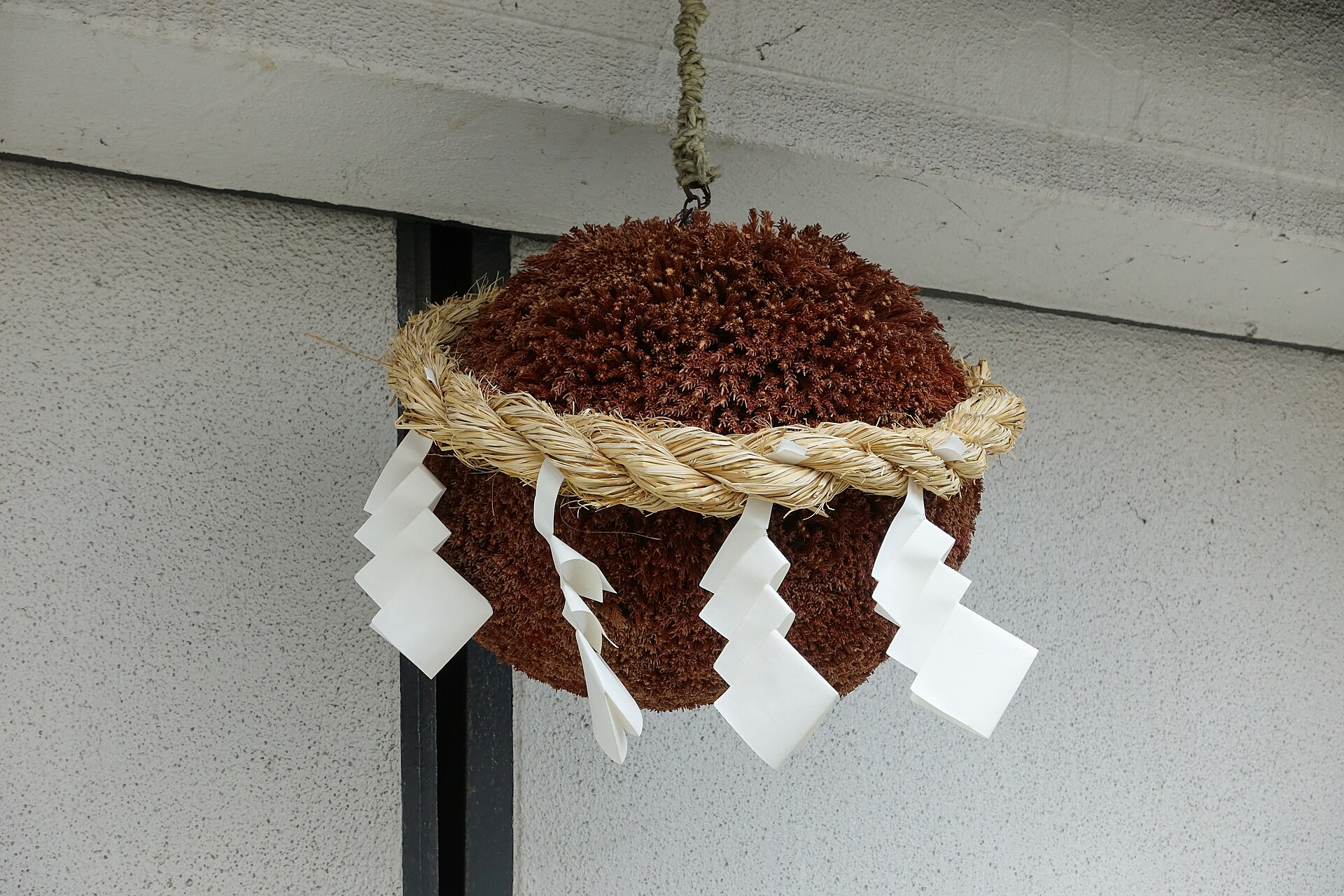
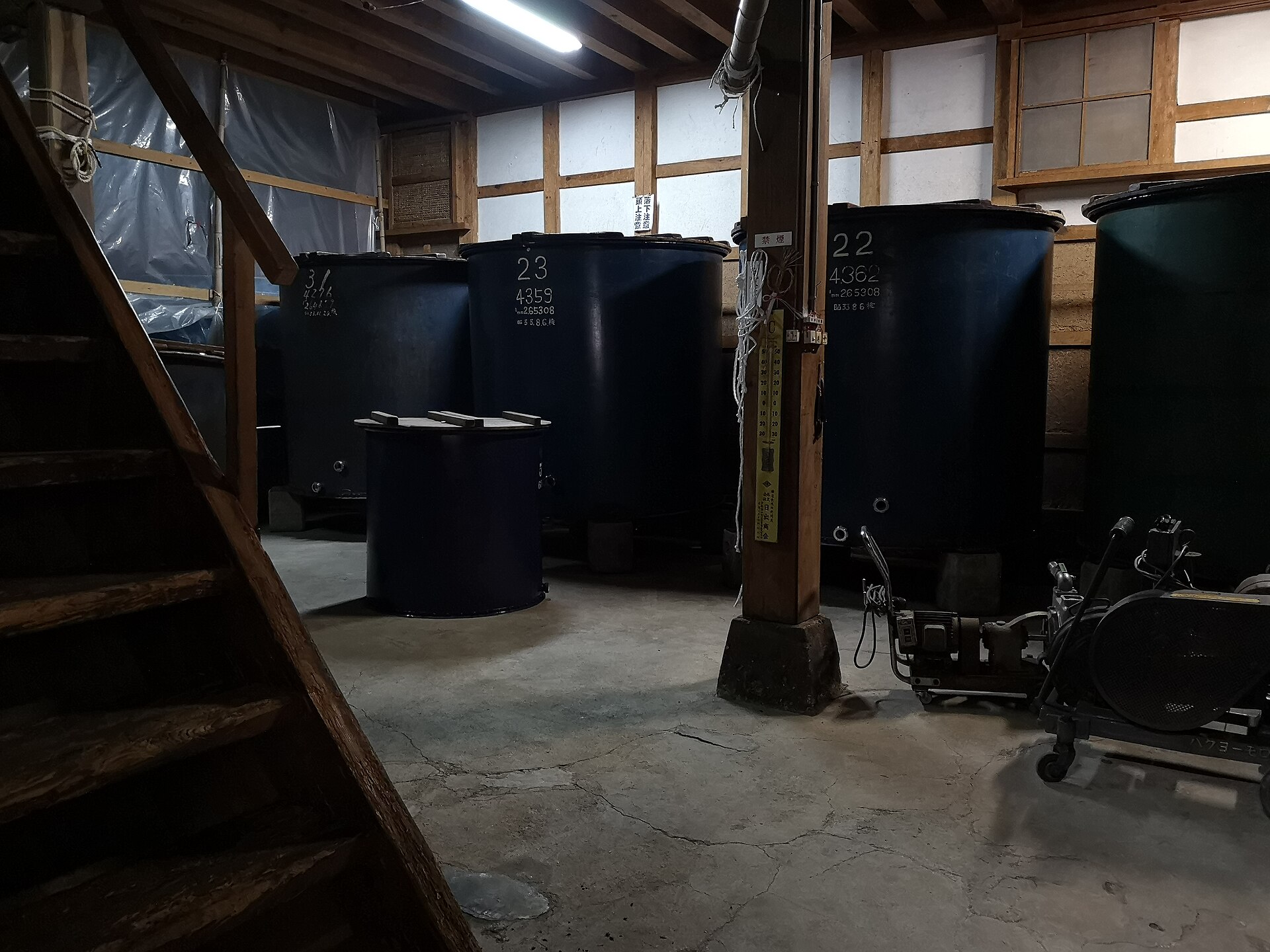
Sake (seishu) is a brewed drink made chiefly from rice, rice koji and water, fermented and then pressed. Koji turns the rice's starch into sugar while yeast turns that sugar into alcohol — both at once, in the same tank. This multiple parallel fermentation lies at the heart of sake brewing.
Which rice, polished how far; which water; which yeast. Each brewery's choices, and the skill of the toji and brewing team, give every sake its character.
SPECIAL DESIGNATIONS
The eight categories of the NTA's sake labeling standard. All require koji rice of at least 15%. Polishing ratio is the weight of polished rice relative to brown rice.
Source: National Tax Agency ↗| Designation | Ingredients | Polishing ratio | Note |
|---|---|---|---|
| Junmai Daiginjo純米大吟醸酒 | Rice, rice koji | ≤ 50% | Ginjo-style brewing |
| Daiginjo大吟醸酒 | Rice, rice koji, distilled alcohol | ≤ 50% | Ginjo-style brewing |
| Junmai Ginjo純米吟醸酒 | Rice, rice koji | ≤ 60% | Ginjo-style brewing |
| Ginjo吟醸酒 | Rice, rice koji, distilled alcohol | ≤ 60% | Ginjo-style brewing |
| Tokubetsu Junmai特別純米酒 | Rice, rice koji | ≤ 60% or a special method | |
| Junmai純米酒 | Rice, rice koji | No requirement | |
| Tokubetsu Honjozo特別本醸造酒 | Rice, rice koji, distilled alcohol | ≤ 60% or a special method | |
| Honjozo本醸造酒 | Rice, rice koji, distilled alcohol | ≤ 70% |
PRODUCERS ON RECORD
Sake — View all →08 — JAPANESE WINE · NIHON WINE
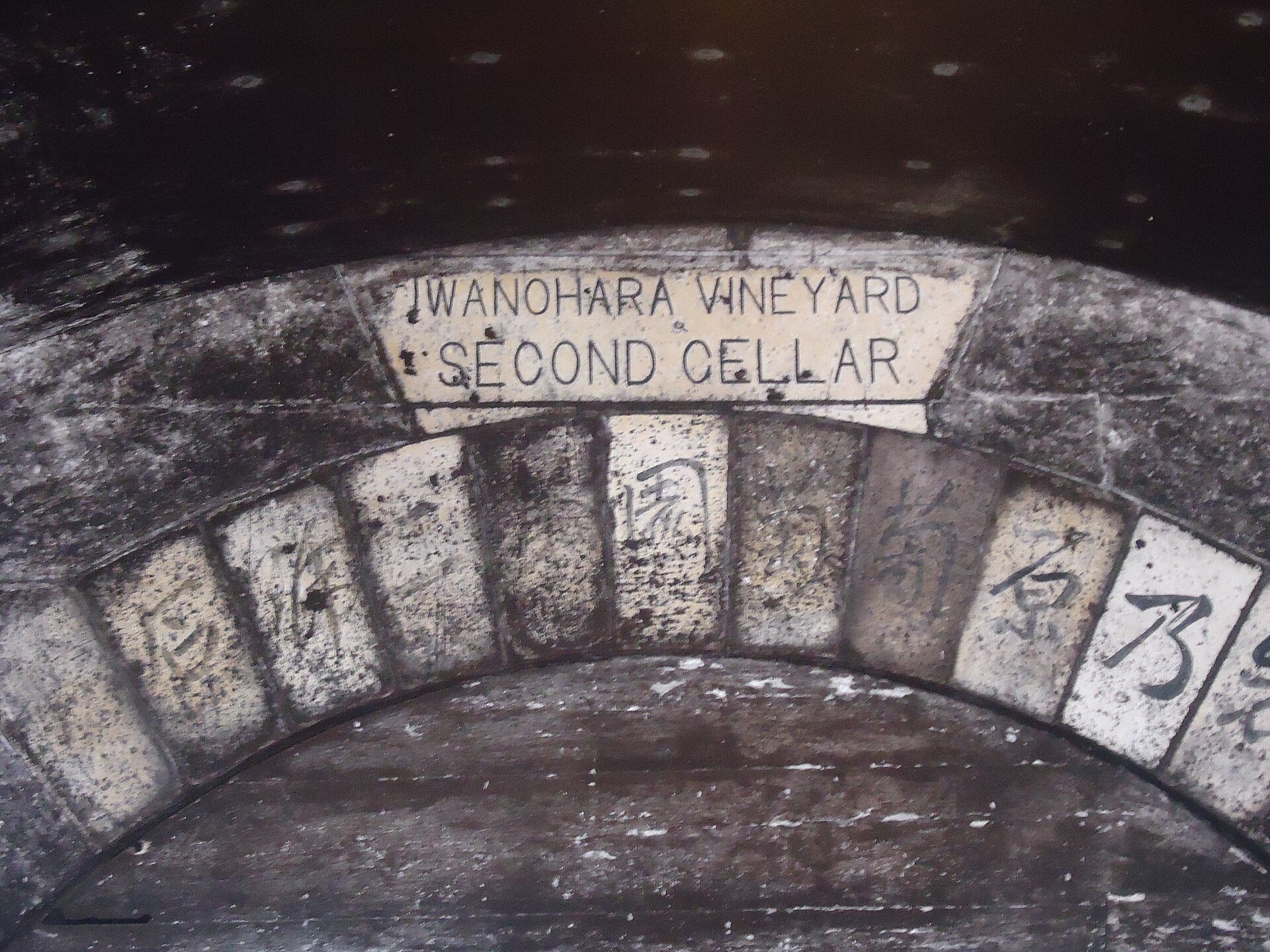
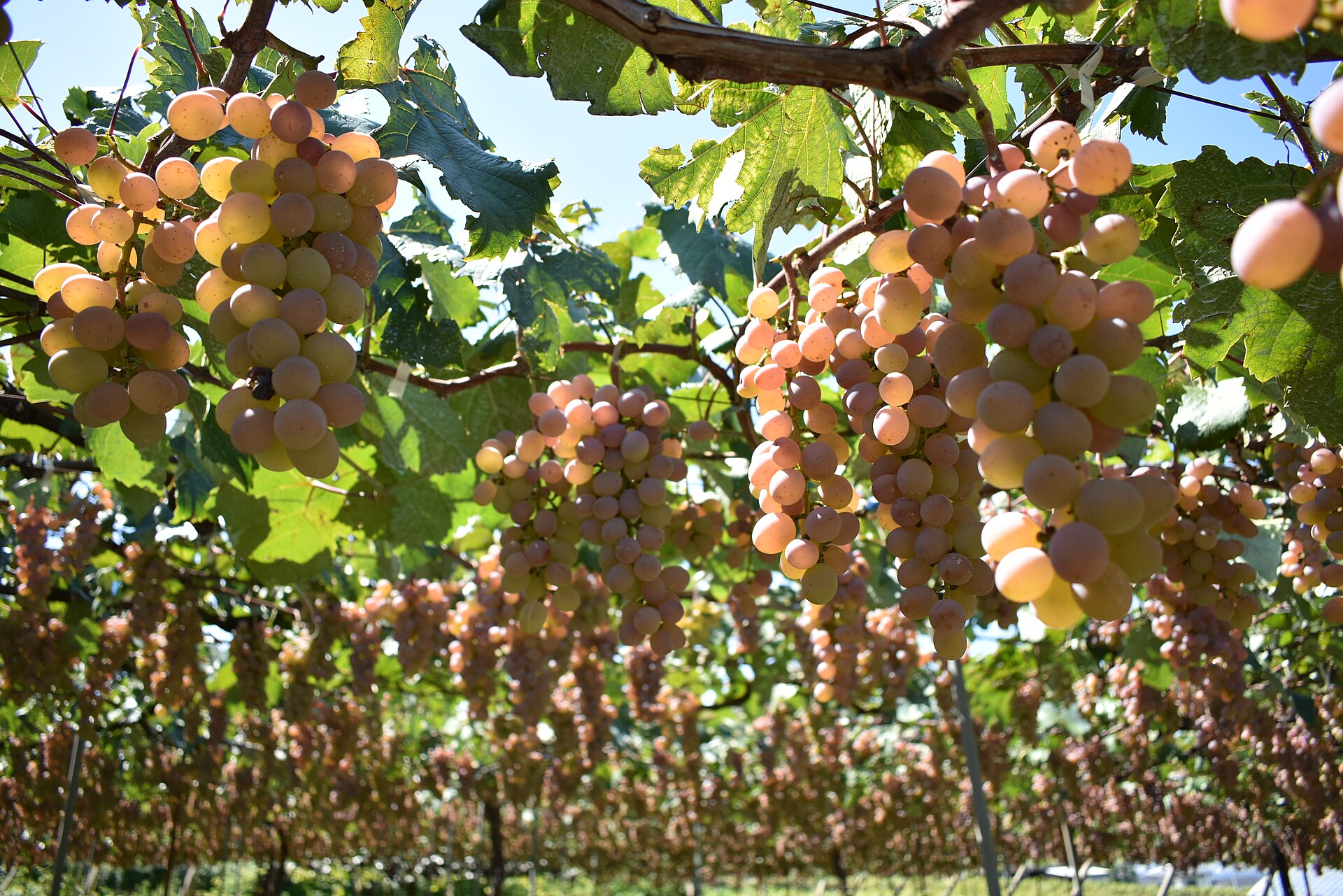
KATSUNUMA · KOSHU, YAMANASHI
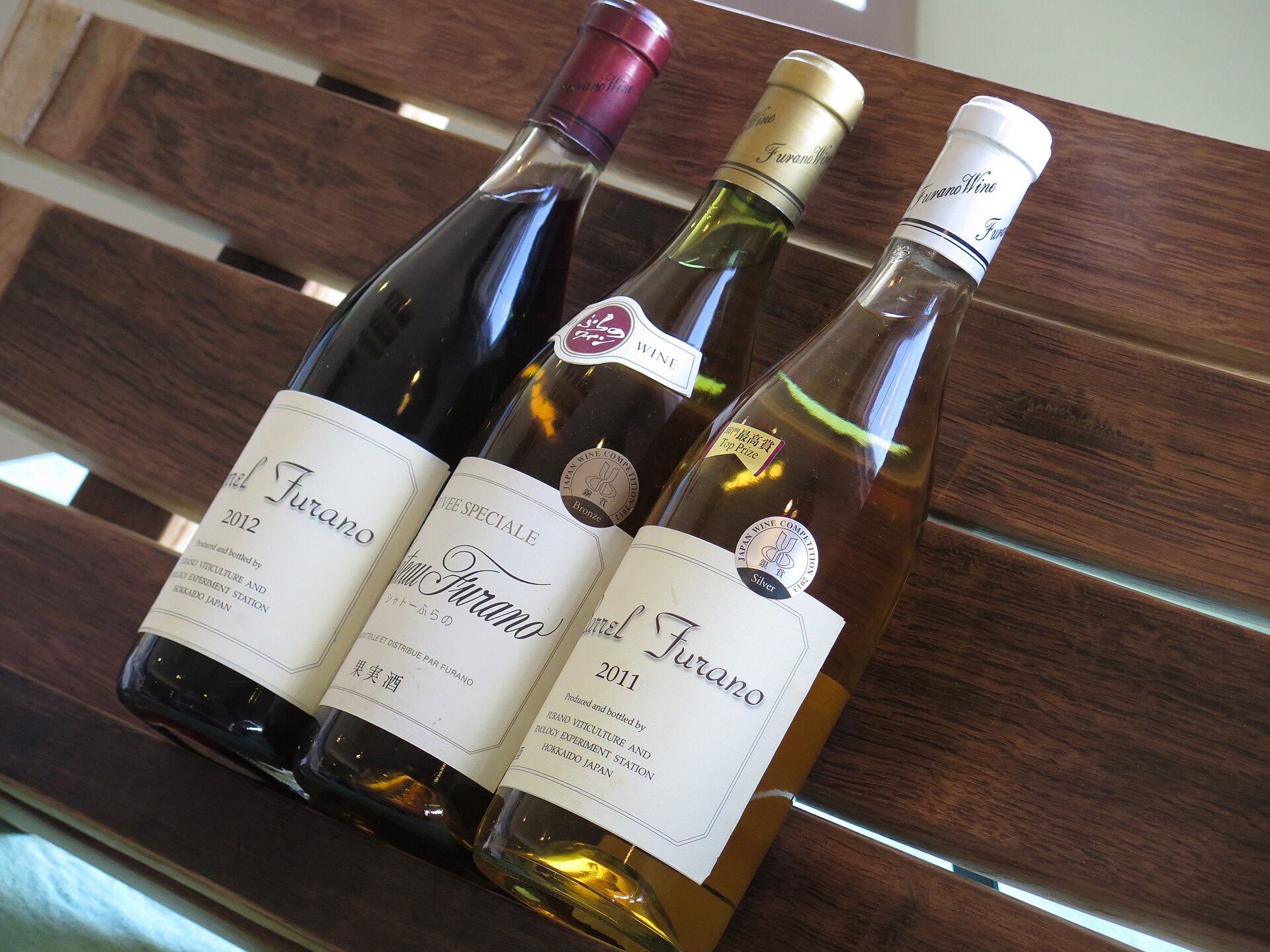
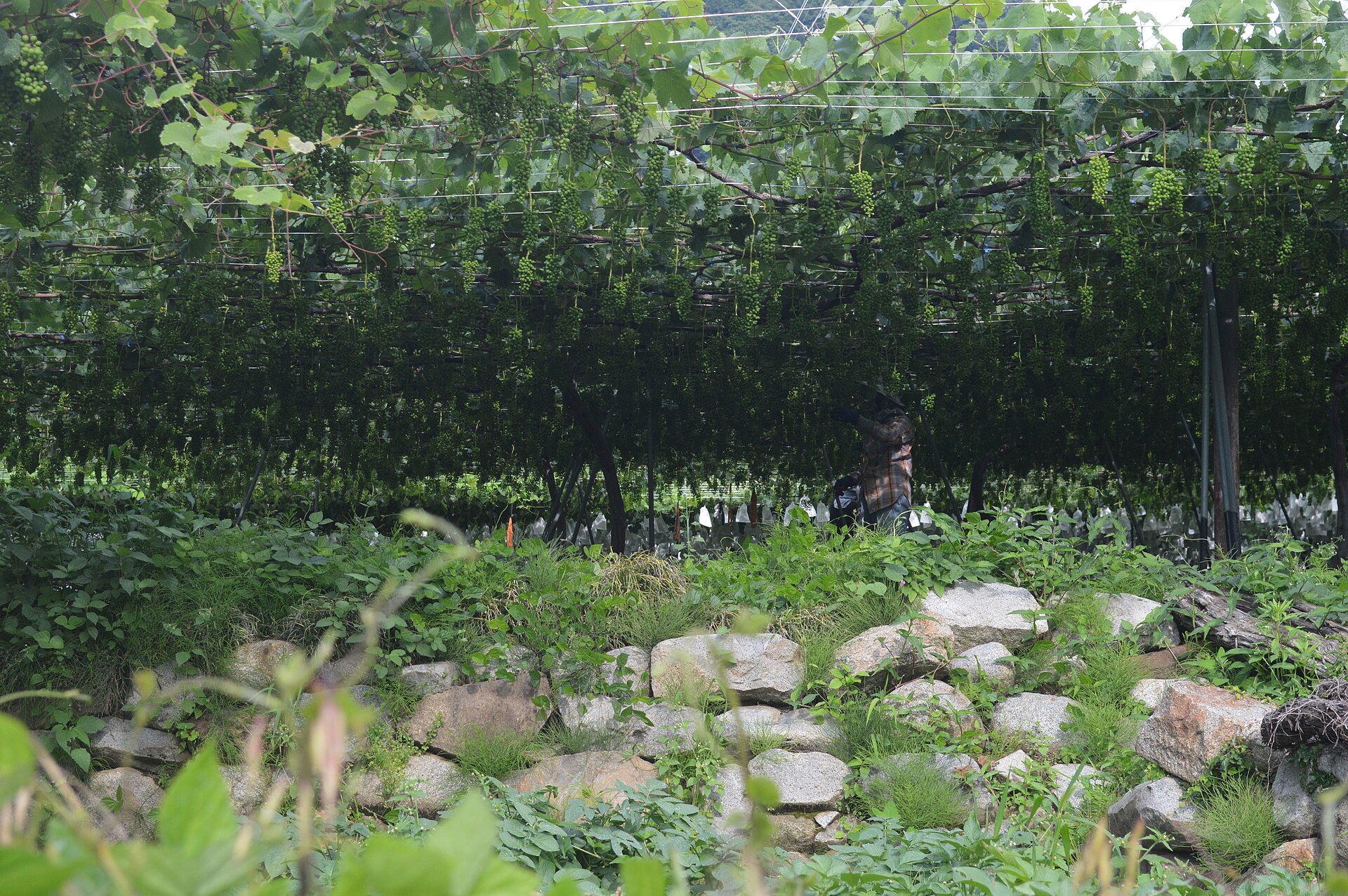
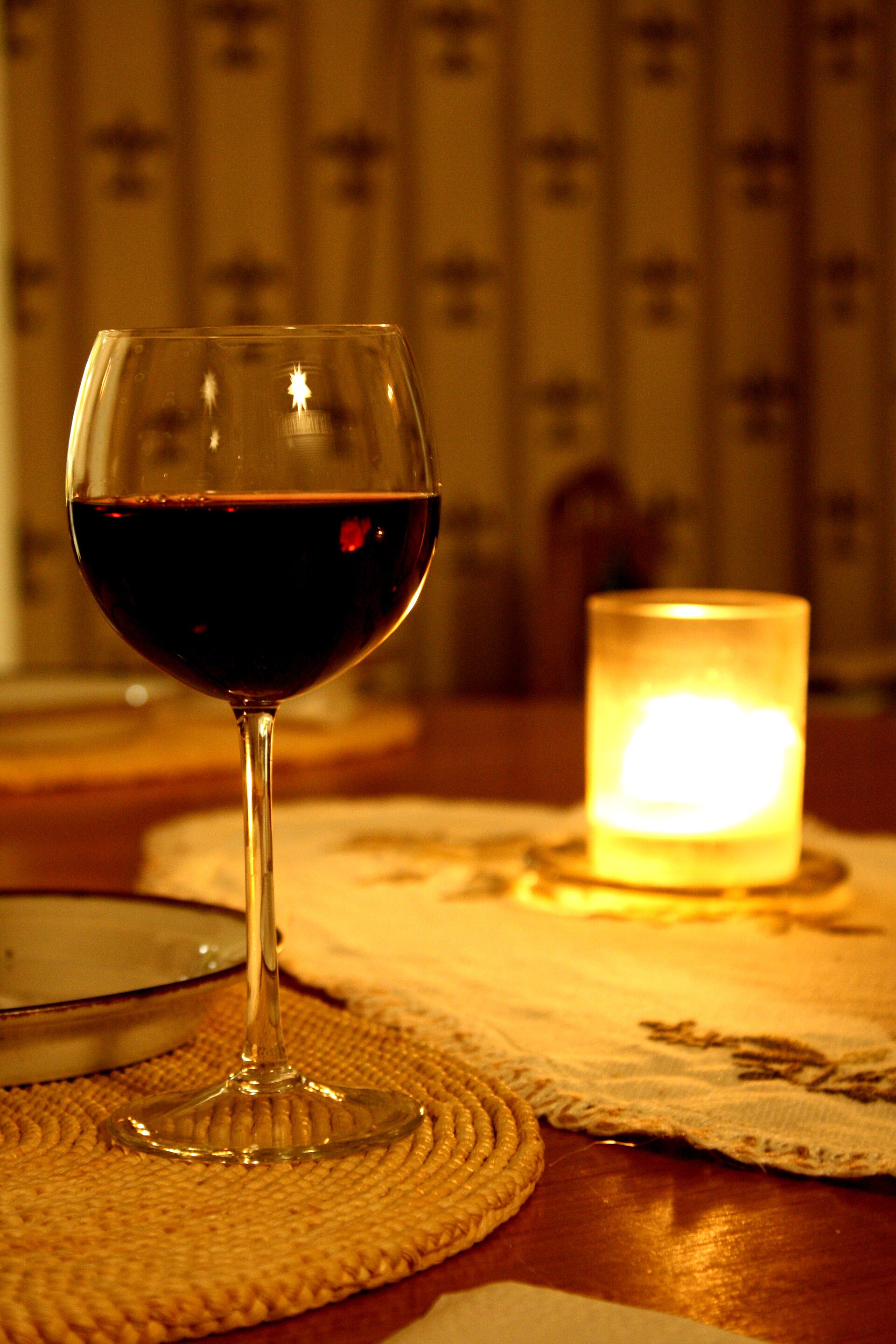
Under Japan's labeling standard, only wine made in Japan exclusively from Japanese-grown grapes may be called "Nihon Wine" (Japan Wine). It is distinguished from wine merely produced in Japan from imported must or concentrate.
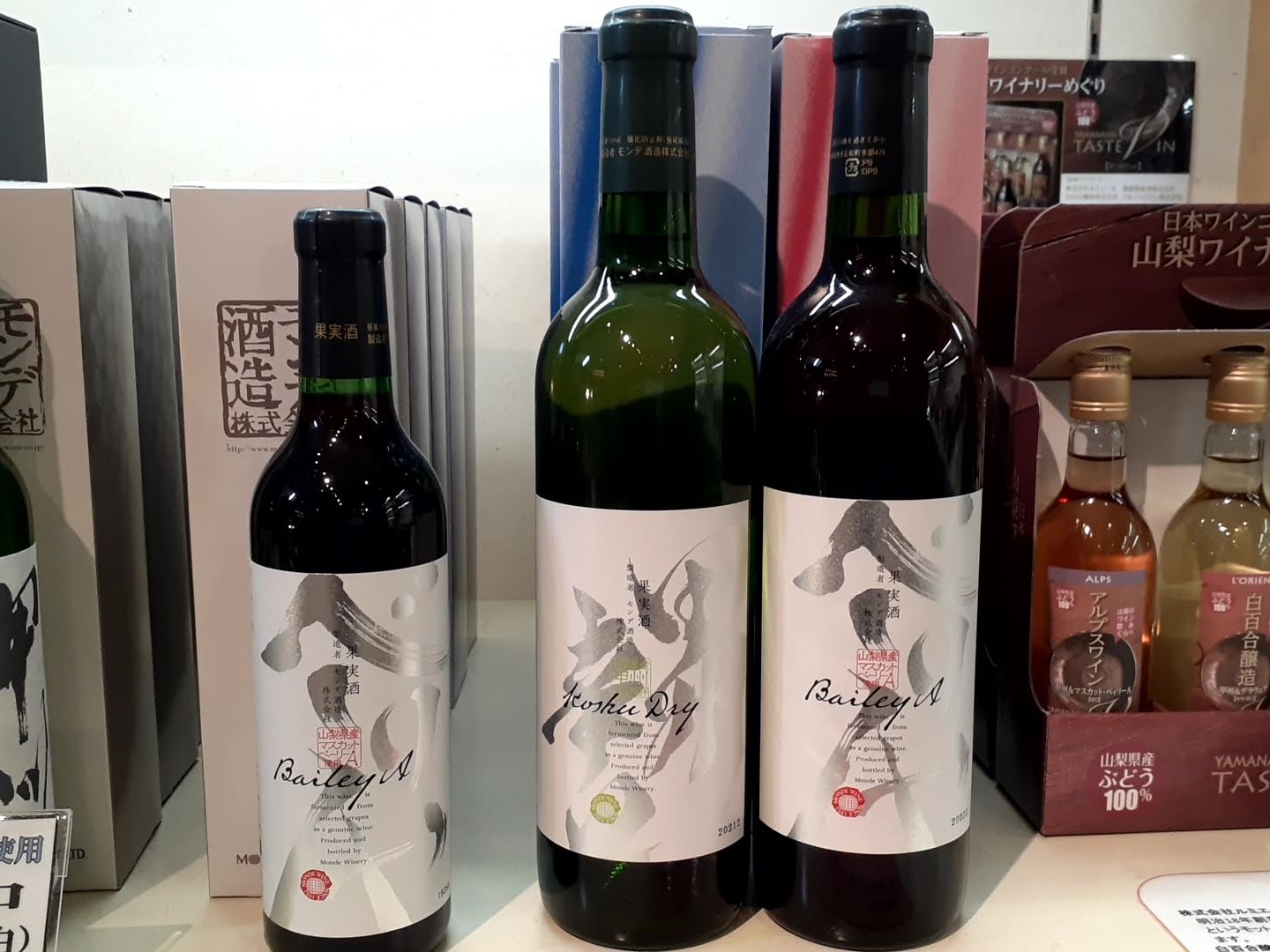
Yamanashi, Nagano, Hokkaido and Yamagata lead, but vineyards now reach across the country — including varieties with long Japanese histories, such as Koshu and Muscat Bailey A.
JAPANESE GRAPE VARIETIES
Source: NTA ↗OIV 2010
KOSHU
甲州
Registered with the OIV as a wine grape variety in 2010.
OIV 2013
MUSCAT BAILEY A
マスカット・ベーリーA
Bred by Zenbei Kawakami from Bailey × Muscat Hamburg; registered with the OIV in 2013.
OIV 2020
YAMASACHI
山幸
Registered with the OIV in 2020.
WINE GIs
PRODUCERS ON RECORD
Japanese Wine — View all →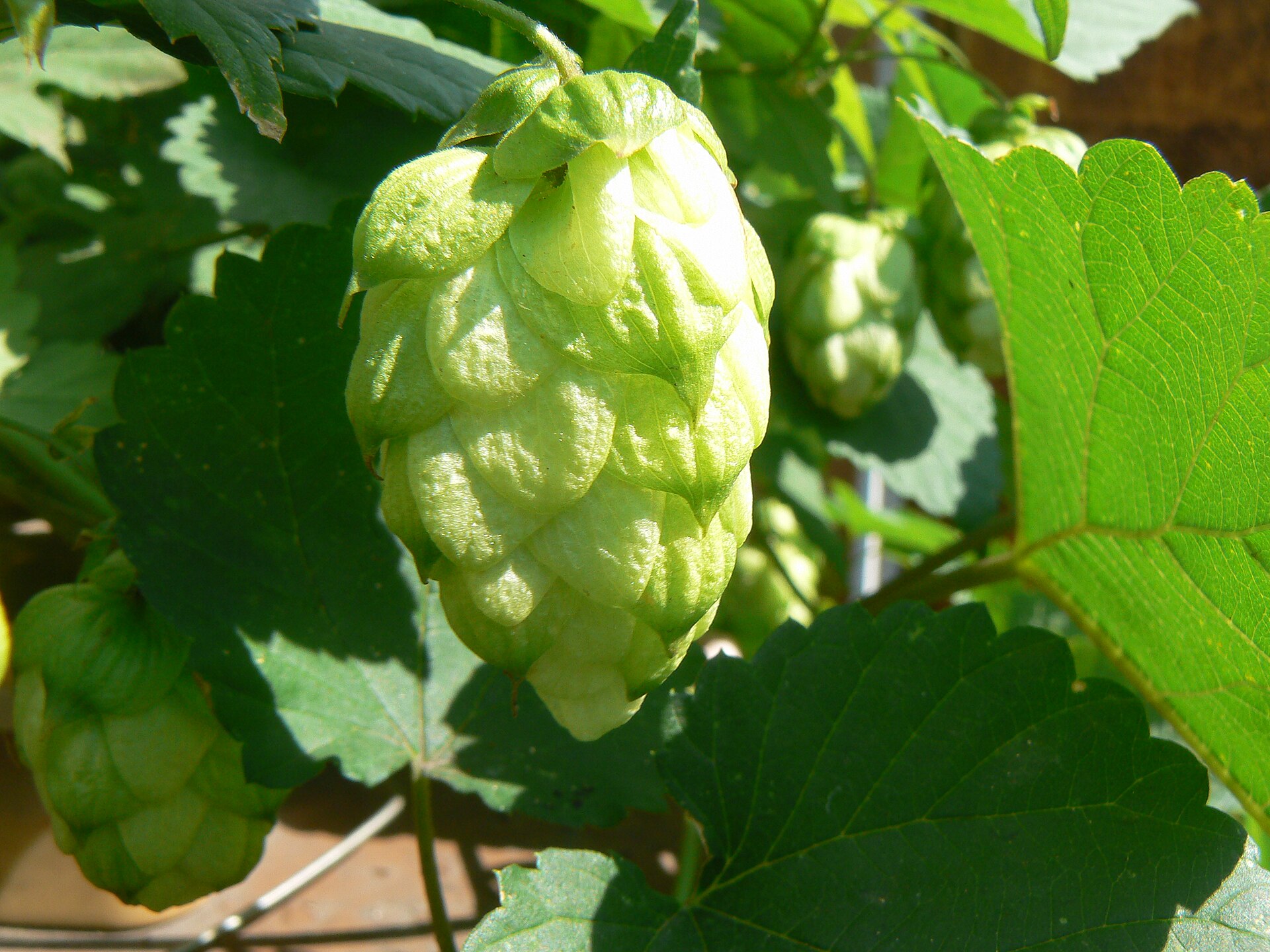
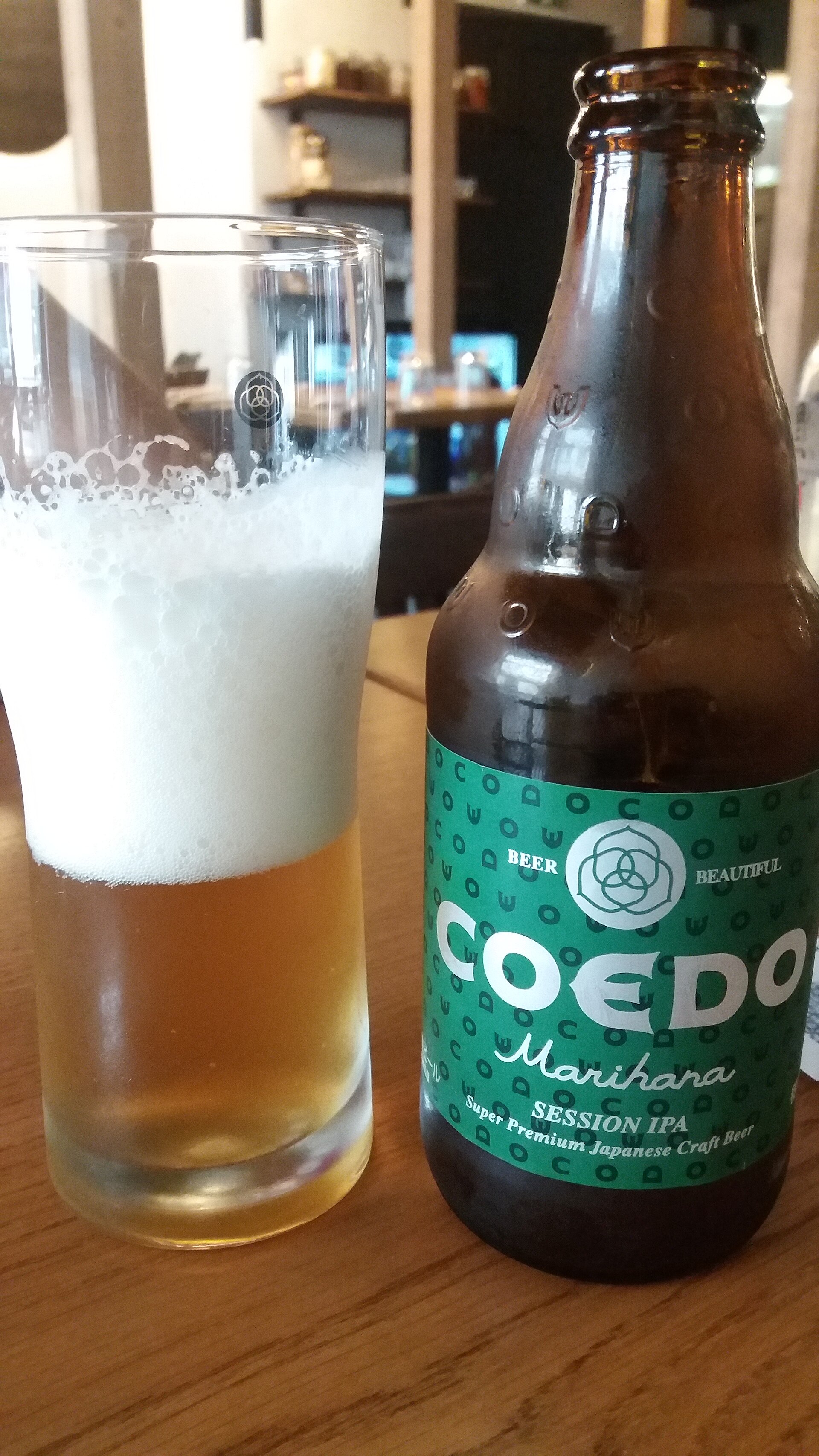
09CRAFT BEER — JI-BEER
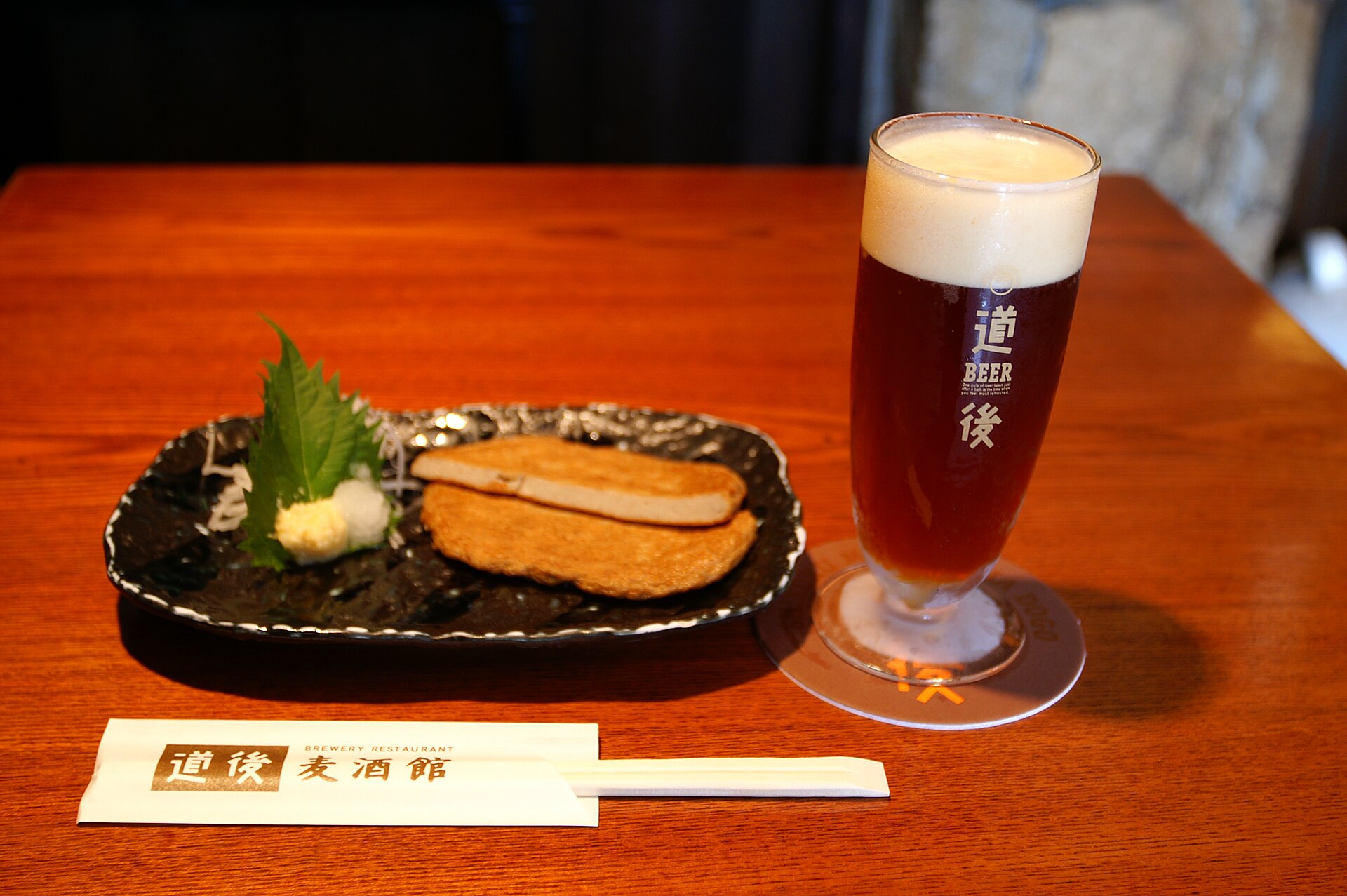
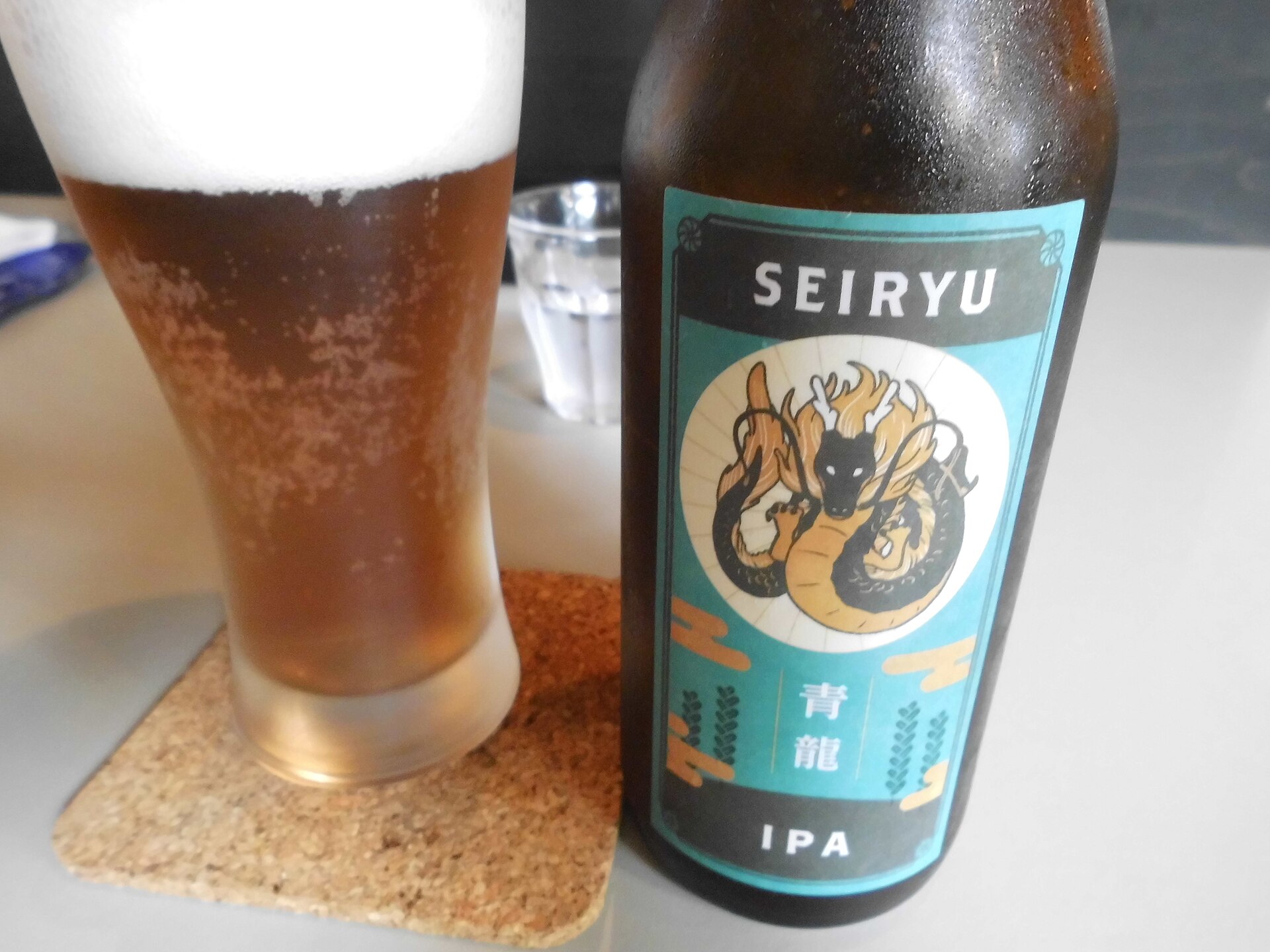
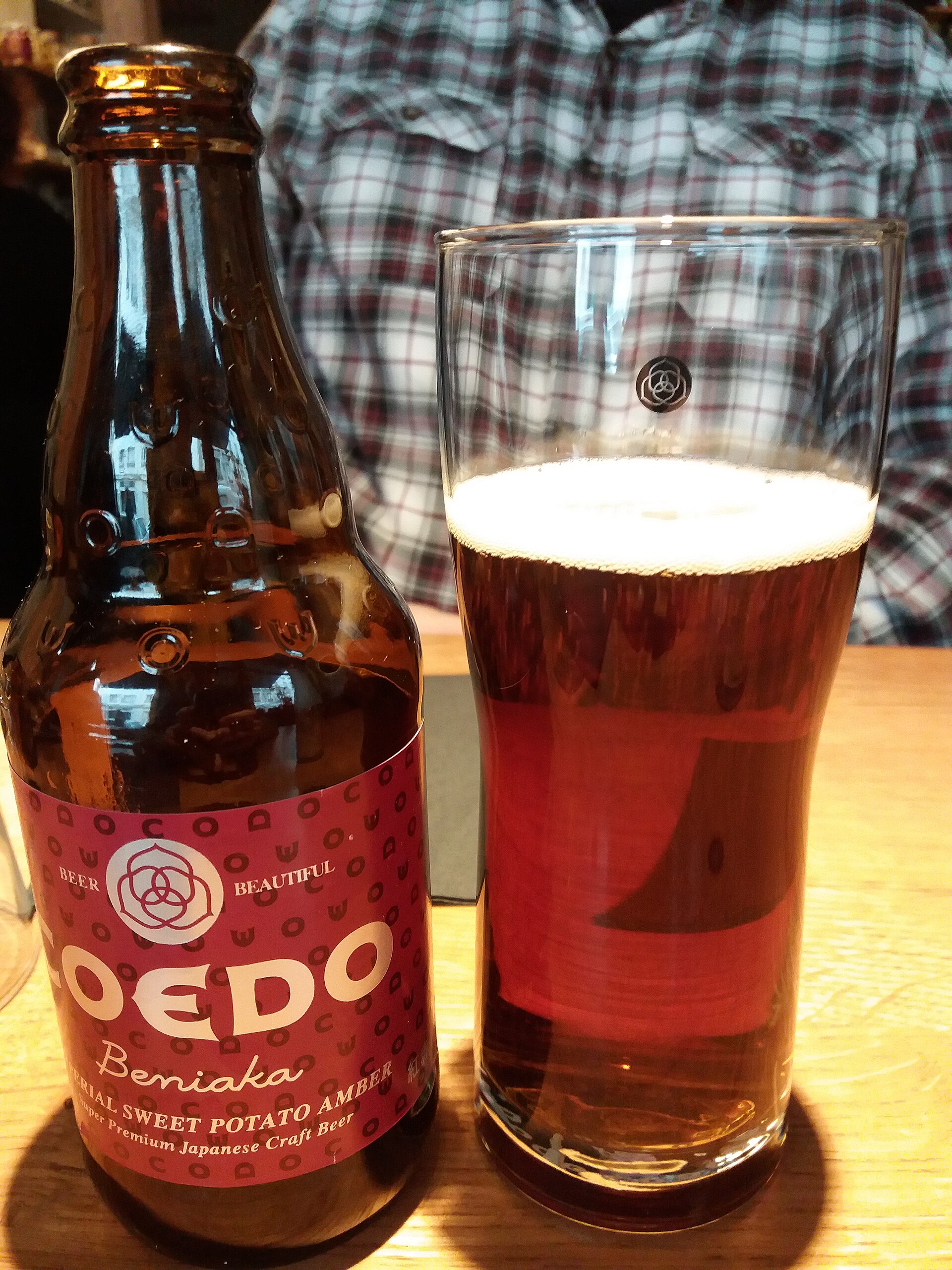
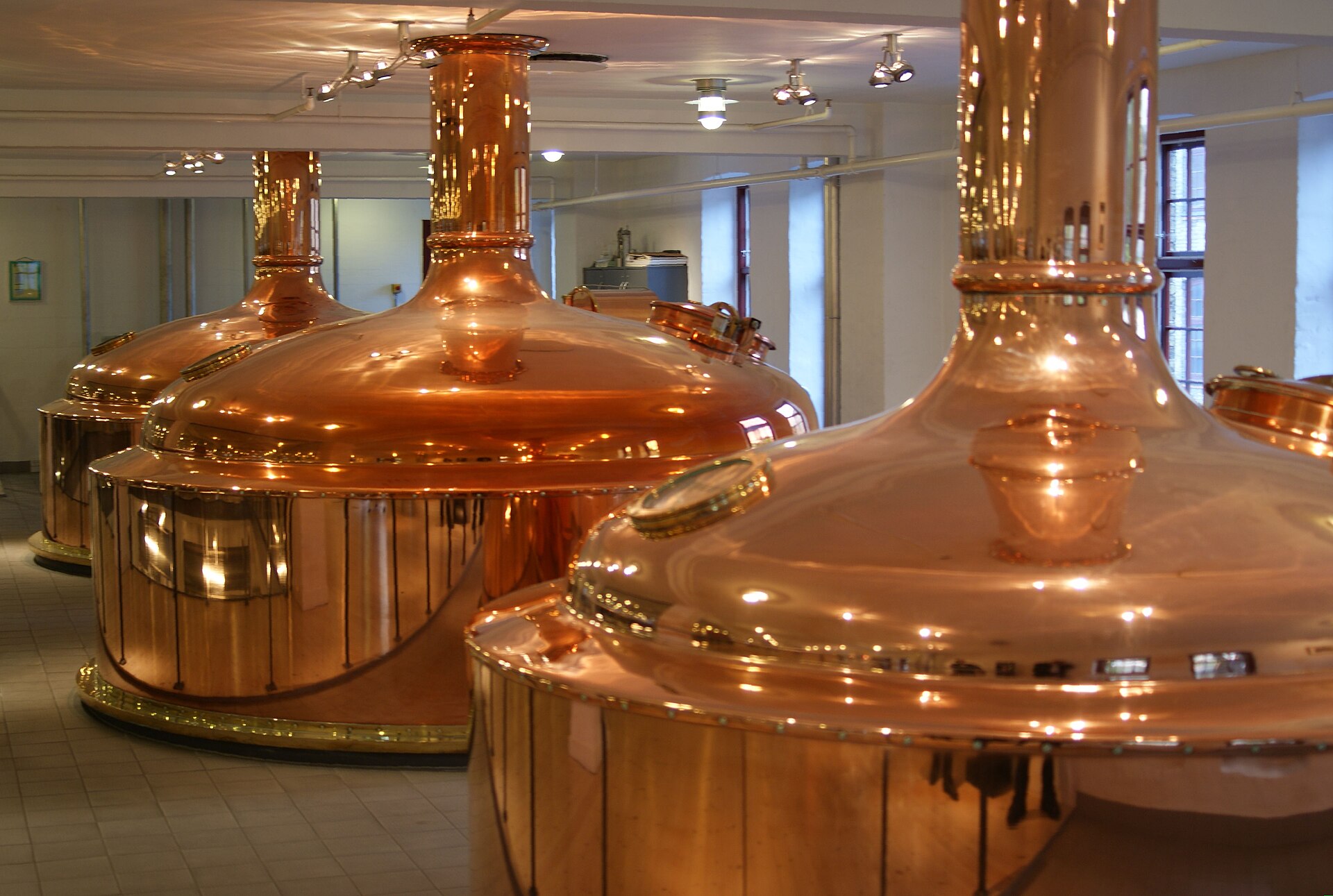
A 1994 revision of the Liquor Tax Act lowered the minimum annual volume required for a beer licence, and small breweries appeared across Japan. Known then as ji-beer (local beer), the movement now spans a wide range of craft styles.
Malt, hops, yeast and water — and, for some brewers, local fruit, rice or citrus. Japanese craft beer lives where style conventions meet regional character.
THE BIRTH OF JI-BEER
In April 1994 an amendment to the Liquor Tax Act cut the minimum annual production for a beer licence from 2,000 kL to 60 kL.
Source: NTA ↗BEER STYLES
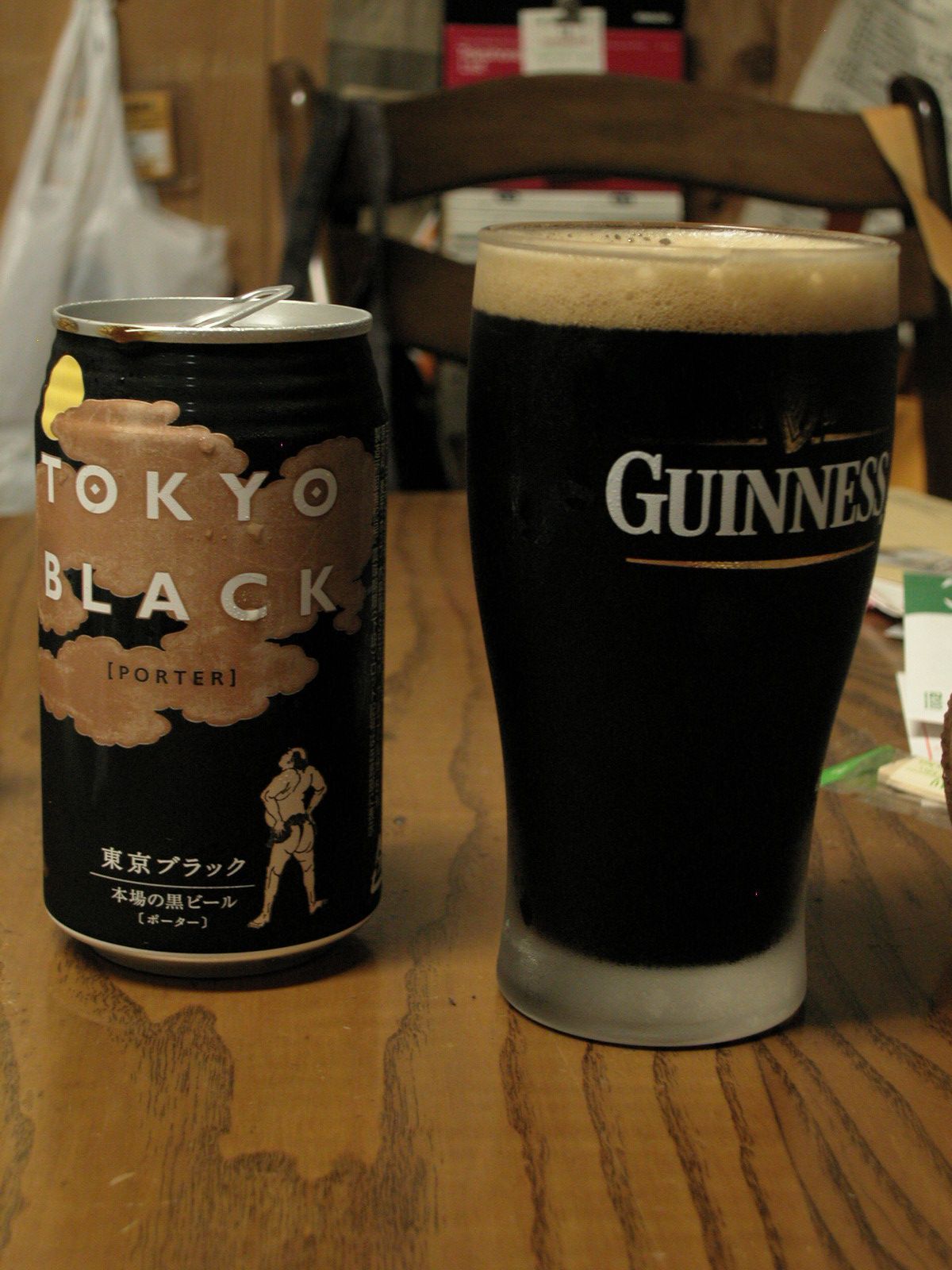
Styles are a way in, not a verdict. Each beer's style is recorded as the brewer states it.
PRODUCERS ON RECORD
Craft Beer — View all →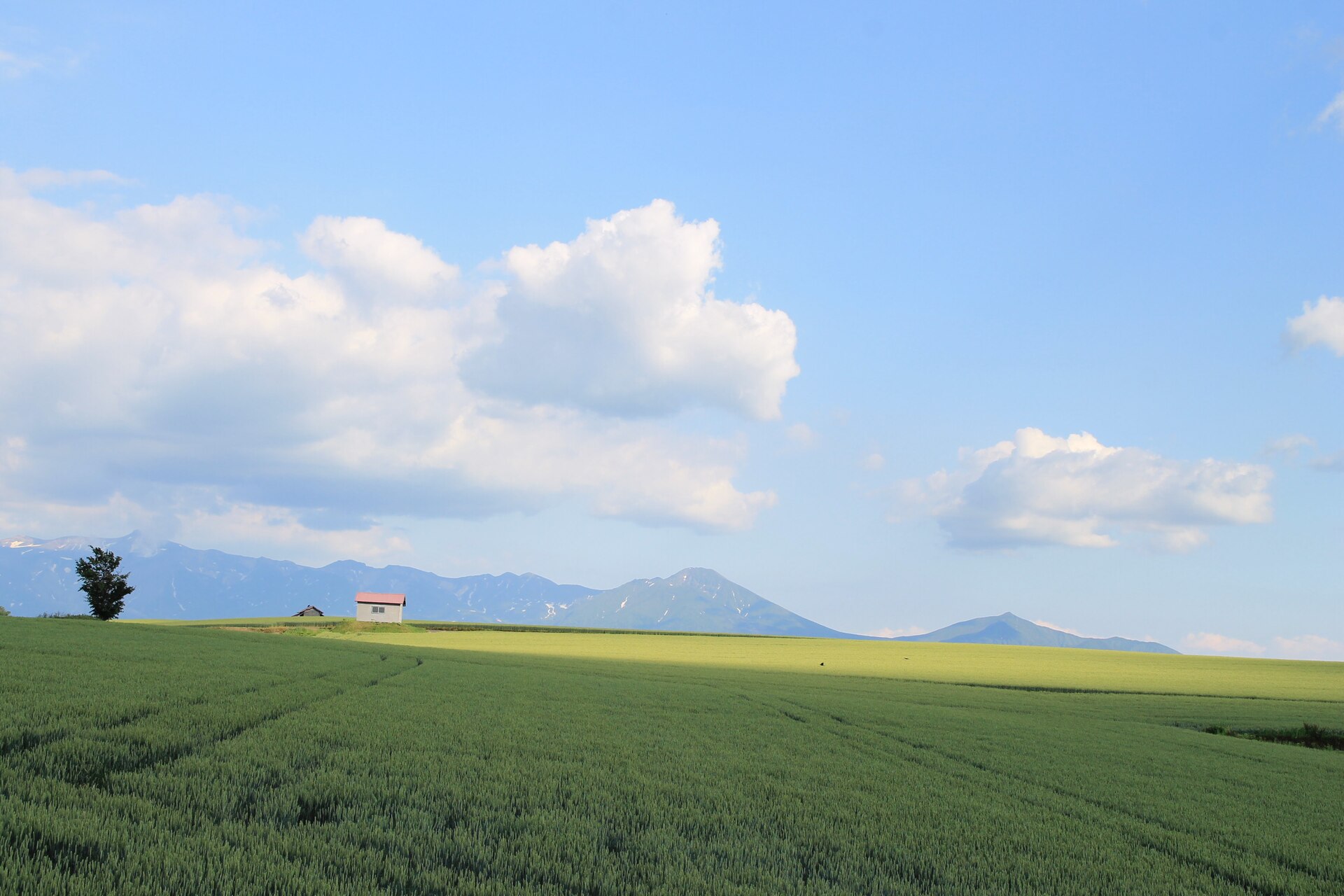
10JAPANESE WHISKY — DISTILLED
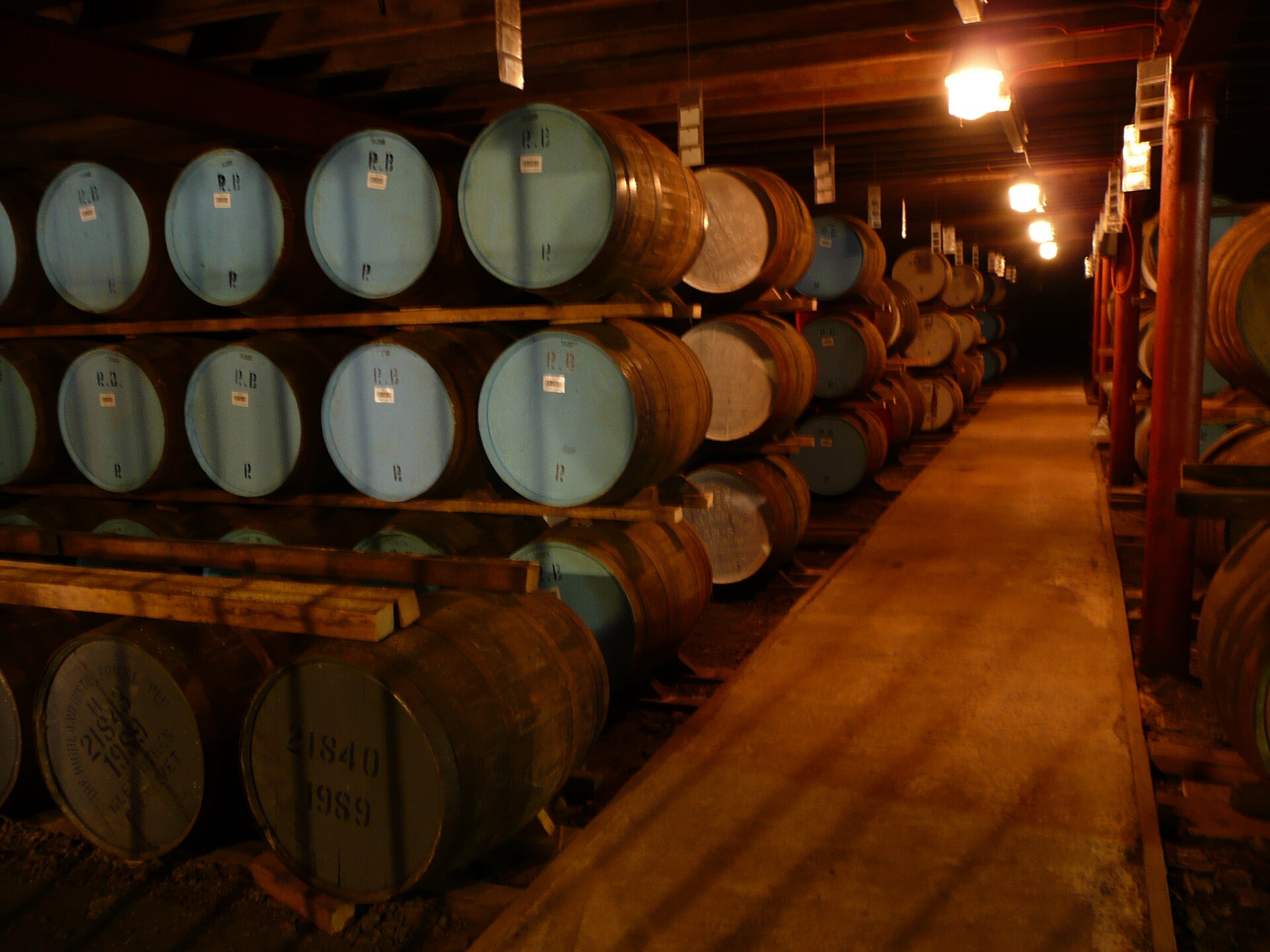
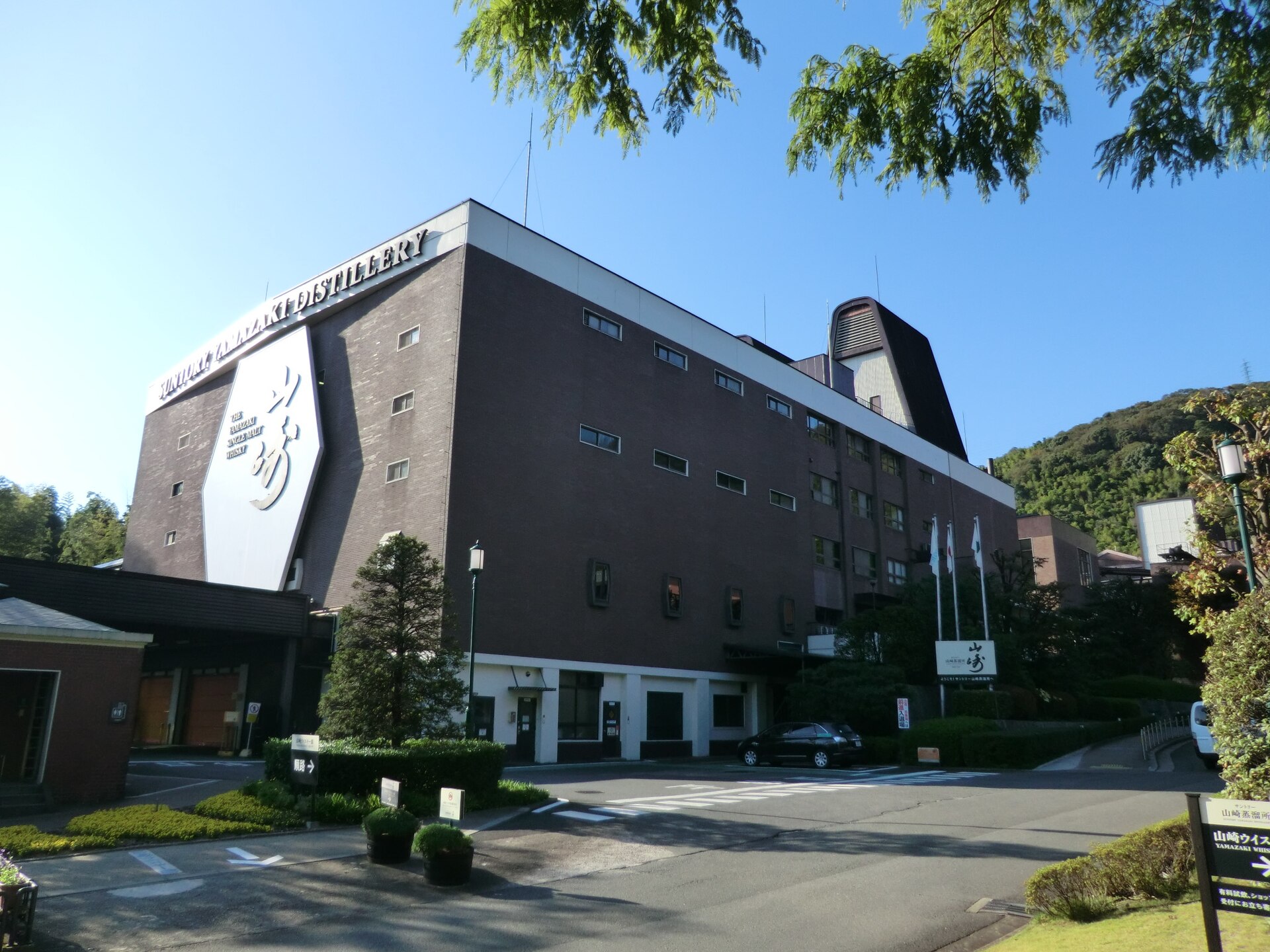
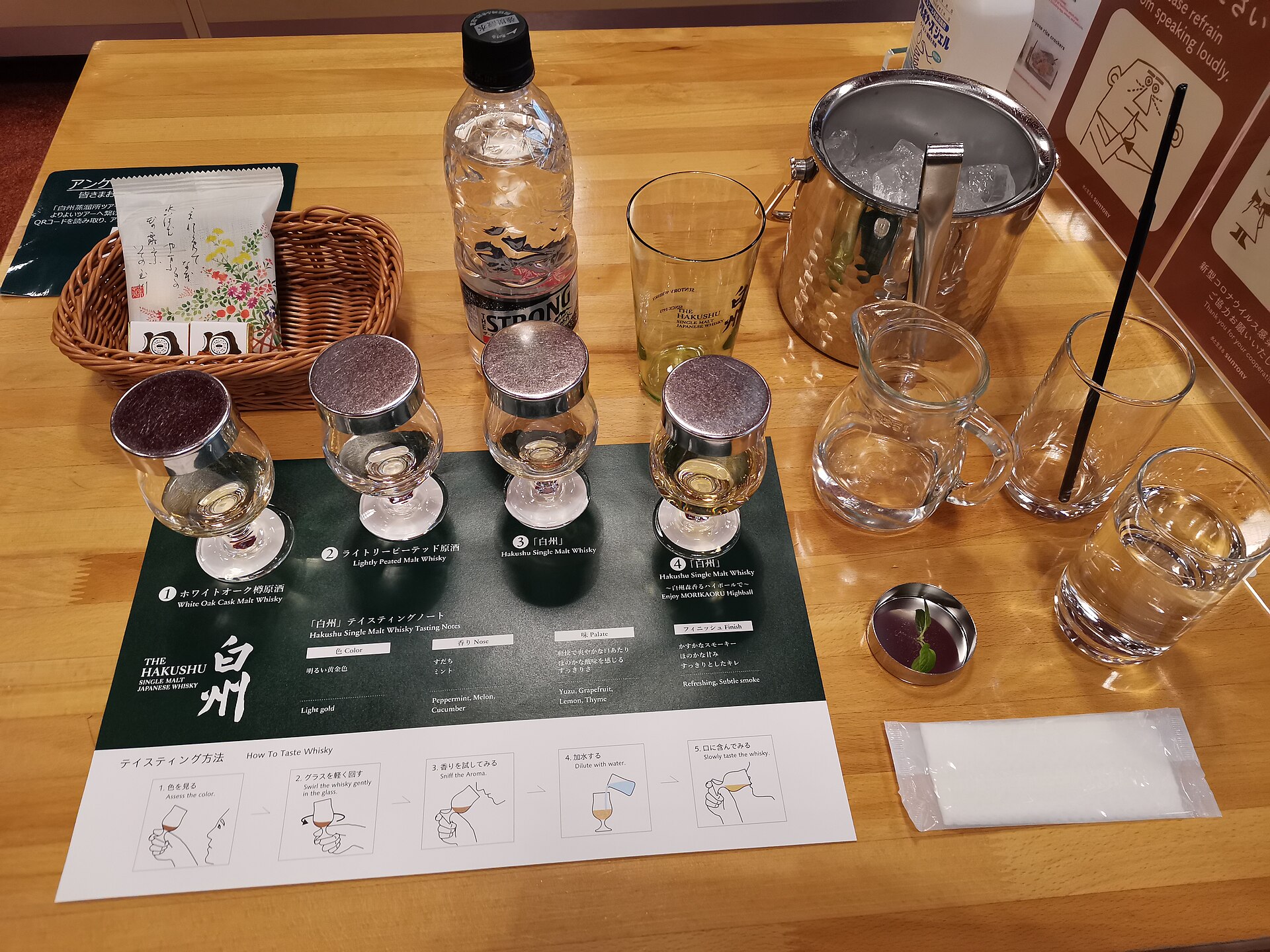
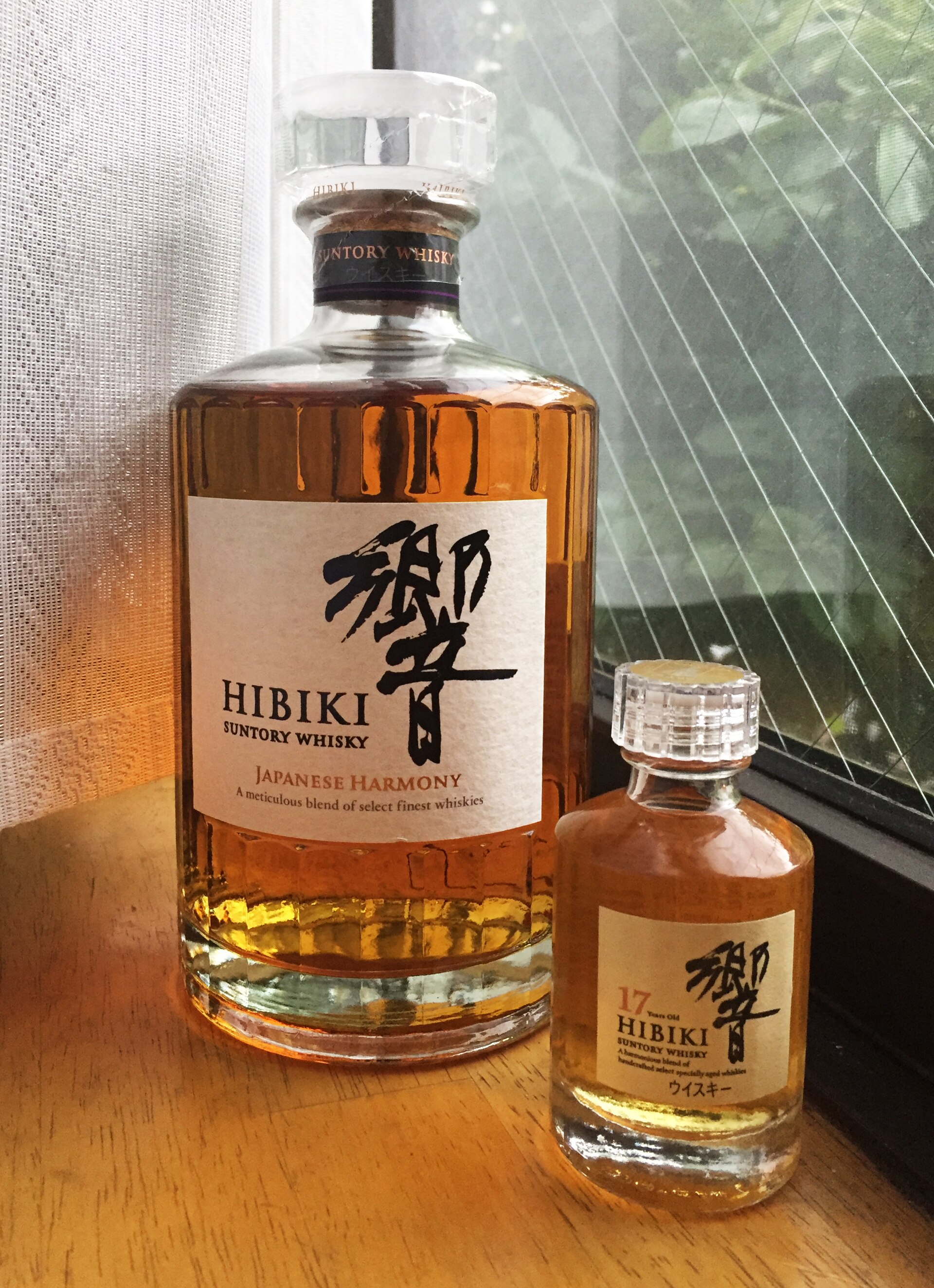
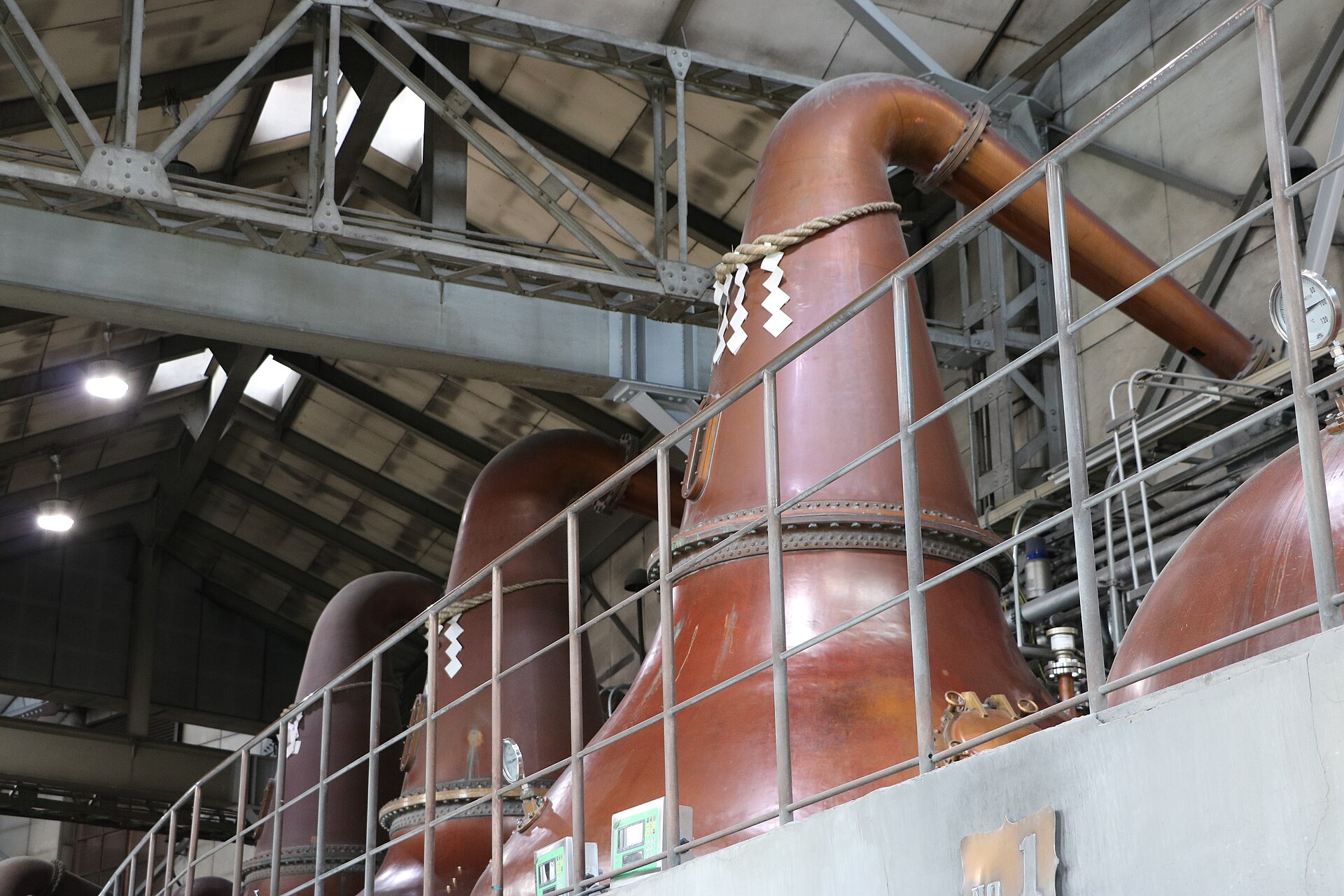
Whisky-making in Japan began in earnest with distilleries built in the 1920s. Mashing and fermentation, distillation in copper stills and long maturation in wooden casks turn grain into whisky.
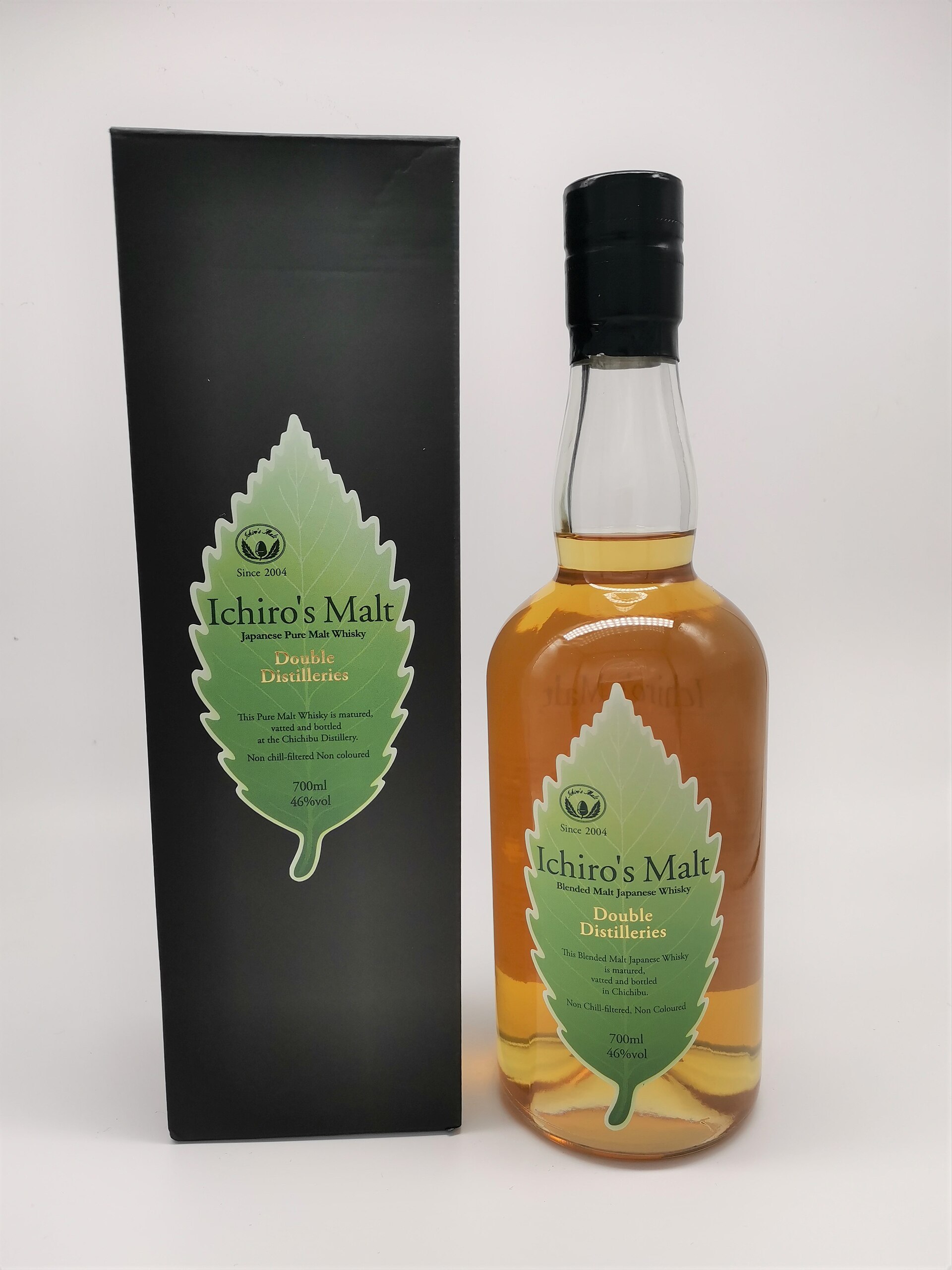
The Japan Spirits & Liqueurs Makers Association has set a voluntary standard for labeling "Japanese Whisky". This archive does not classify a product as Japanese Whisky merely because it was bottled in Japan; each product records its labeling standard and source.
LABELING STANDARD
What it takes to be called Japanese Whisky.
The JSLA's voluntary standard (in force 1 April 2021; transition to 31 March 2024). This archive records labelingStandard, originClaim, source and verification date per product, and classifies nothing without evidence.
Source: JSLA ↗TIME IN WOOD
01 / 05
NEW MAKE
ニューメイク
Freshly distilled spirit is water-clear.
02 / 05
CASK
樽
Filled into wood, it goes to sleep in the warehouse.
03 / 05
TIME
時間
Seasons turn; cask and spirit work on each other, quietly.
04 / 05
MATURATION
熟成
Colour and aroma grow in the cask with time.
05 / 05
BOTTLE
瓶
Ages and cask types are recorded only from each product's official information.
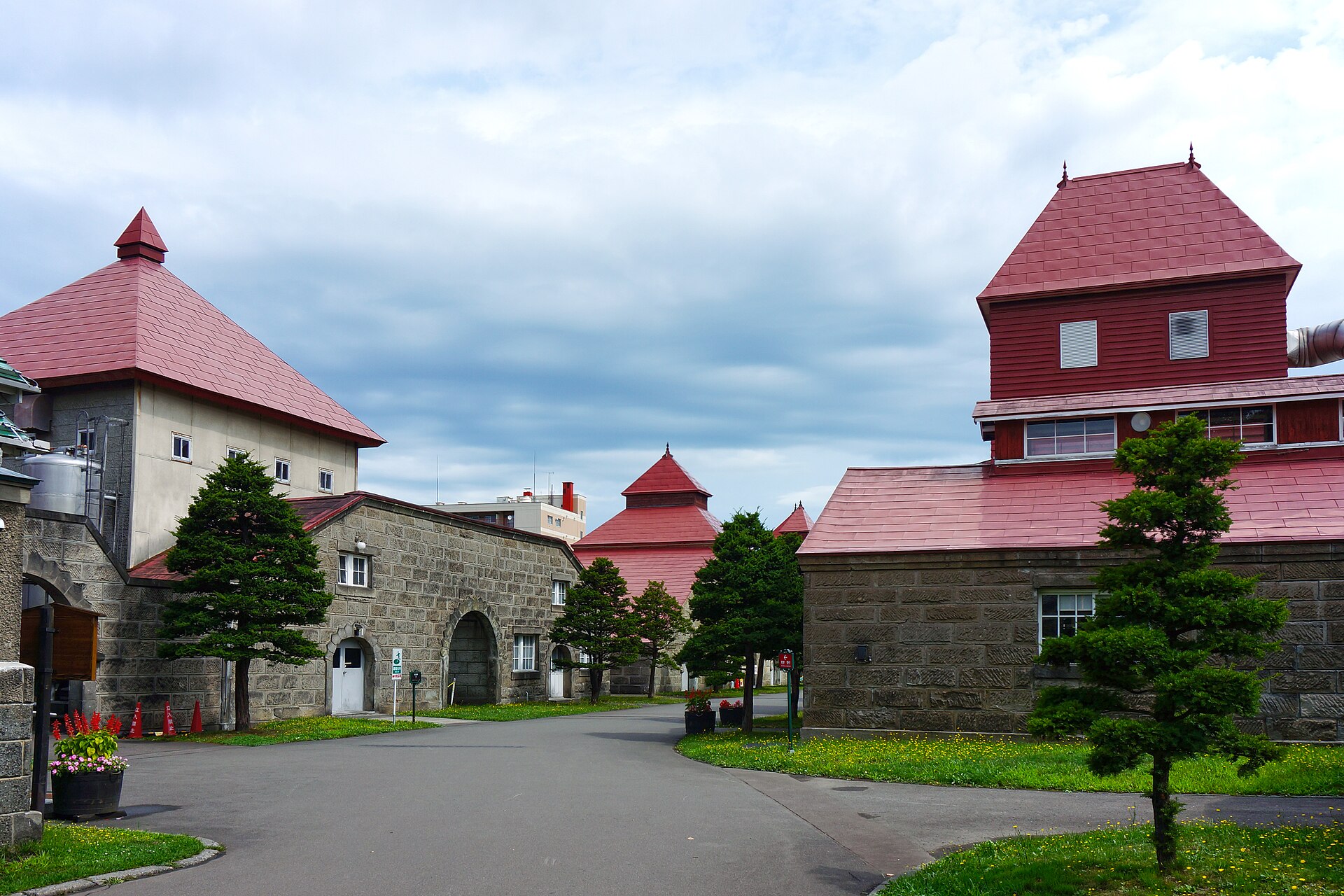
YOICHI DISTILLERY · HOKKAIDO
PRODUCERS ON RECORD
Japanese Whisky — View all →11SHOCHU — HONKAKU SHOCHU
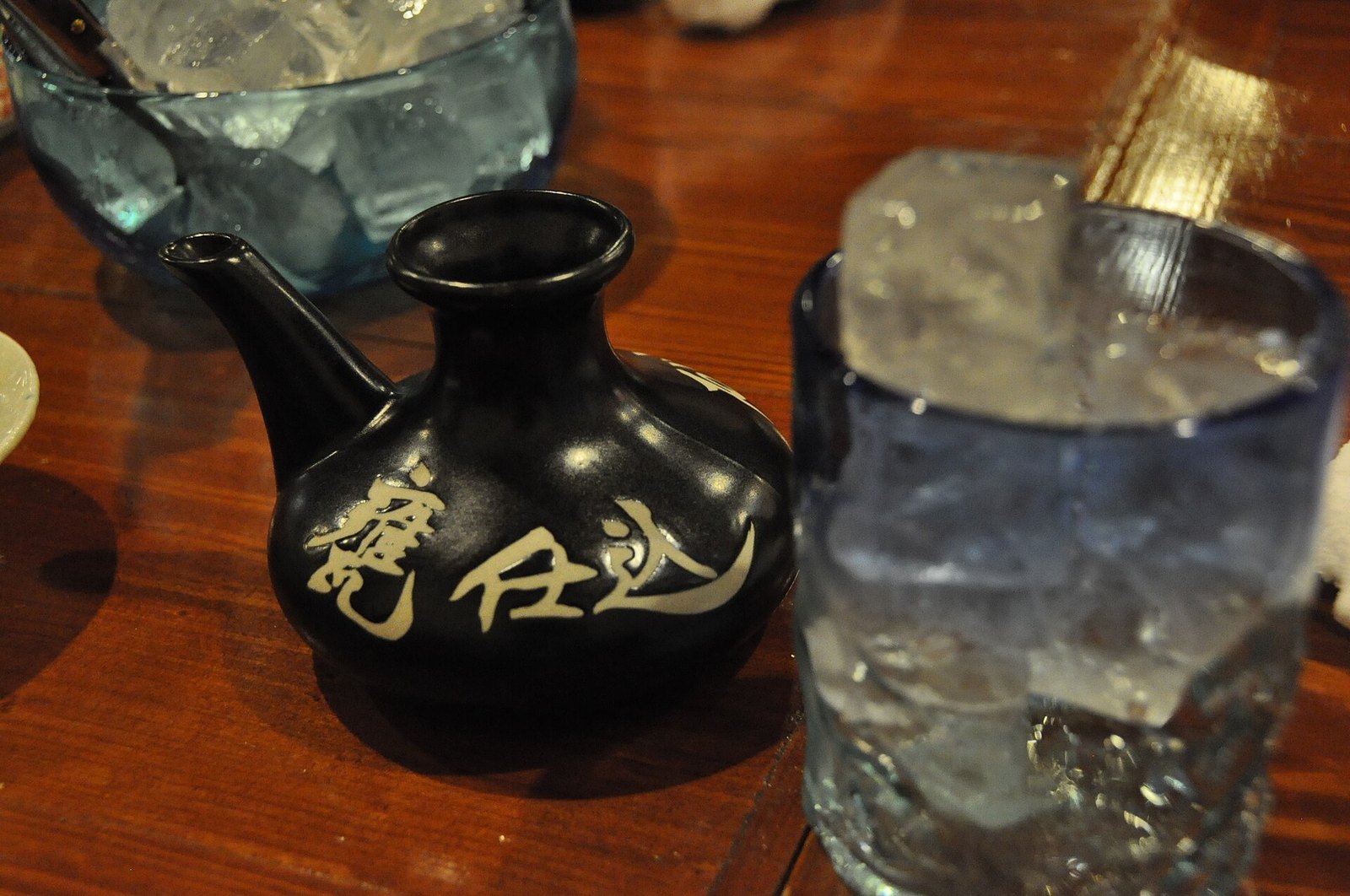
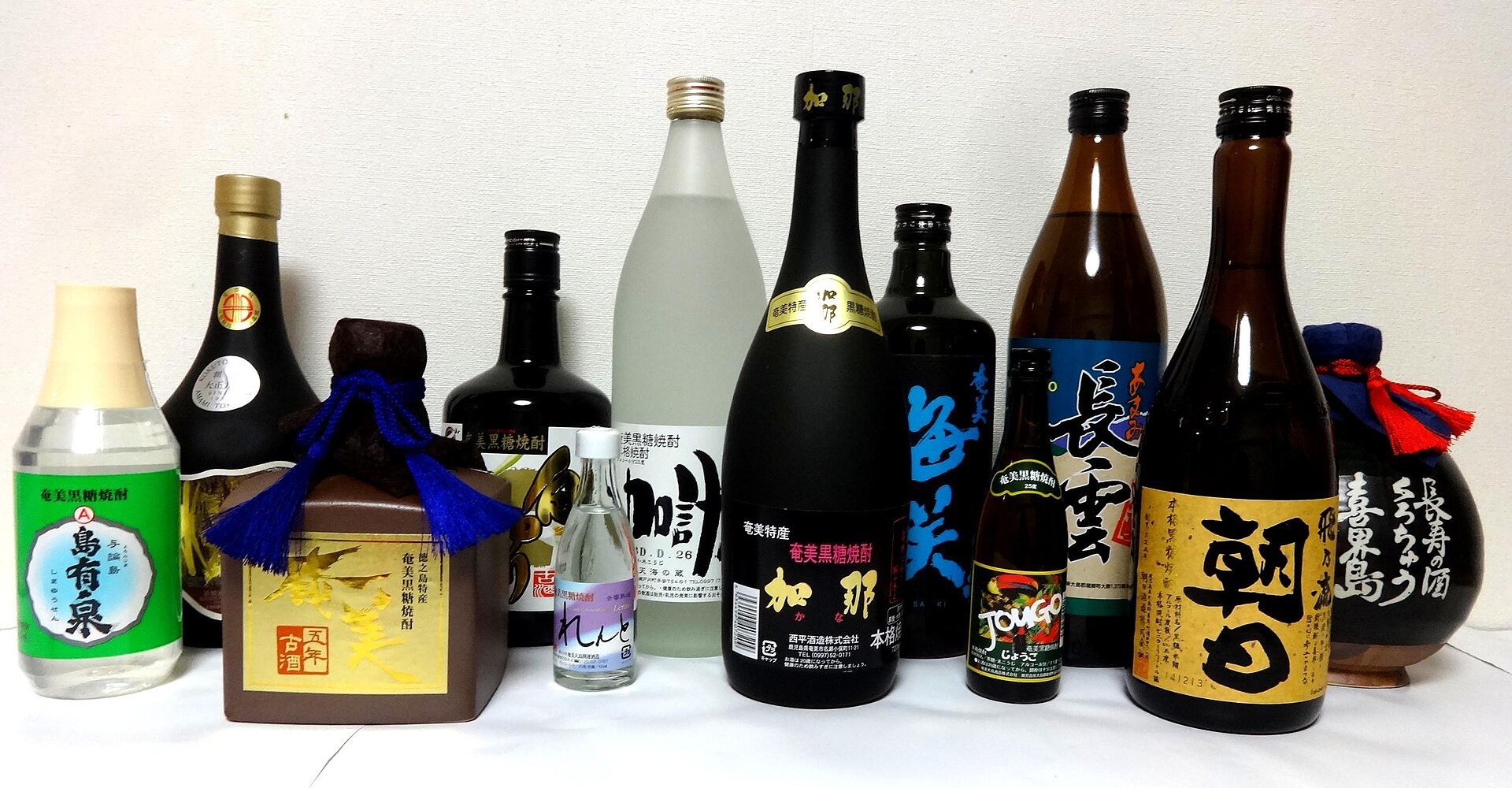
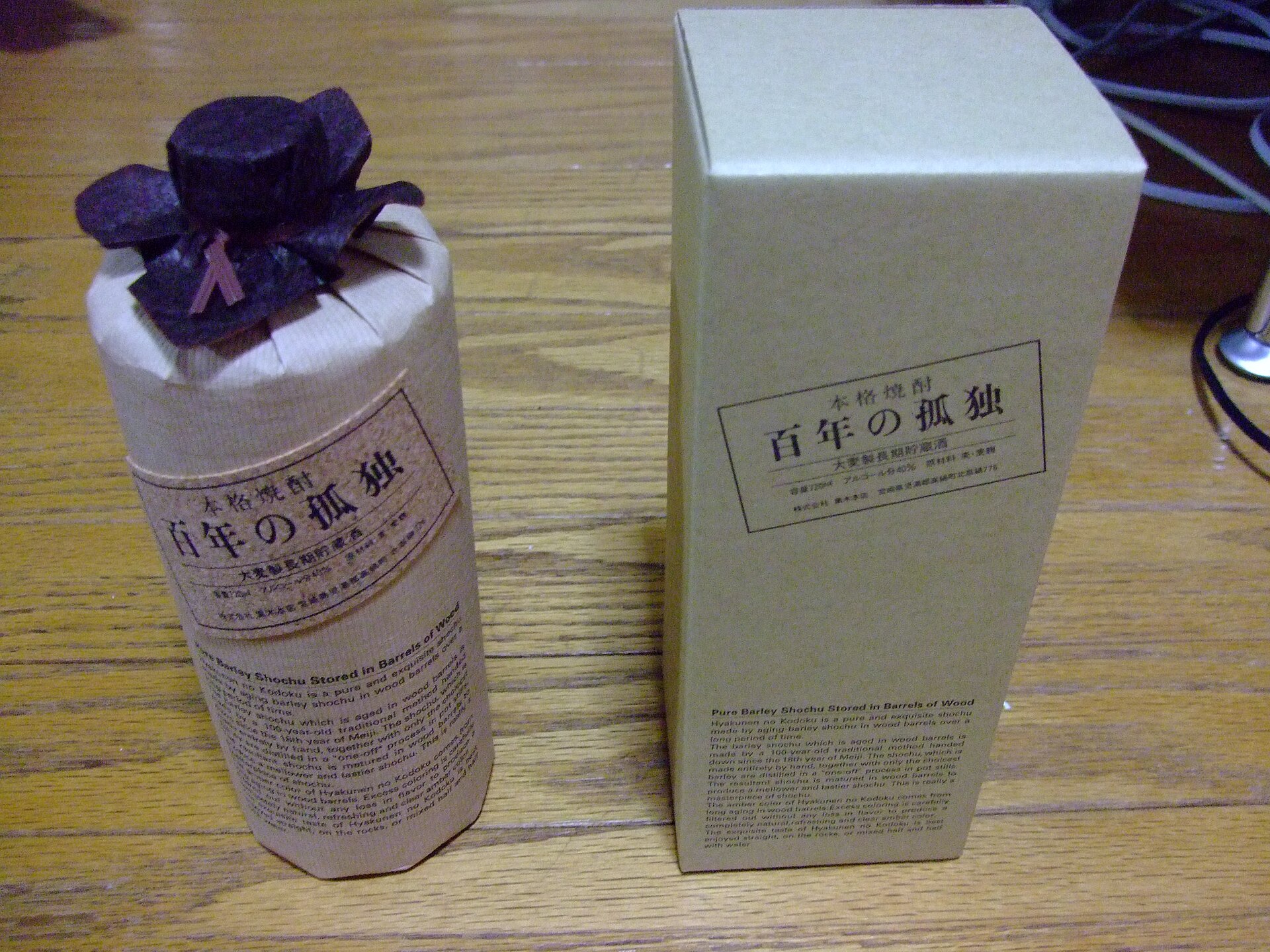
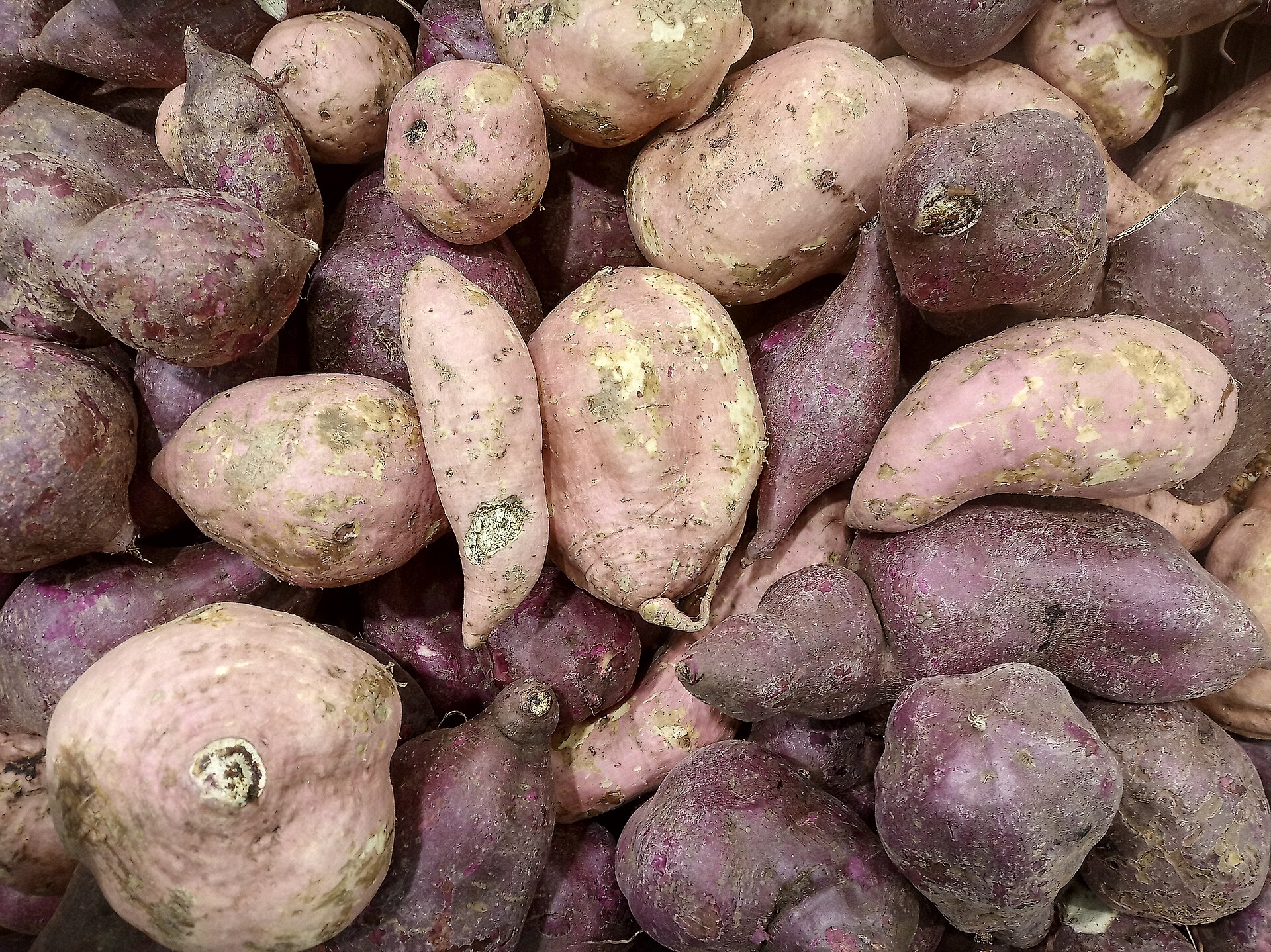
Honkaku shochu (single-distilled shochu) is made by fermenting its ingredients with koji and distilling the mash once in a pot still. Much of the ingredient's aroma and flavour carries through — its defining trait.
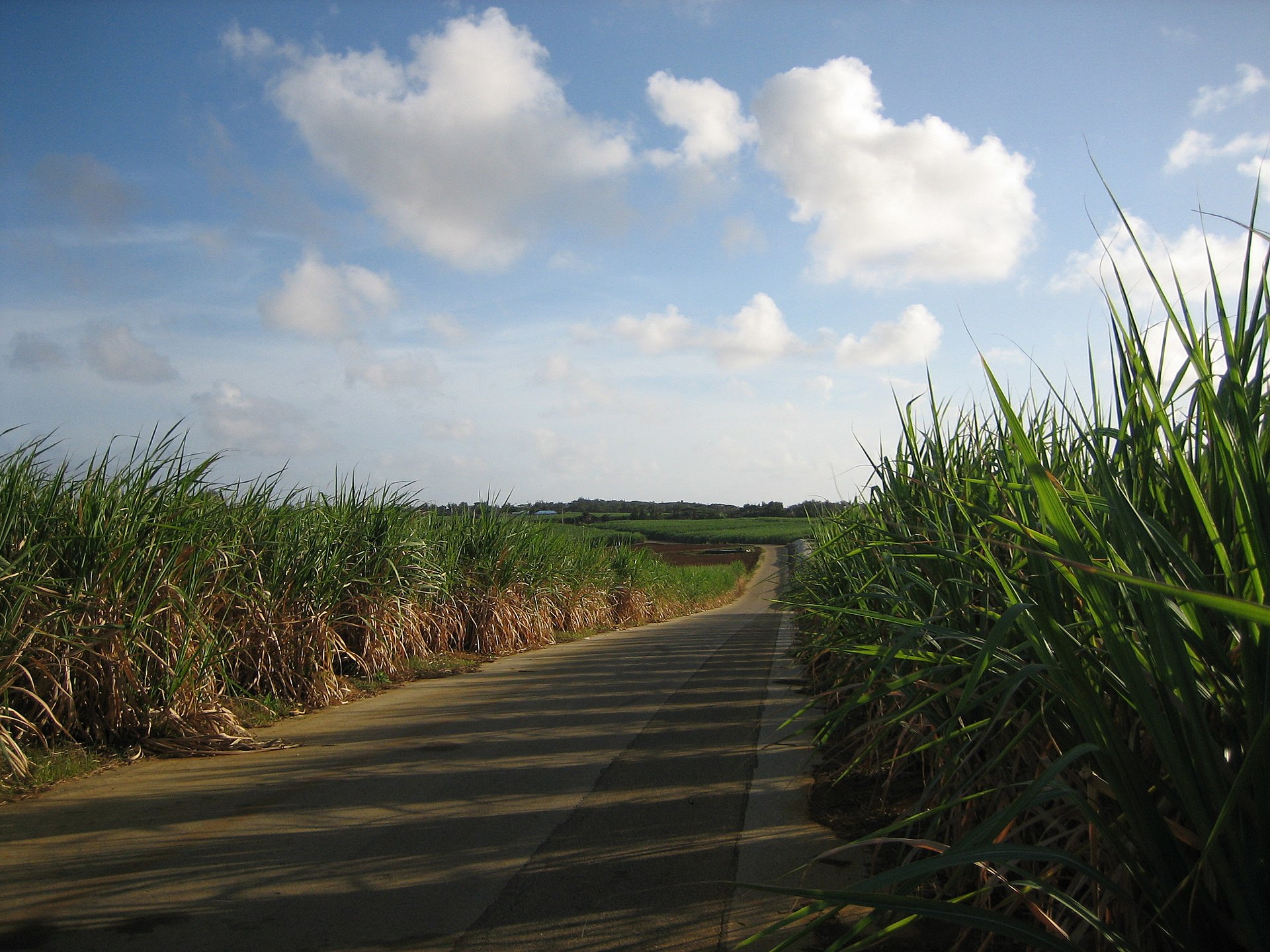
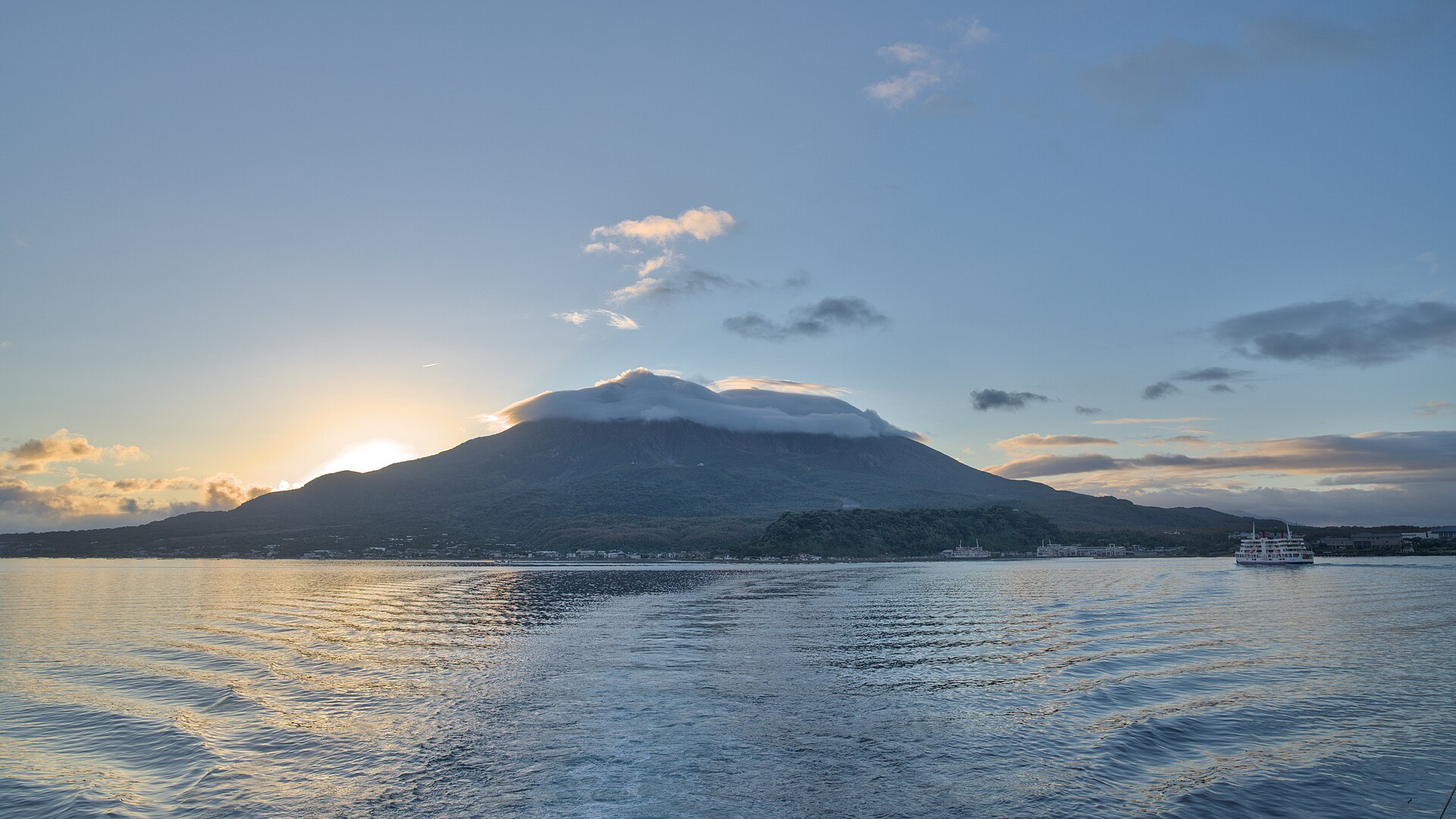
Sweet potato in Kagoshima and Miyazaki, barley in Oita and Iki, rice in Kumamoto's Kuma basin, brown sugar in Amami. Centred on Kyushu, the bond of ingredient, koji and place draws the map of shochu.
KOJI
White koji
Said to be a mutant strain of black koji; widely used for honkaku shochu in southern Kyushu.
Black koji
The koji of awamori. It produces citric acid, which holds back unwanted bacteria.
Yellow koji
The koji used for sake.
PRODUCERS ON RECORD
Shochu — View all →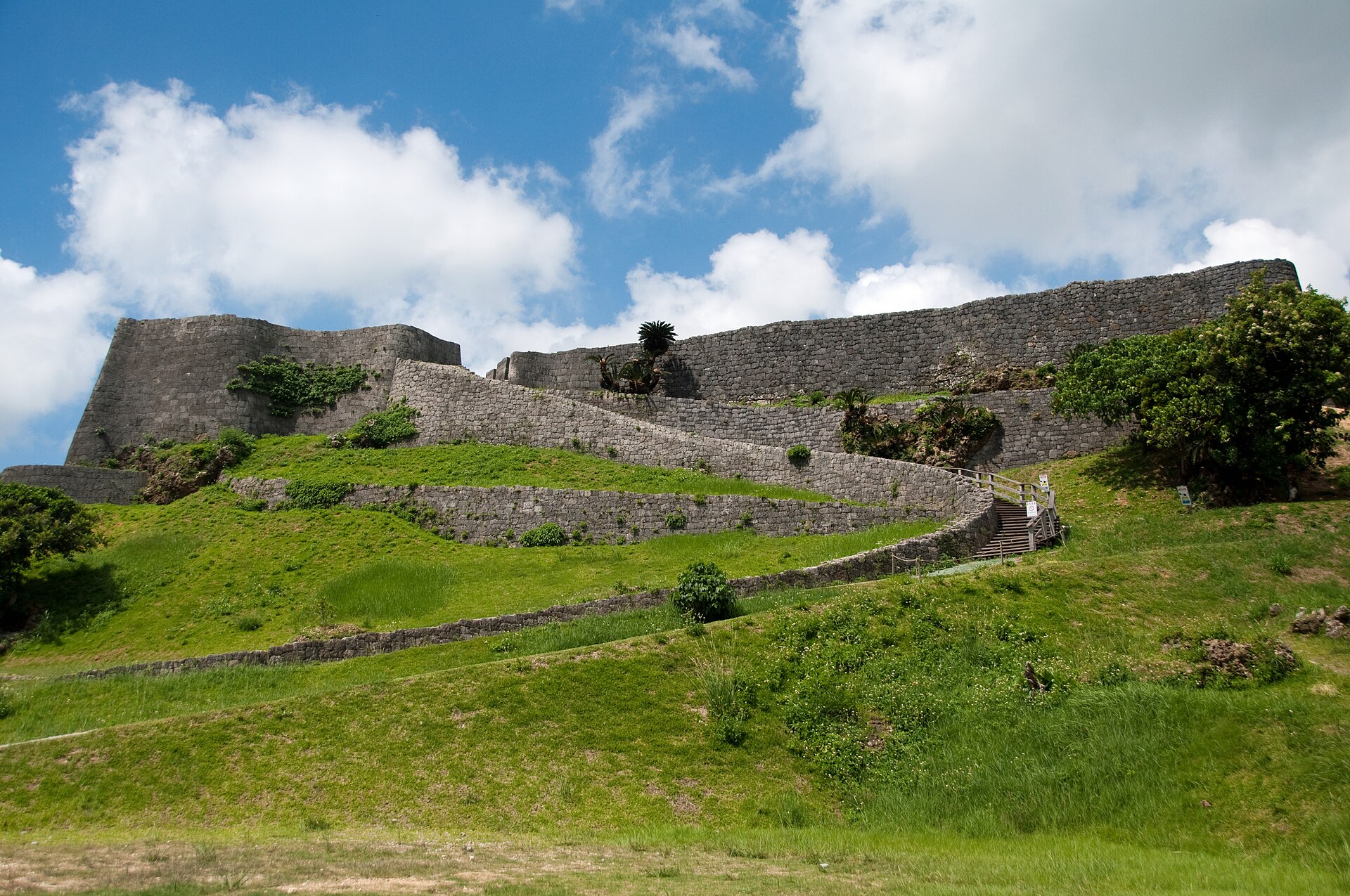
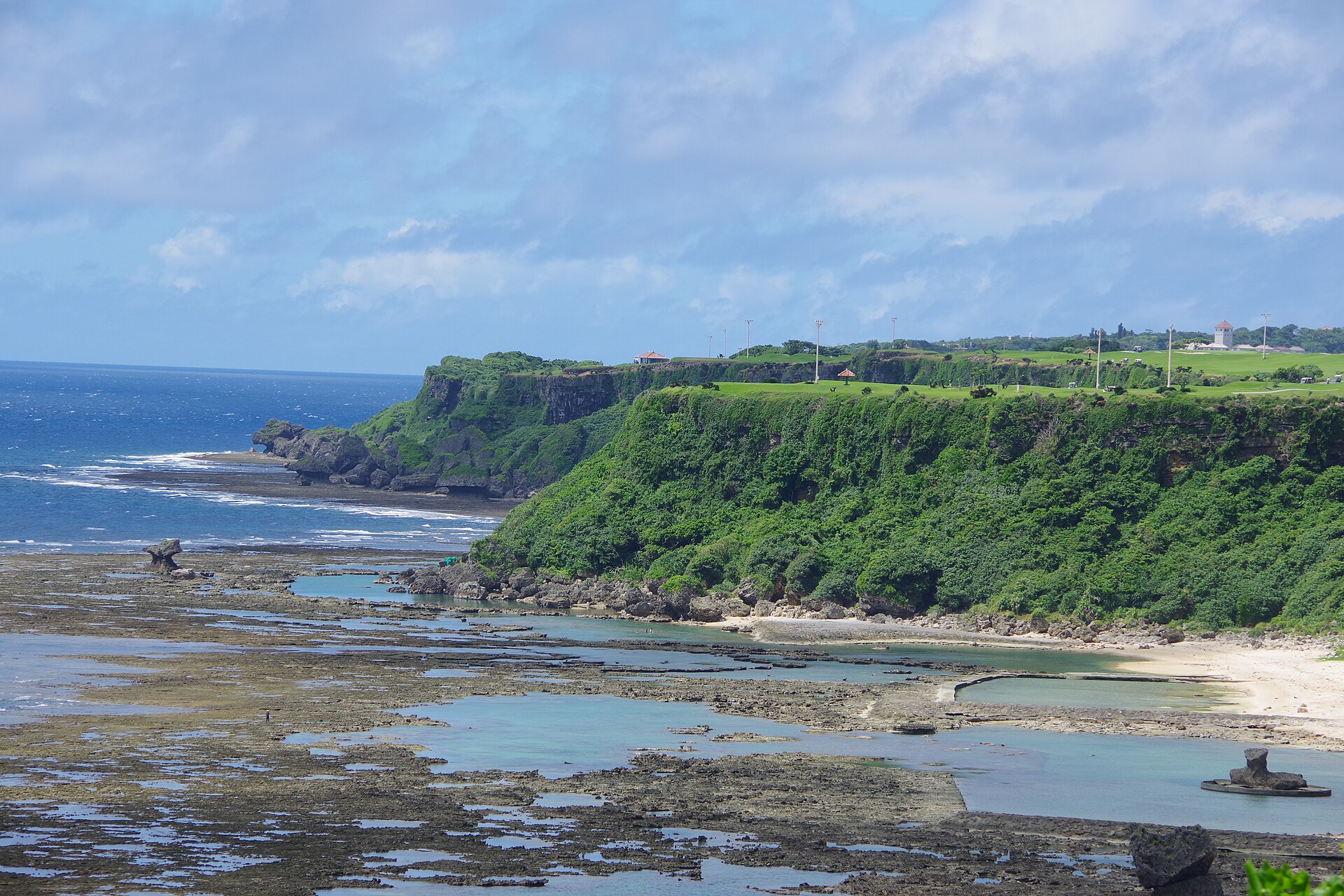
12AWAMORI — OKINAWA
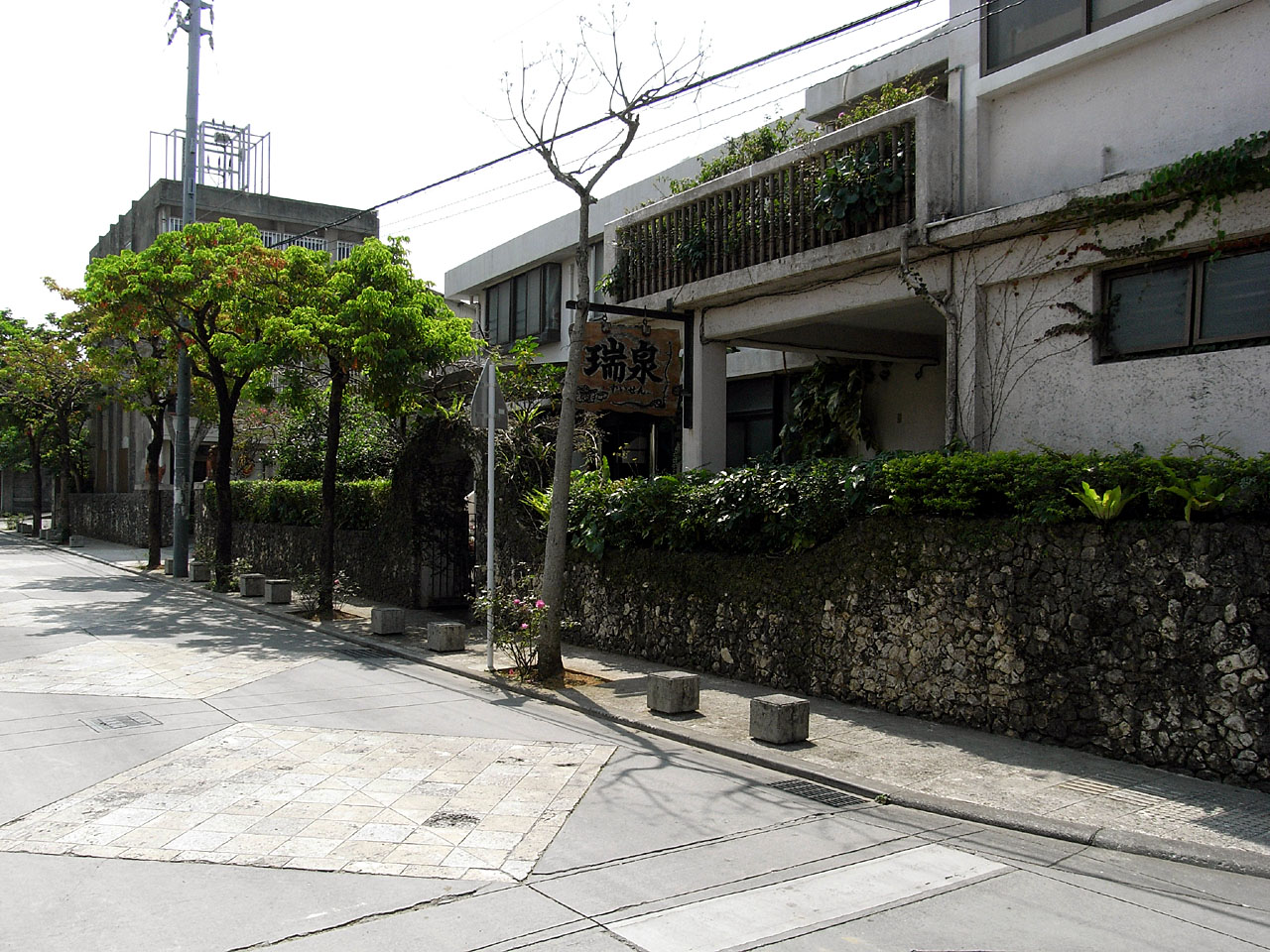
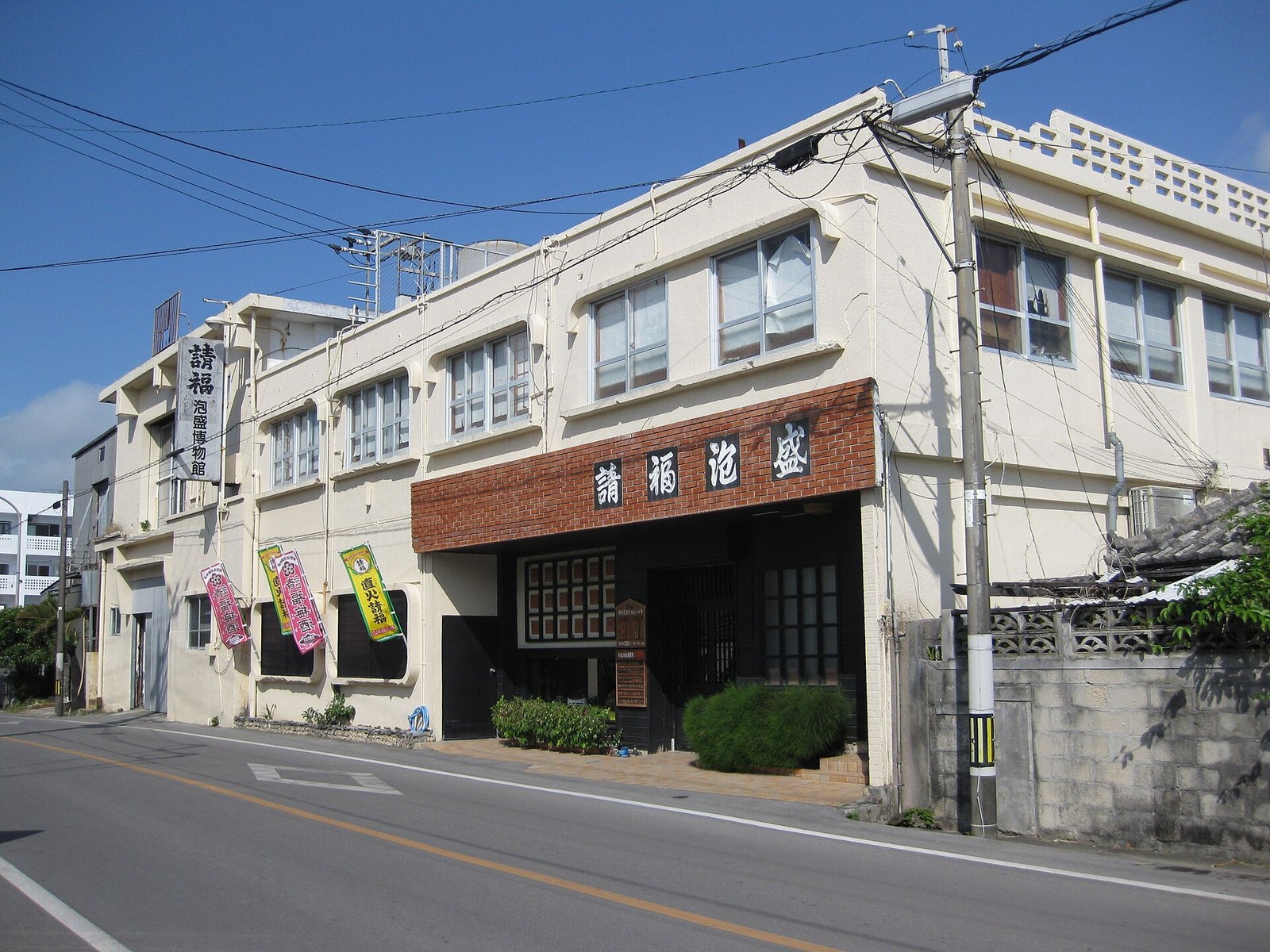
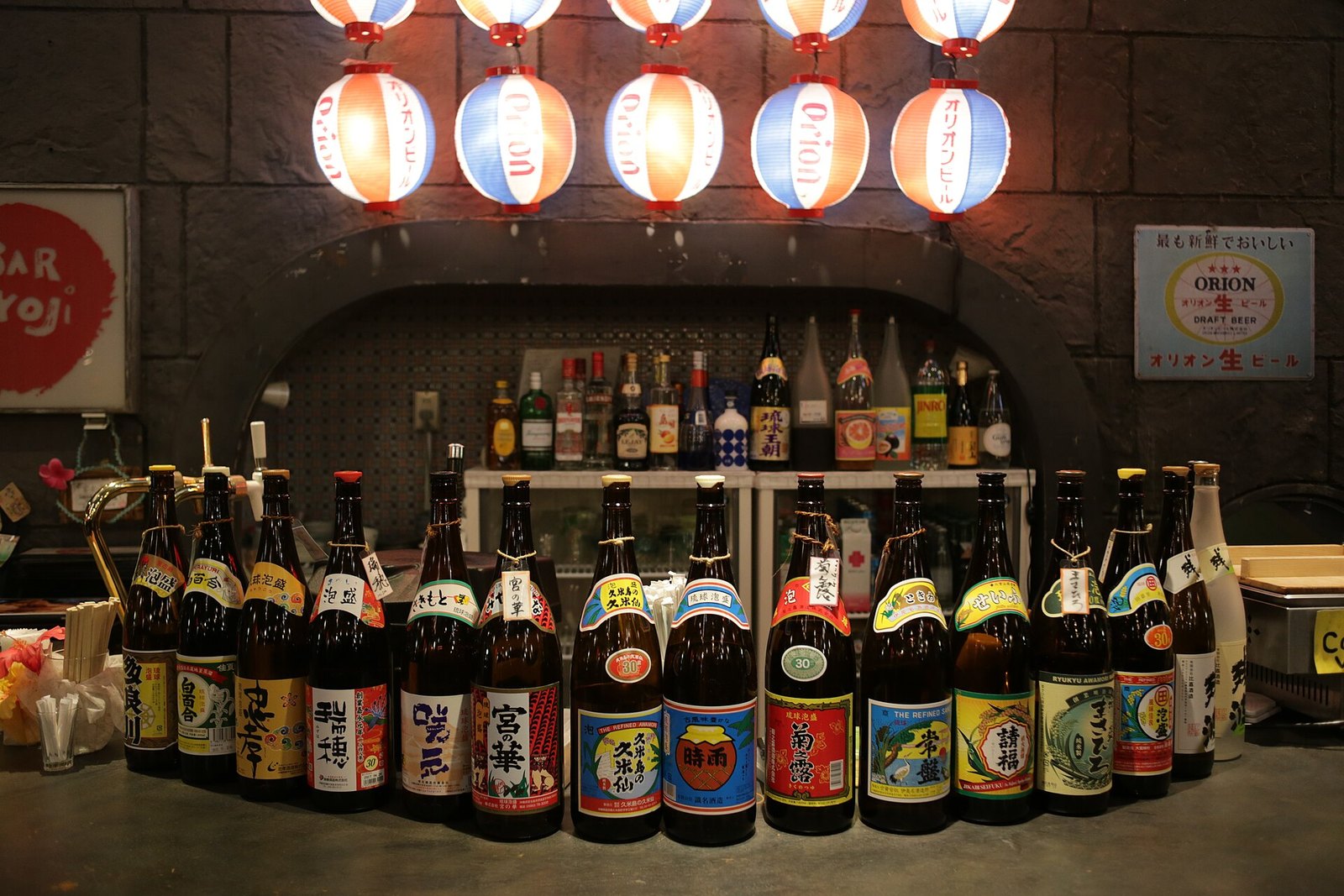
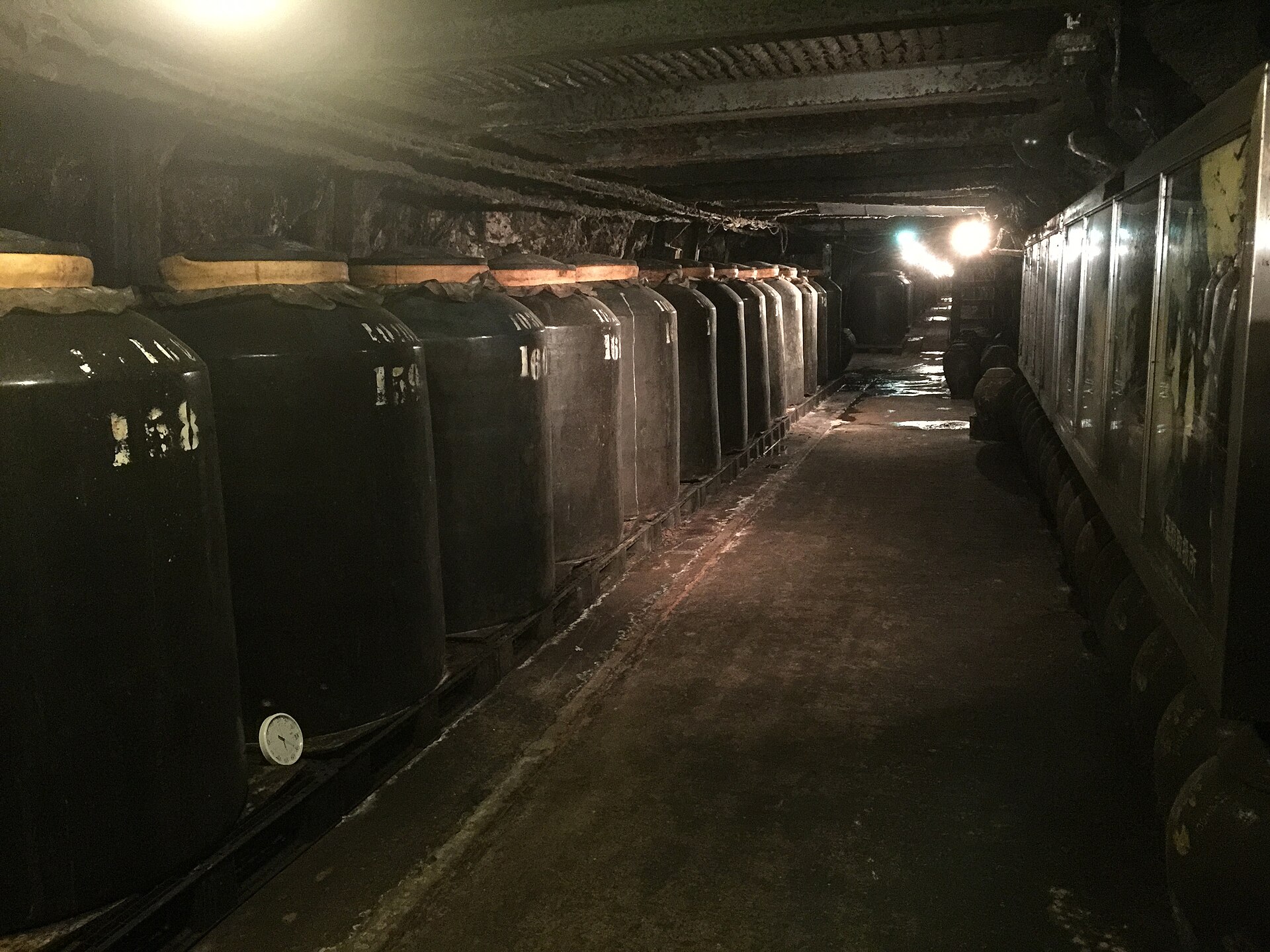
Awamori is Okinawa's distilled spirit: rice is made entirely into koji with black koji mould, fermented as an all-koji mash, then distilled in a pot still.
Long-aged awamori is called kusu, and it has been handed down with shitsugi — the practice of topping up older jars from younger ones. Labeling kusu follows an industry standard.
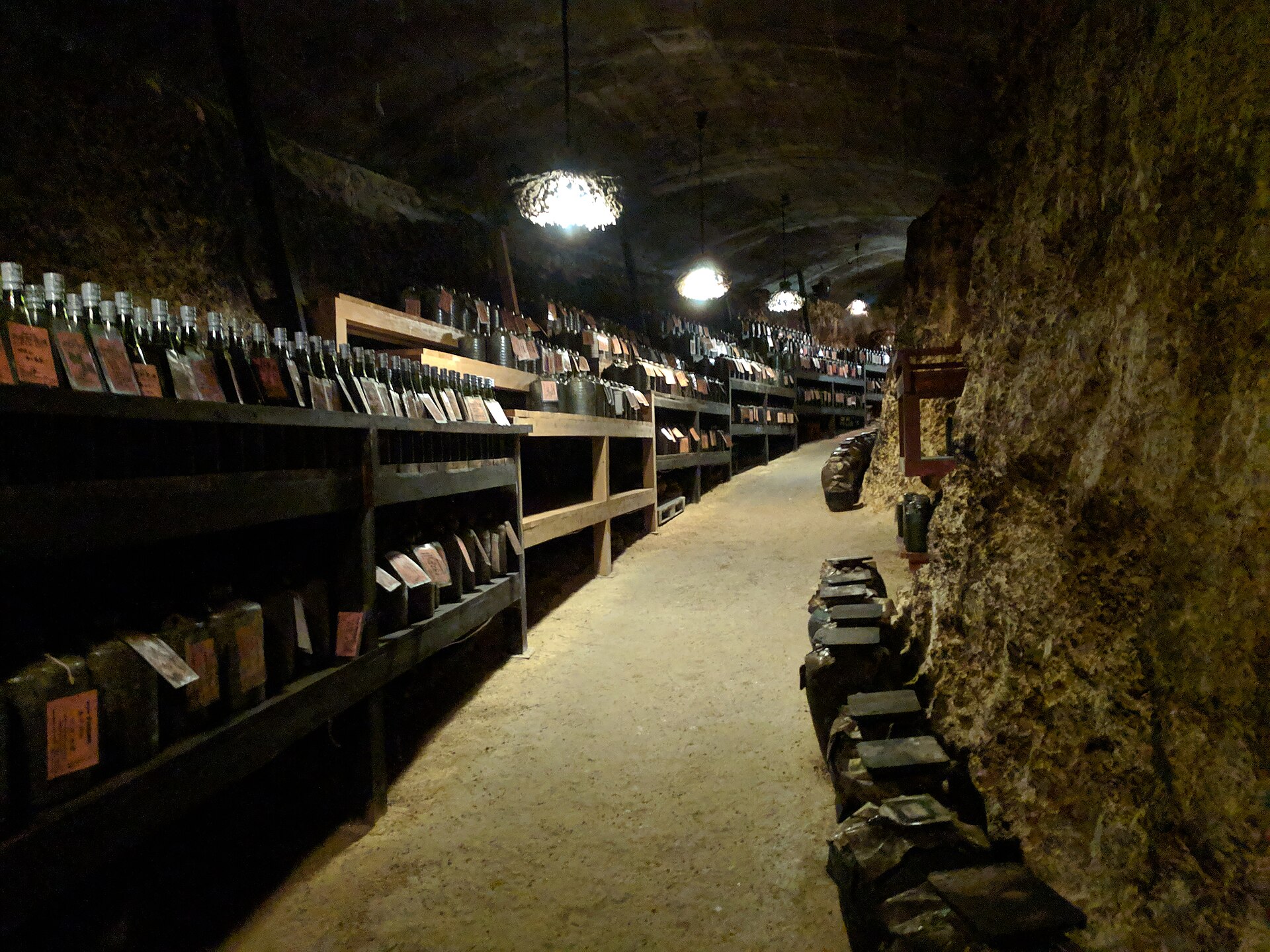
古酒(クース)
Since 1 August 2015, only awamori whose entire contents have been stored for three years or more may be labeled kusu. An age statement must reflect the youngest awamori in the blend.
Source: Okinawa Prefecture Distillers Association ↗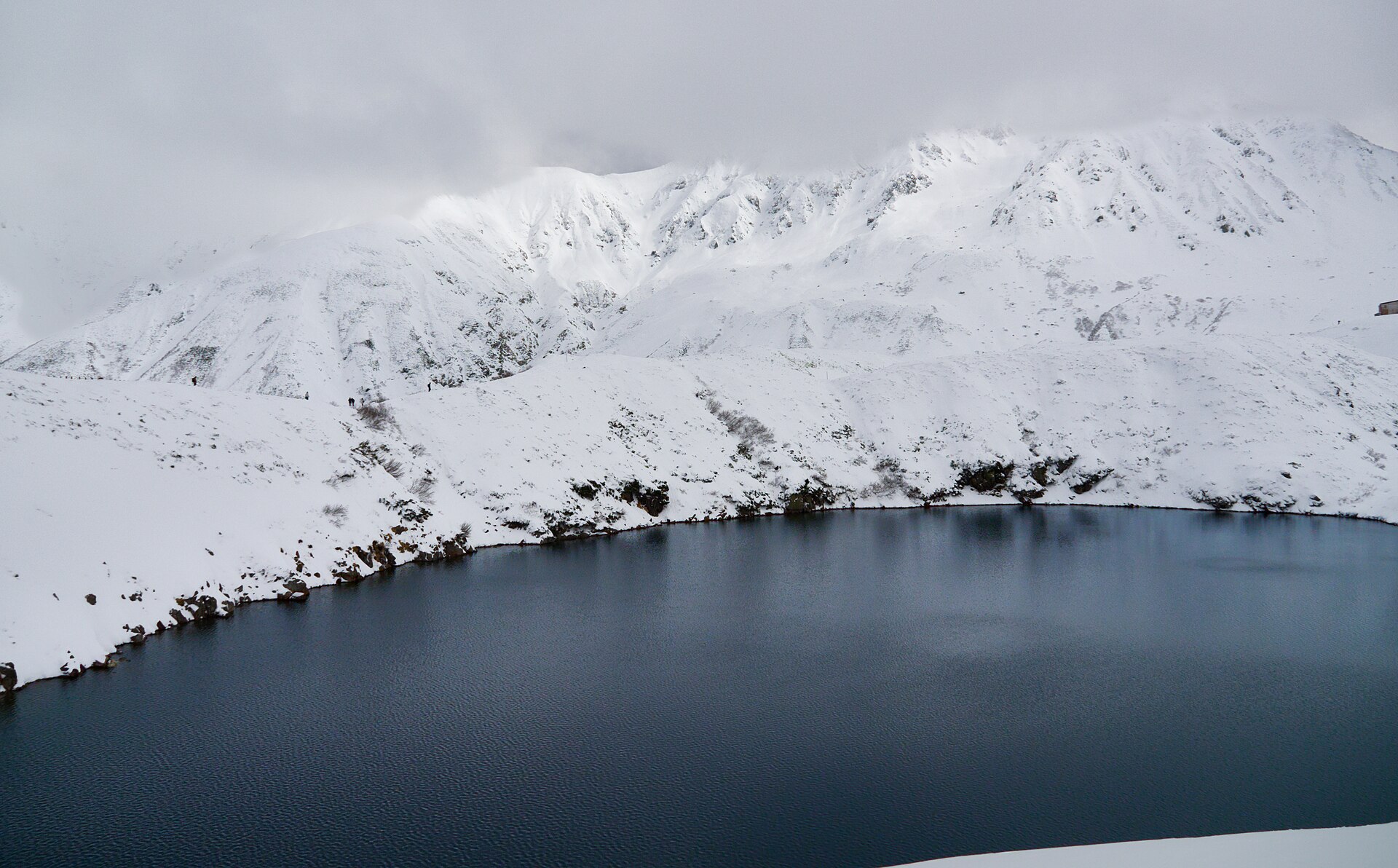
SNOWTATEYAMA, TOYAMA
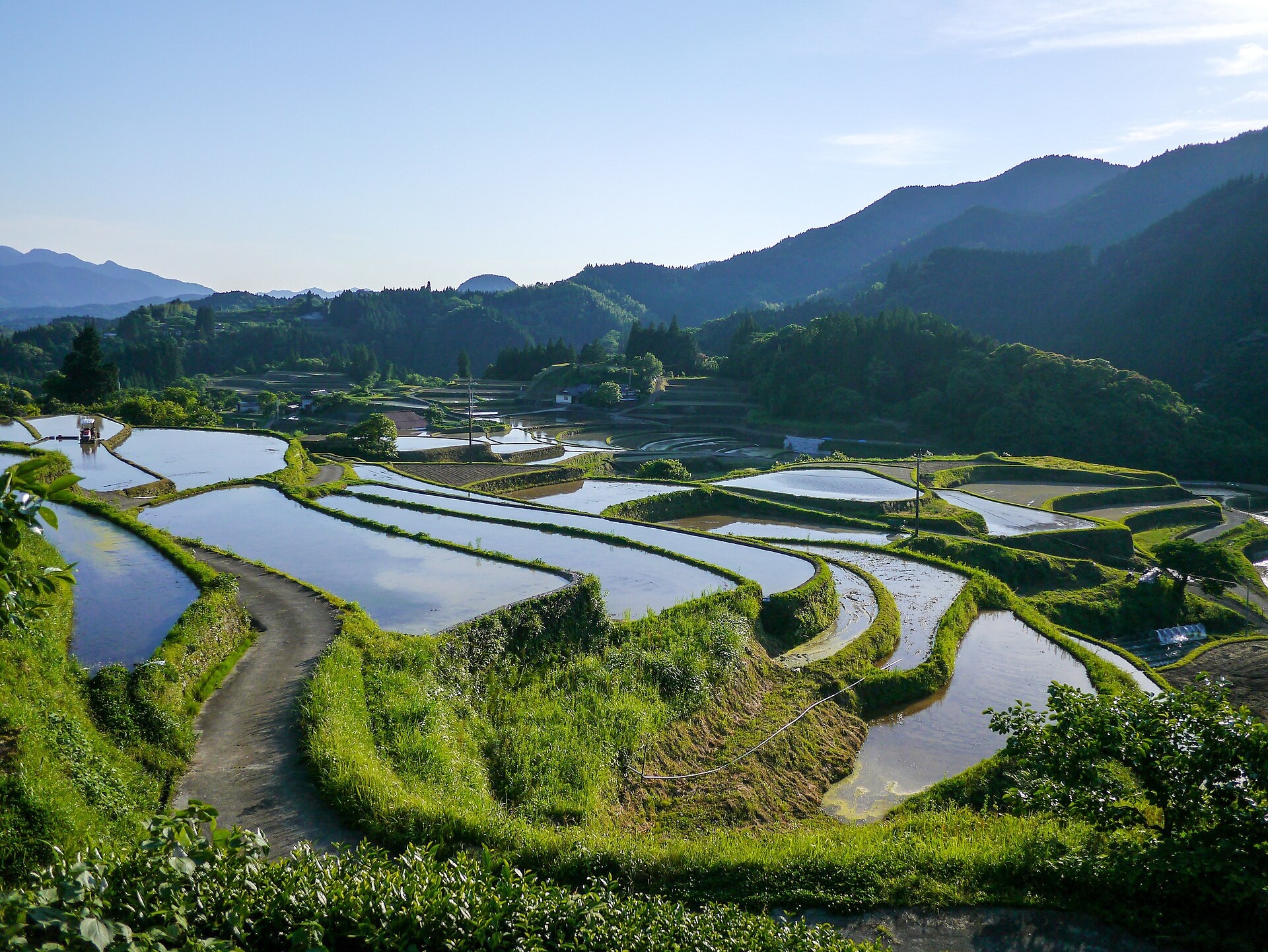
PADDYJAPAN
VINEYARDKATSUNUMA, KOSHU, YAMANASHI
BARLEYHOKKAIDO
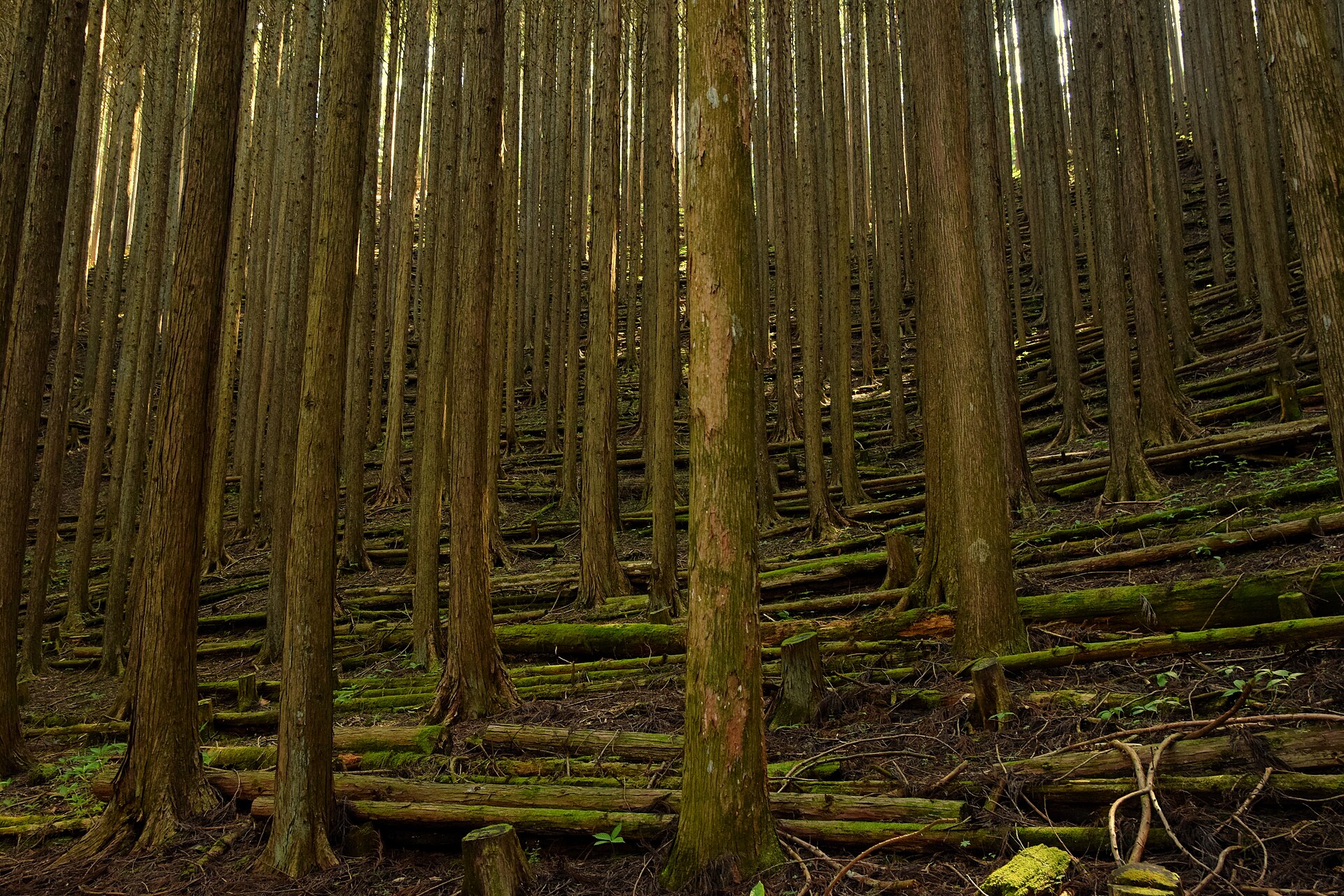
FORESTJAPAN
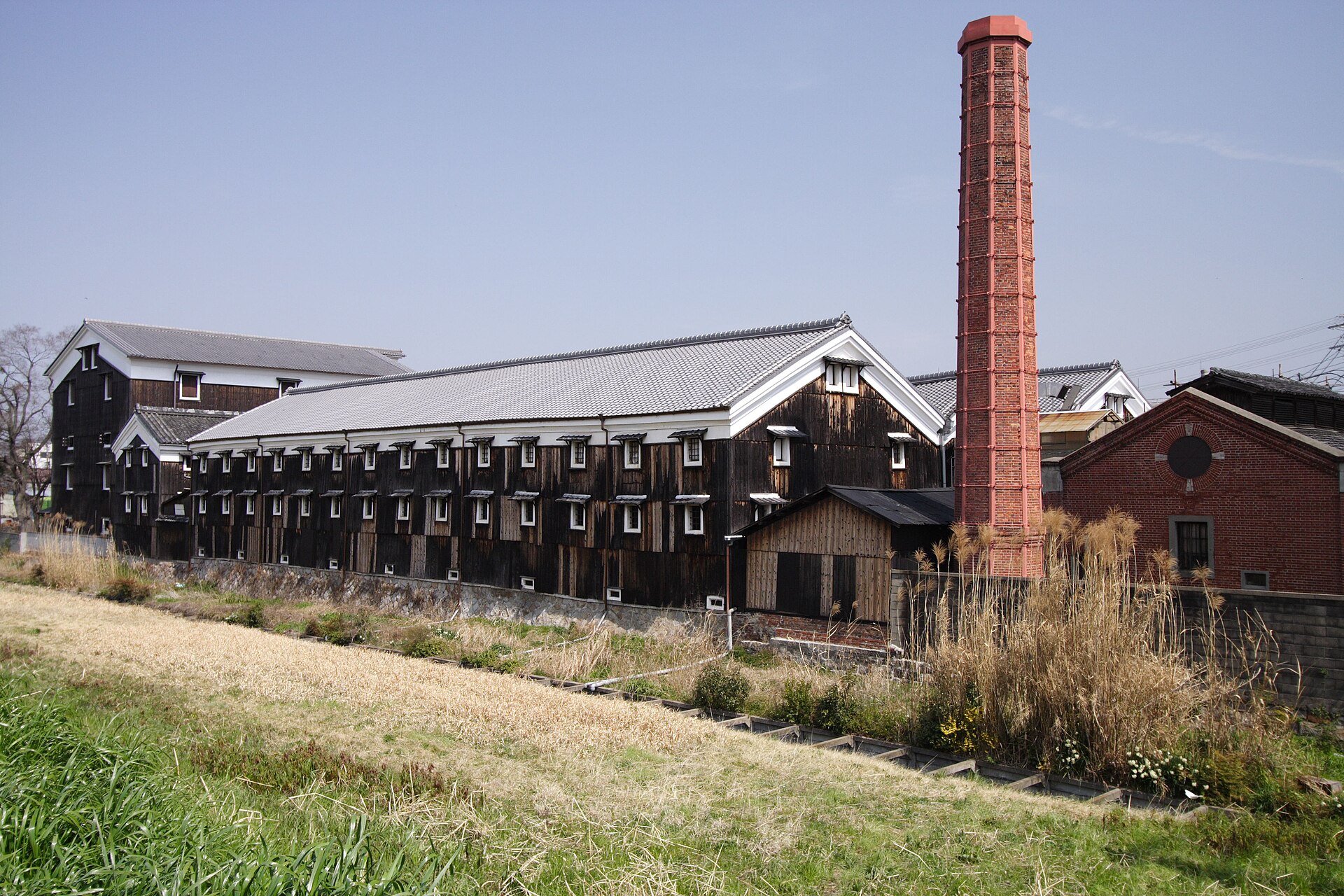
KURAFUSHIMI, KYOTO
DISTILLERYYOICHI, HOKKAIDO
OKINAWAYAESE, OKINAWA
14EXPLORE BY REGION
Eleven regions, north to south — where differences of climate, water and ingredient become differences in the glass.
1547 PREFECTURES
Dots mark categories on record. Prefectures without dots are still being researched.
01 HOKKAIDO
11 OKINAWA
16LAND AND WATER
We do not apply wine's idea of terroir mechanically to every drink. For sake, shochu and awamori, the relationship between drink and place is recorded as a layering of land, water, ingredient, climate and culture.
WATERSHAPESTHE DRINK.
01 — LAND
Land
Climate, terrain, soil — where the ingredients grow.
02 — WATER
Water
For mashing, washing, dilution — the first ingredient of all.
03 — INGREDIENT
Ingredient
Rice, grapes, barley, sweet potato, brown sugar — what each place has chosen.
04 — CULTURE
Culture
Food, festivals, daily life — where the drink has lived.
17INGREDIENTS
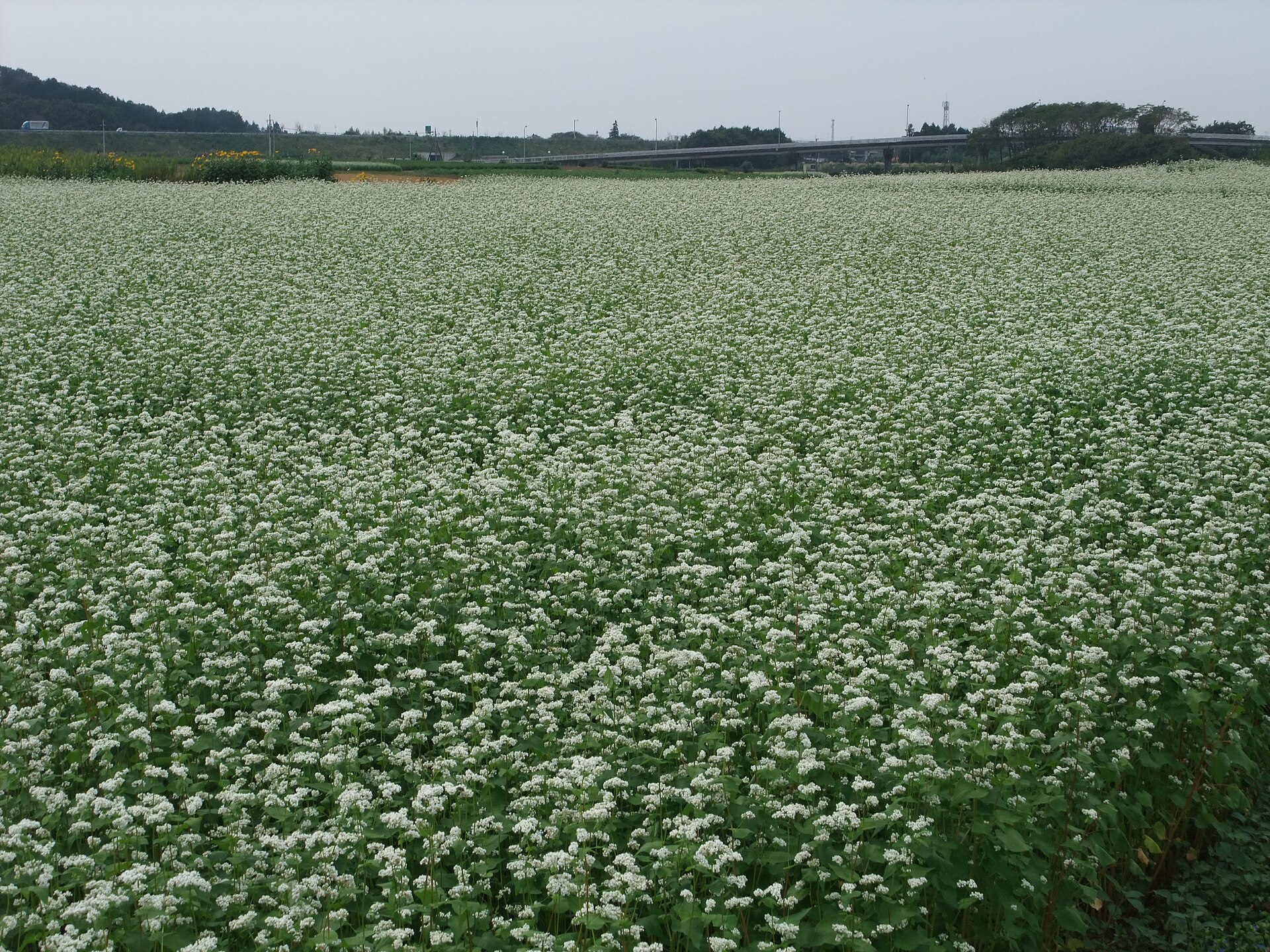
Explore drinks through what they are made of: rice, grapes, barley, hops, sweet potato, koji, water, wood.
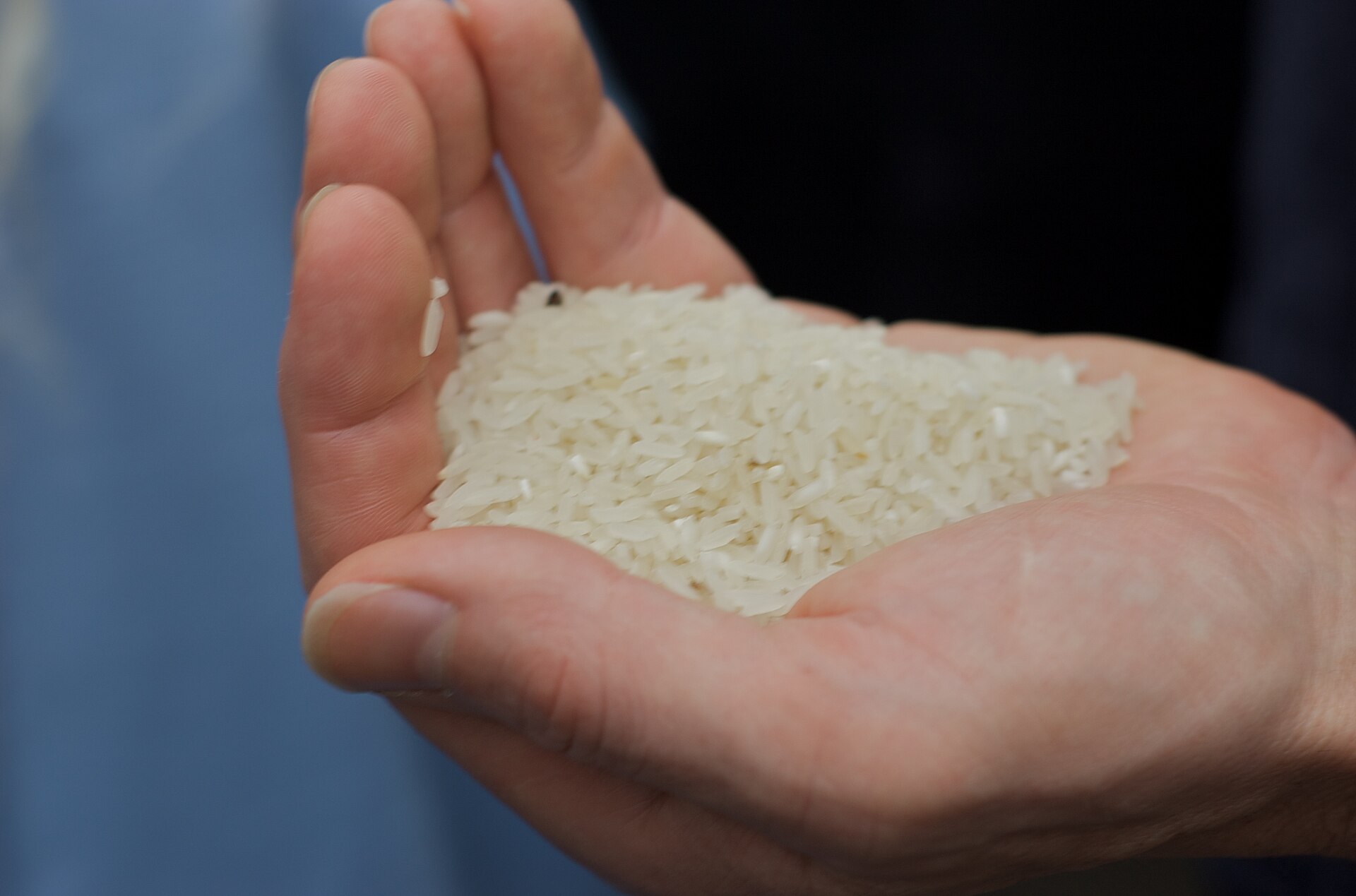
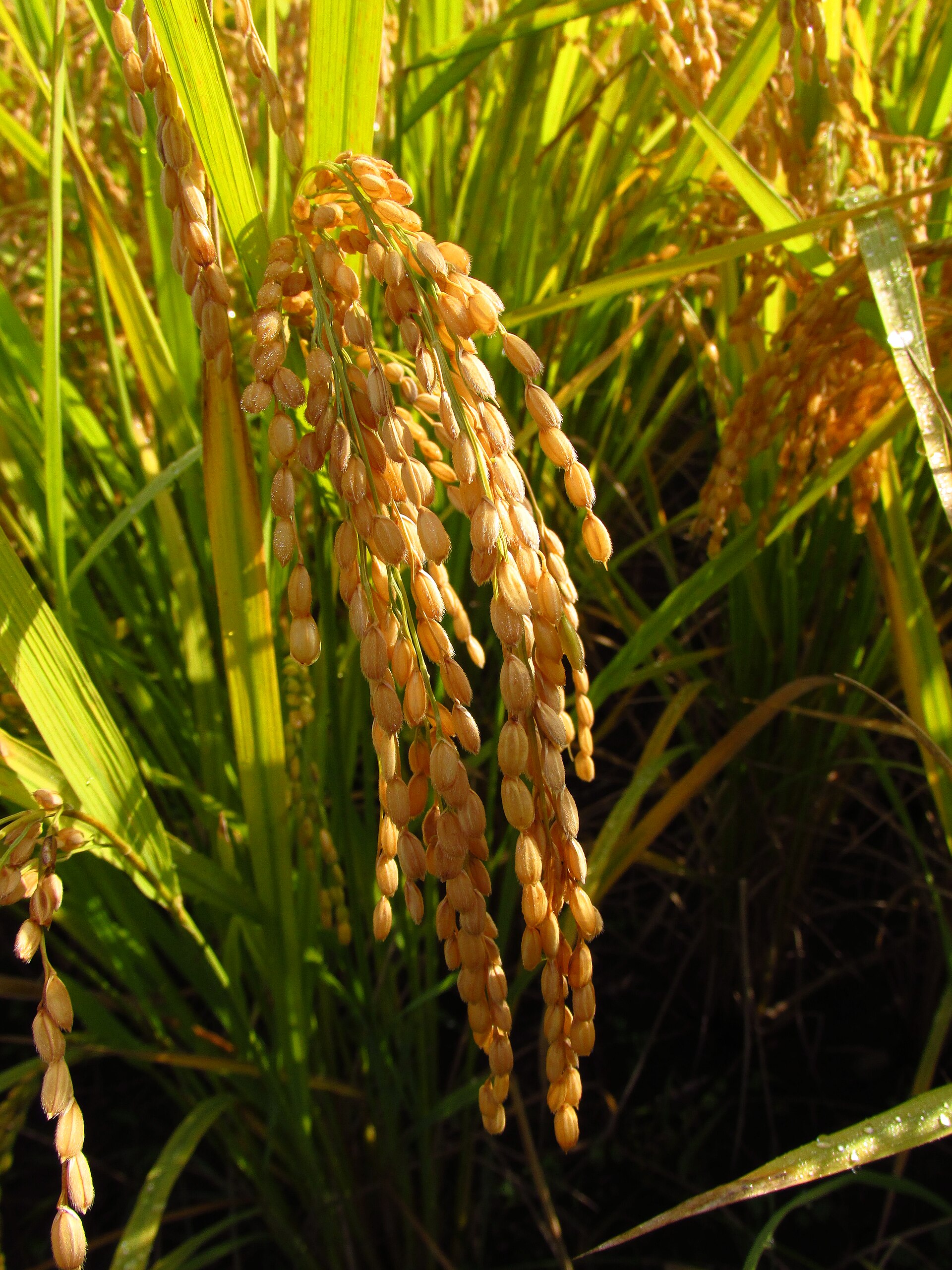
Polished, steamed, turned into koji.
Sake · Shochu · Awamori
Fruit of the land, ripening under the pergola.
Japanese Wine
Malted for beer and whisky; made into koji for shochu.
Craft Beer · Japanese Whisky · Shochu
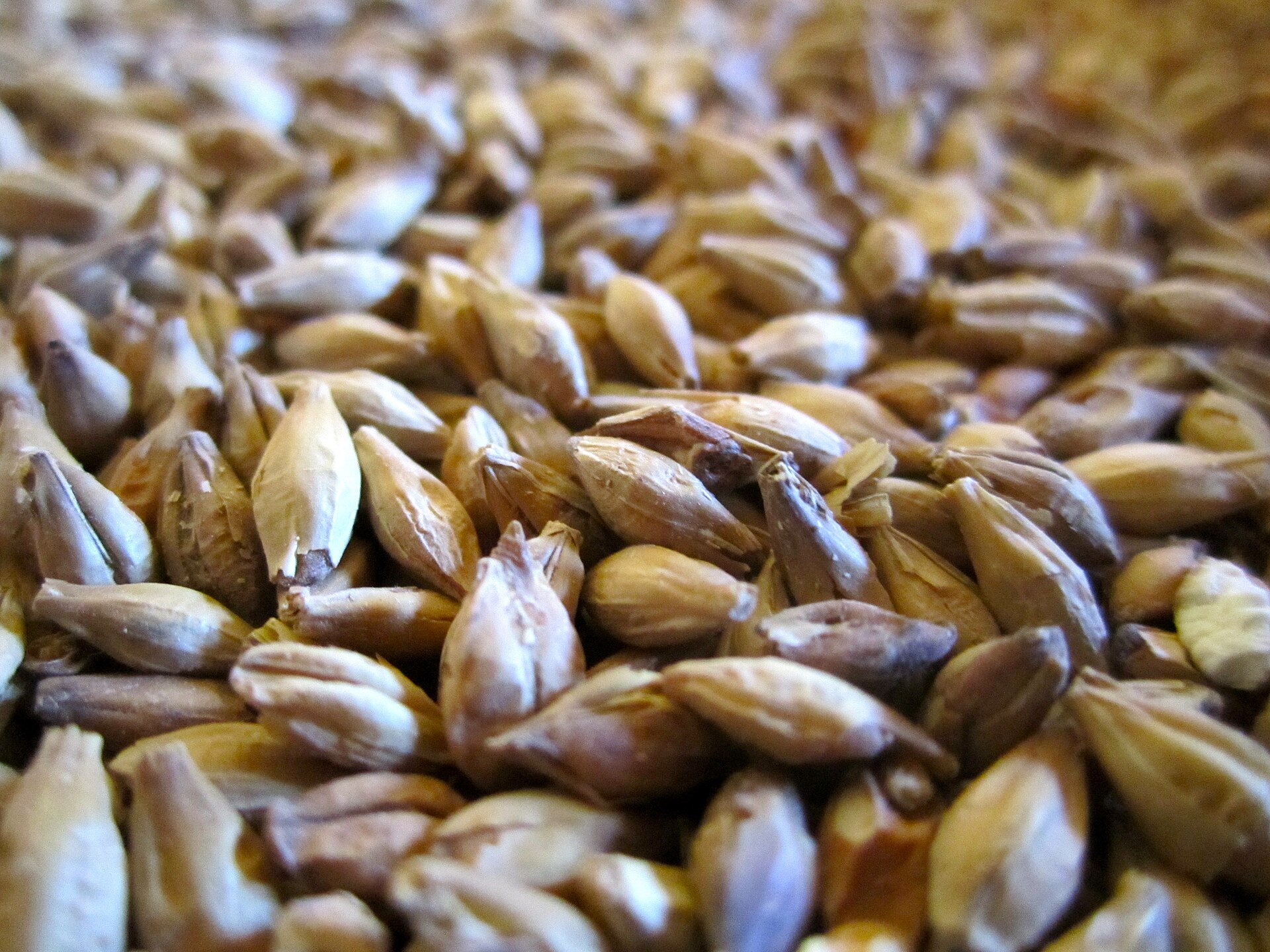
The cone that gives bitterness and aroma.
Craft Beer
From the soil of southern Kyushu.
Shochu
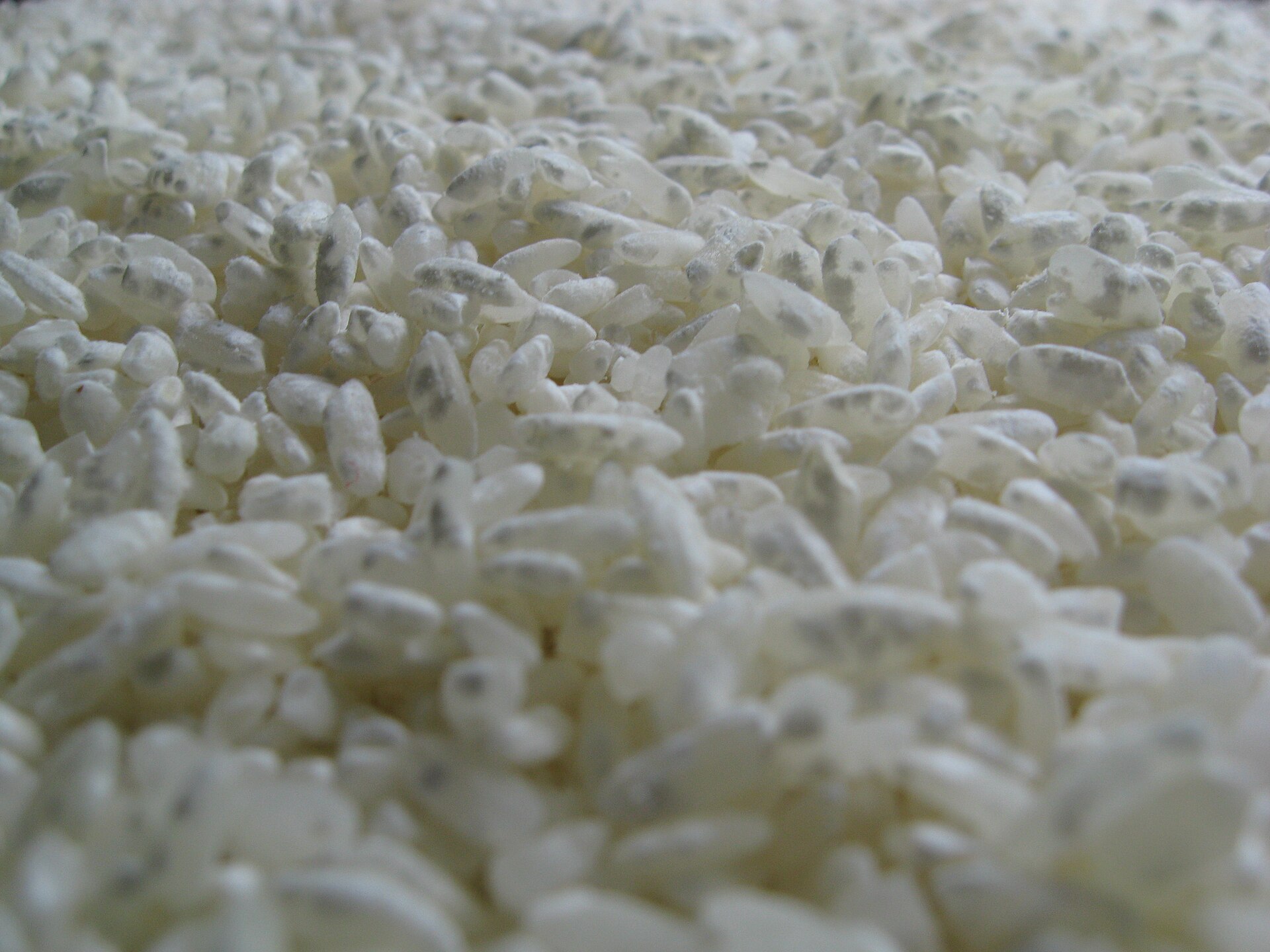
The mould beneath Japanese fermentation.
Sake · Shochu · Awamori
The first ingredient of every drink.
Sake · Japanese Wine · Craft Beer · Japanese Whisky · Shochu · Awamori
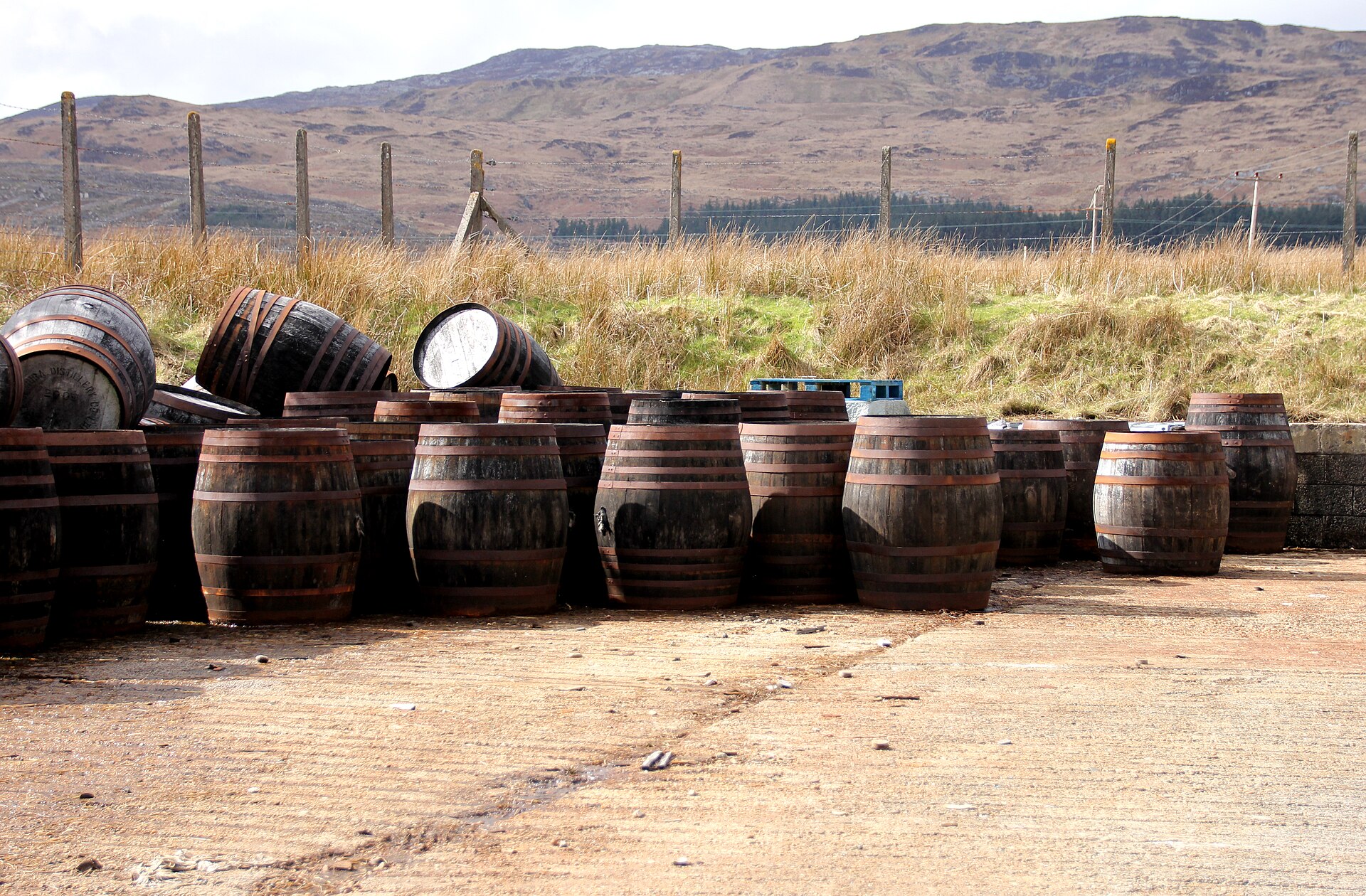
The vessel that holds time.
Japanese Whisky · Sake
18FERMENTATION — 発酵
Sugar becomes alcohol. Every drink begins here.
Sake · Japanese Wine · Craft Beer · Japanese Whisky · Shochu · Awamori
01
Making sugar
Grapes already hold sugar. The starch in rice, barley or sweet potato must first be broken into sugar by enzymes — from koji, or from malt.
02
Multiple parallel fermentation
In sake, saccharification by koji and fermentation by yeast run side by side in the same tank. Beer ferments wort after mashing is complete; wine ferments the grape's own sugar directly.
03
As a brewed drink
Pressed or filtered after fermentation, the result is a brewed drink — sake, wine, beer.
19DISTILLATION — 蒸留
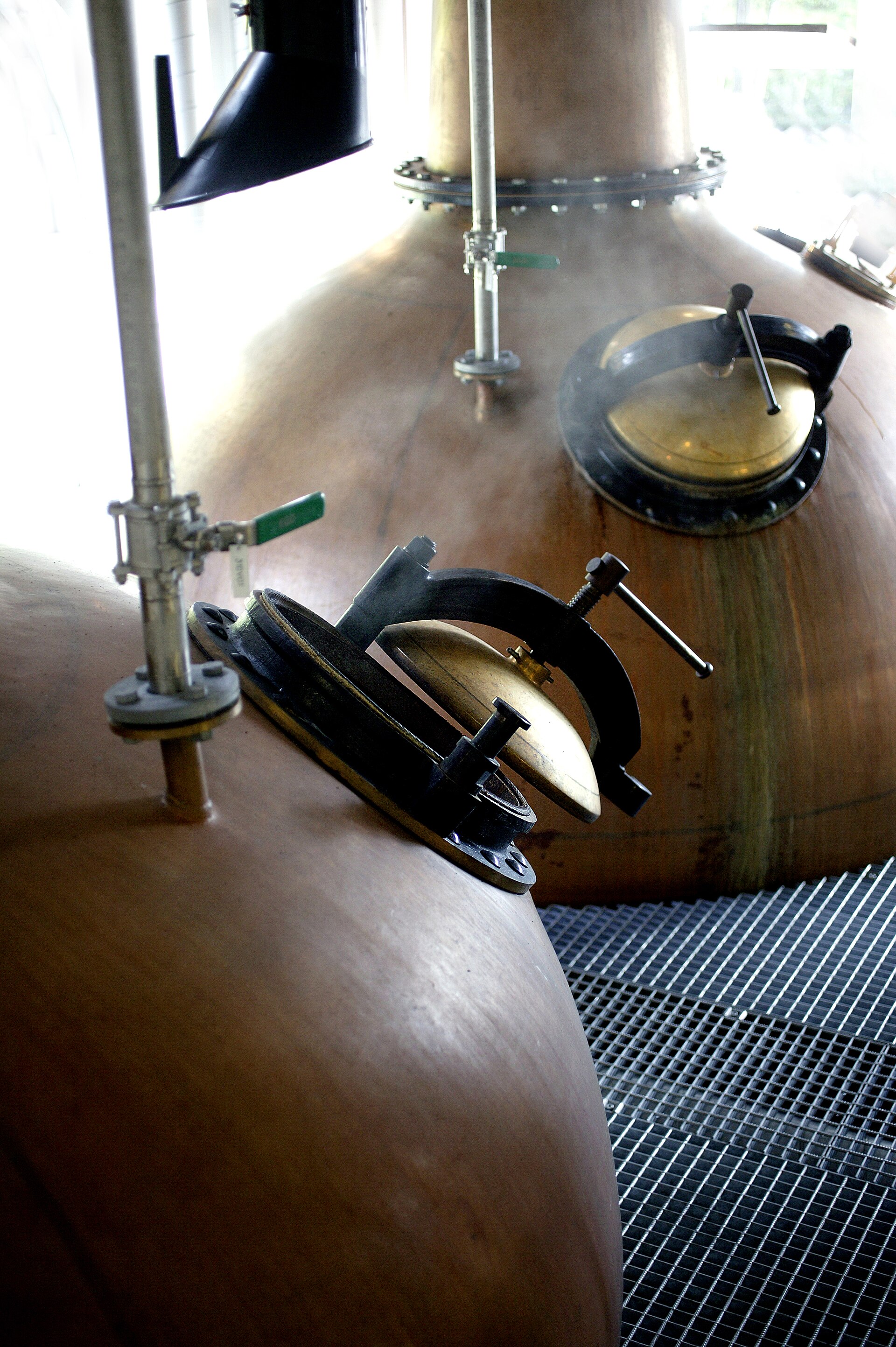
Heat, copper and steam draw spirit and aroma from the mash.
Japanese Whisky · Shochu · Awamori
01
Pot (batch) distillation
The mash is heated in a still and the vapour condensed, one batch at a time — a method that tends to retain the ingredient's aromas. Honkaku shochu and awamori are distilled in pot stills.
02
Continuous distillation
Distillation repeats continuously inside a column, efficiently producing high-purity spirit. It is used for grain whisky, among others.
03
As a distilled spirit
Once distilled, the result is a spirit — whisky, shochu, awamori. The process differs fundamentally from that of brewed drinks.
20MATURATION — 熟成
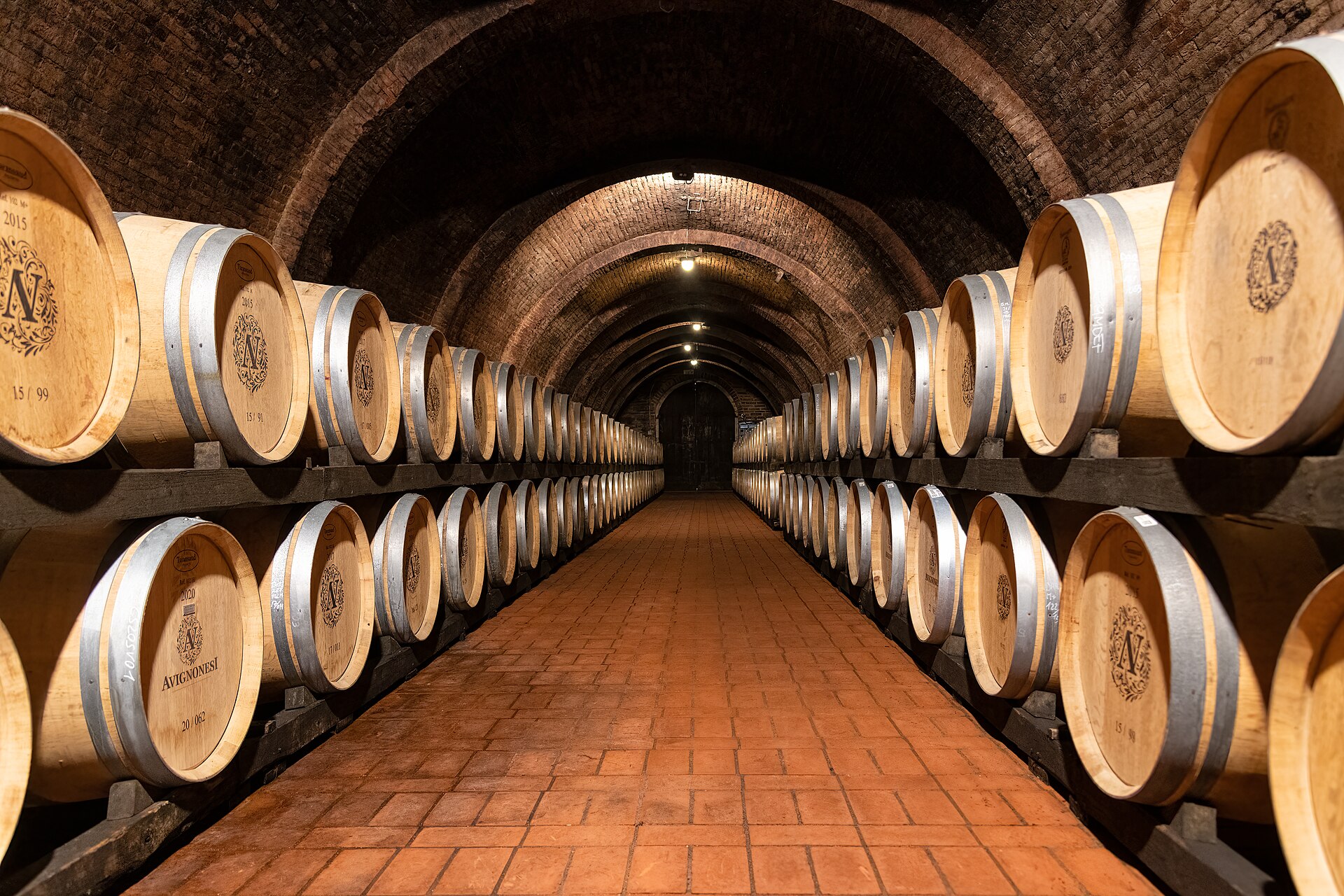
Cask, jar, bottle, cellar. Time is an ingredient too.
Japanese Whisky · Awamori · Japanese Wine · Shochu · Sake
01
Cask
Whisky matures in wooden casks. The wood, what the cask held before and where it rests all shape how it matures.
02
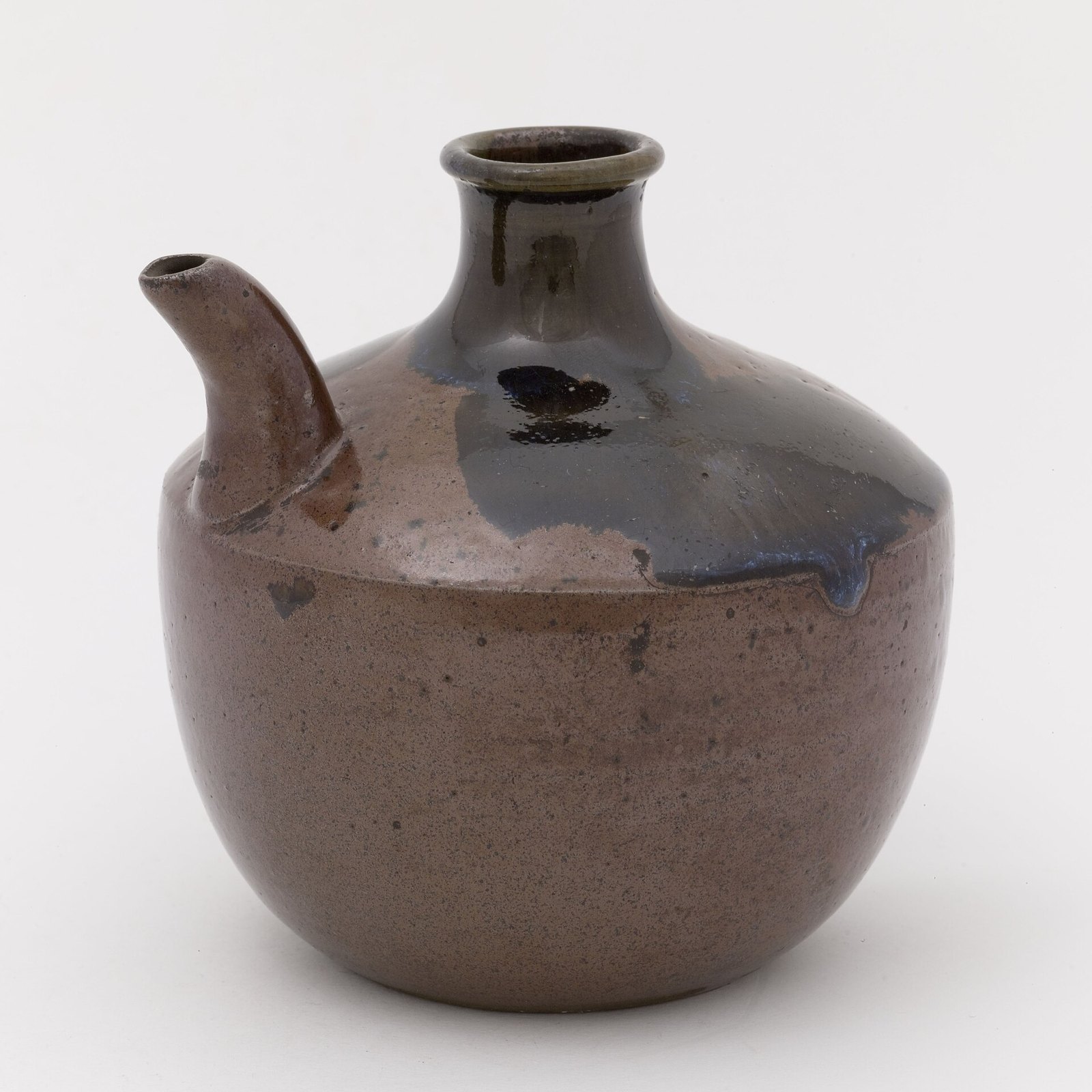
Clay jar
Awamori rested long in clay jars and other vessels becomes kusu. The practice of shitsugi tops up older jars with younger spirit.
03
Bottle and cellar
Wine, sake and shochu may also be stored or aged before release — the length and method differ by maker and by product.
21THE MAKERS
Toji, winemakers, brewers, distillers, blenders. We never infer a person's career or words — only what an official or cited source records.
TOJI
杜氏
The master brewer. The toji leads the kurabito and oversees every step from raw materials to pressing, storage and maturation. Guilds carry regional names — Nanbu, Echigo, Tanba and others.
Source ↗WINEMAKER
醸造家
The person who guides grapes into wine, between vineyard and cellar.
BREWER
ブルワー
The person who designs and brews beer from malt, hops and yeast.
DISTILLER
蒸留家
The person who distills the mash, drawing out spirit and aroma.
BLENDER
ブレンダー
The person who assembles matured spirits into a single expression.
FOUNDERS ON RECORD
22HISTORY
Only events confirmed against sources appear on this timeline.
EDO
江戸 · 1603–1868
MEIJI
明治 · 1868–1912
TAISHO
大正 · 1912–1926
SHOWA
昭和 · 1926–1989
HEISEI
平成 · 1989–2019
REIWA
令和 · 2019–
23EDITORIAL STORIES
BACKTO THE LAND.
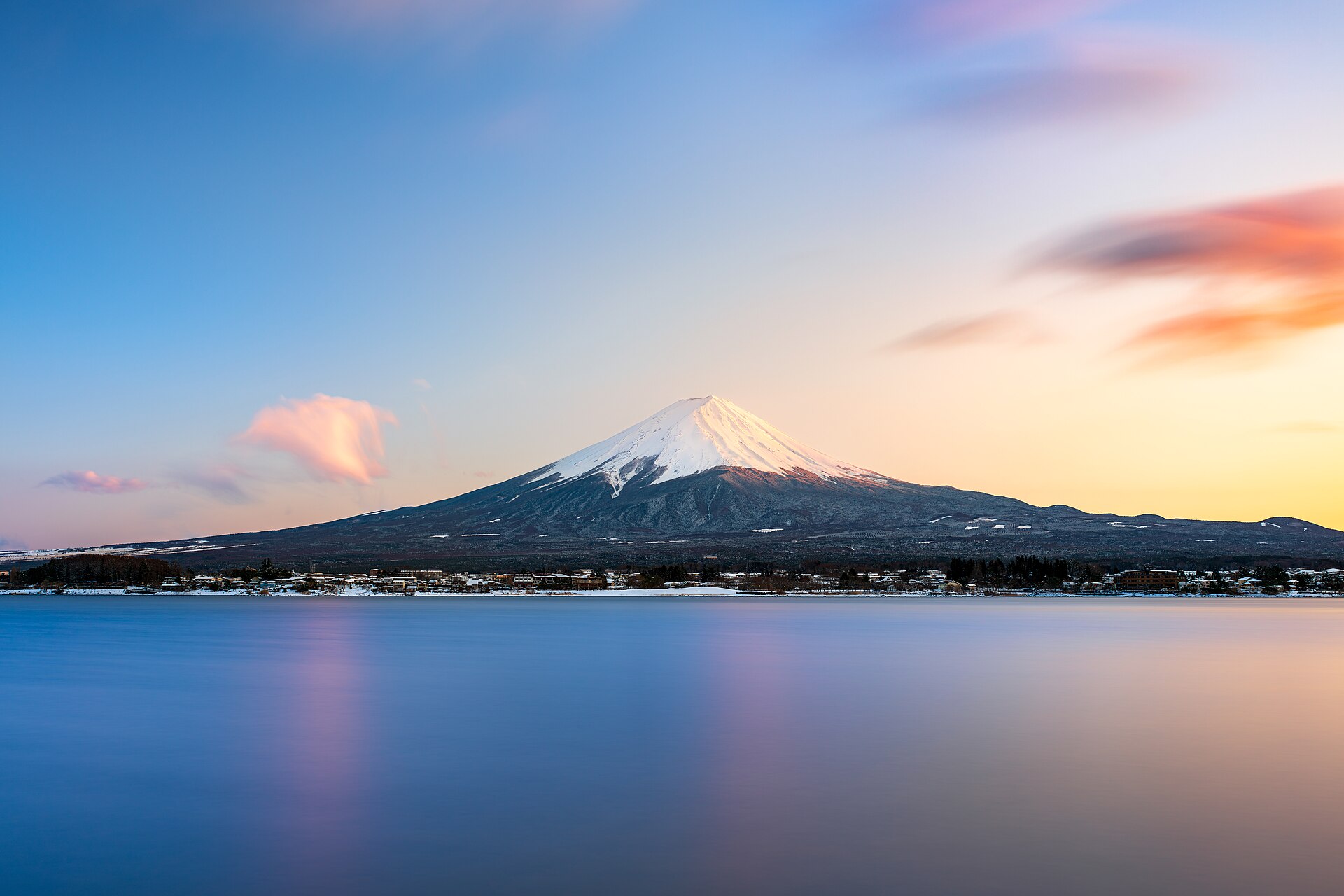
MOUNT FUJI
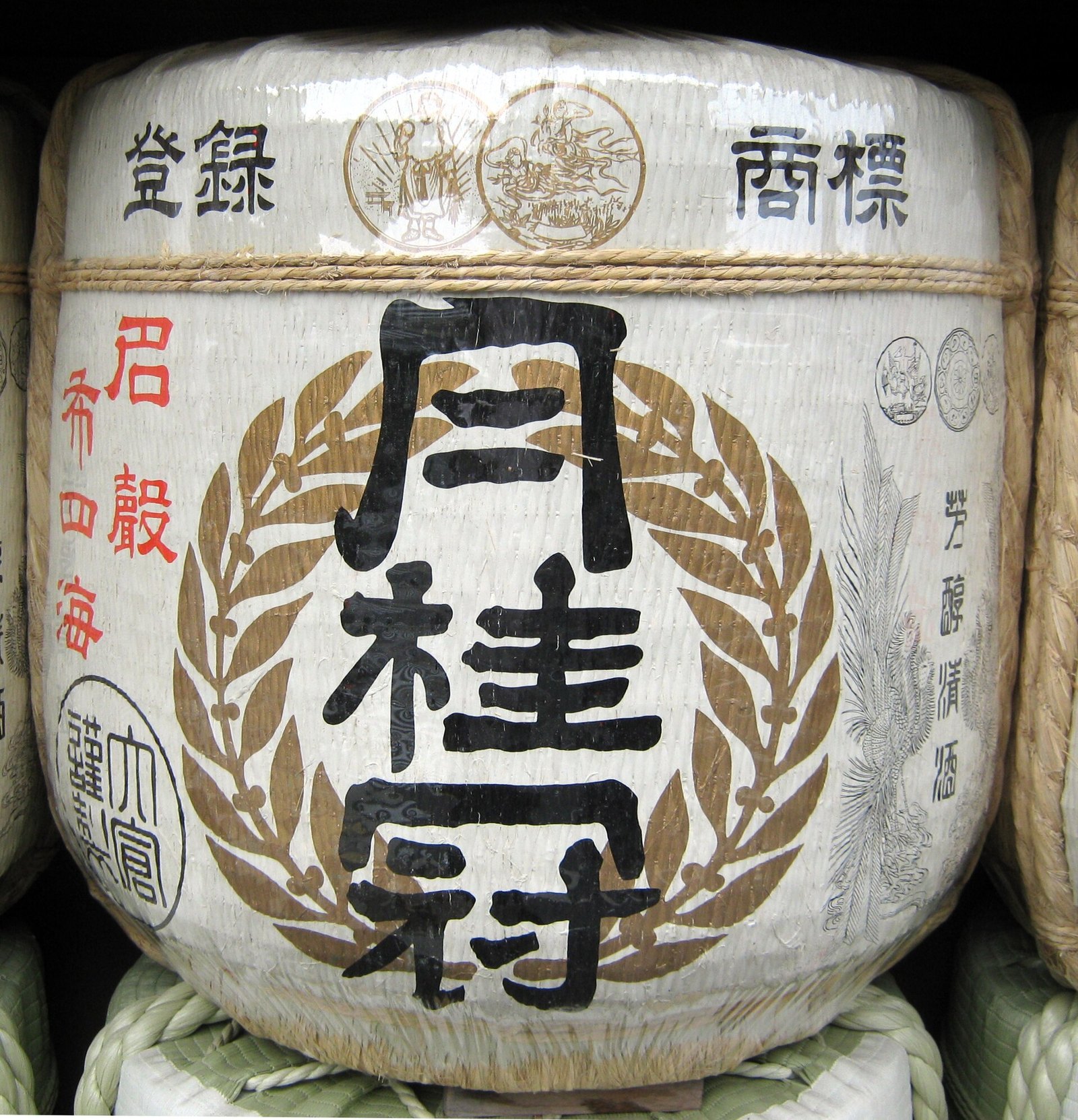
25MAKERS · CELLARS · BARRELS · POT STILLS · WAREHOUSES
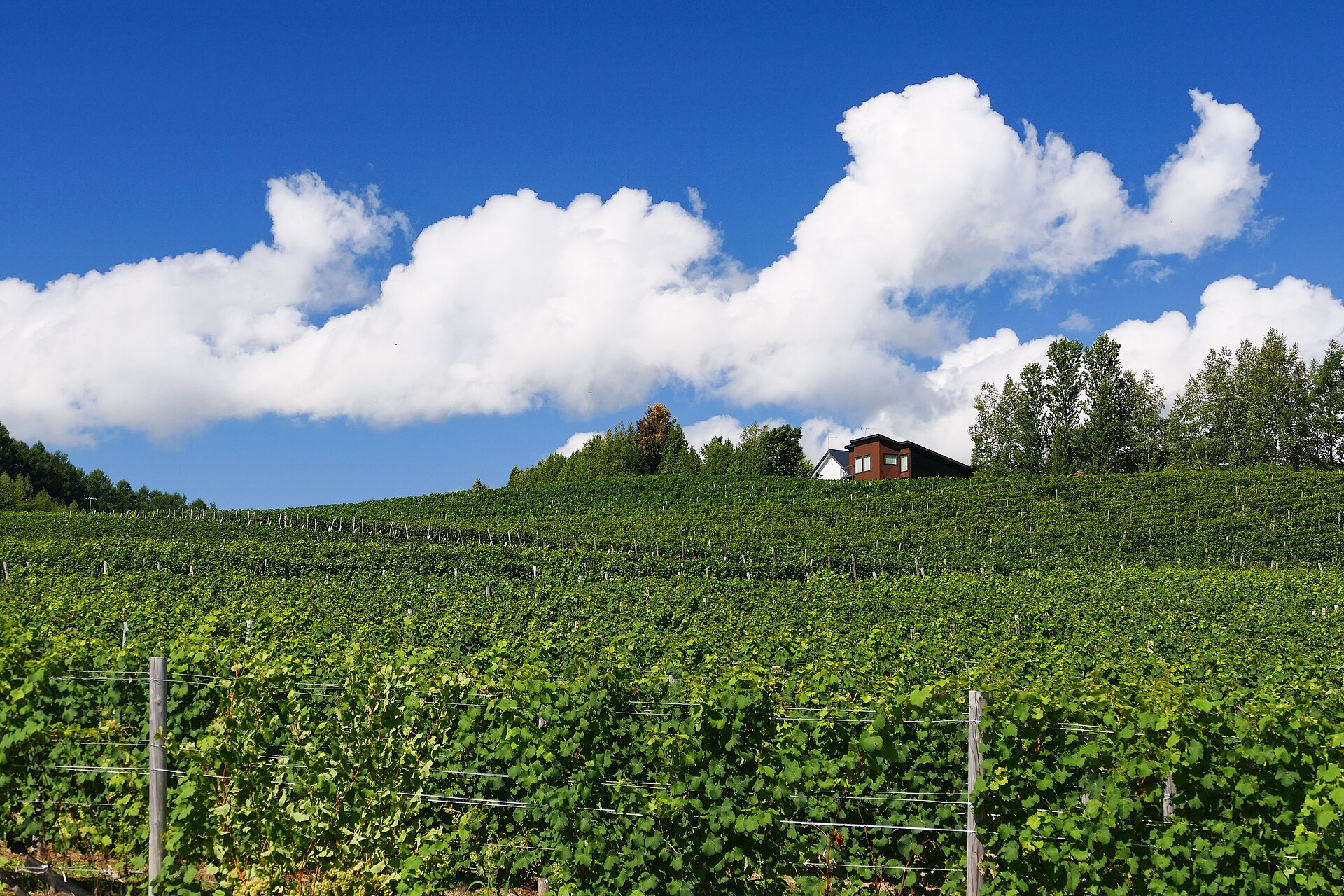
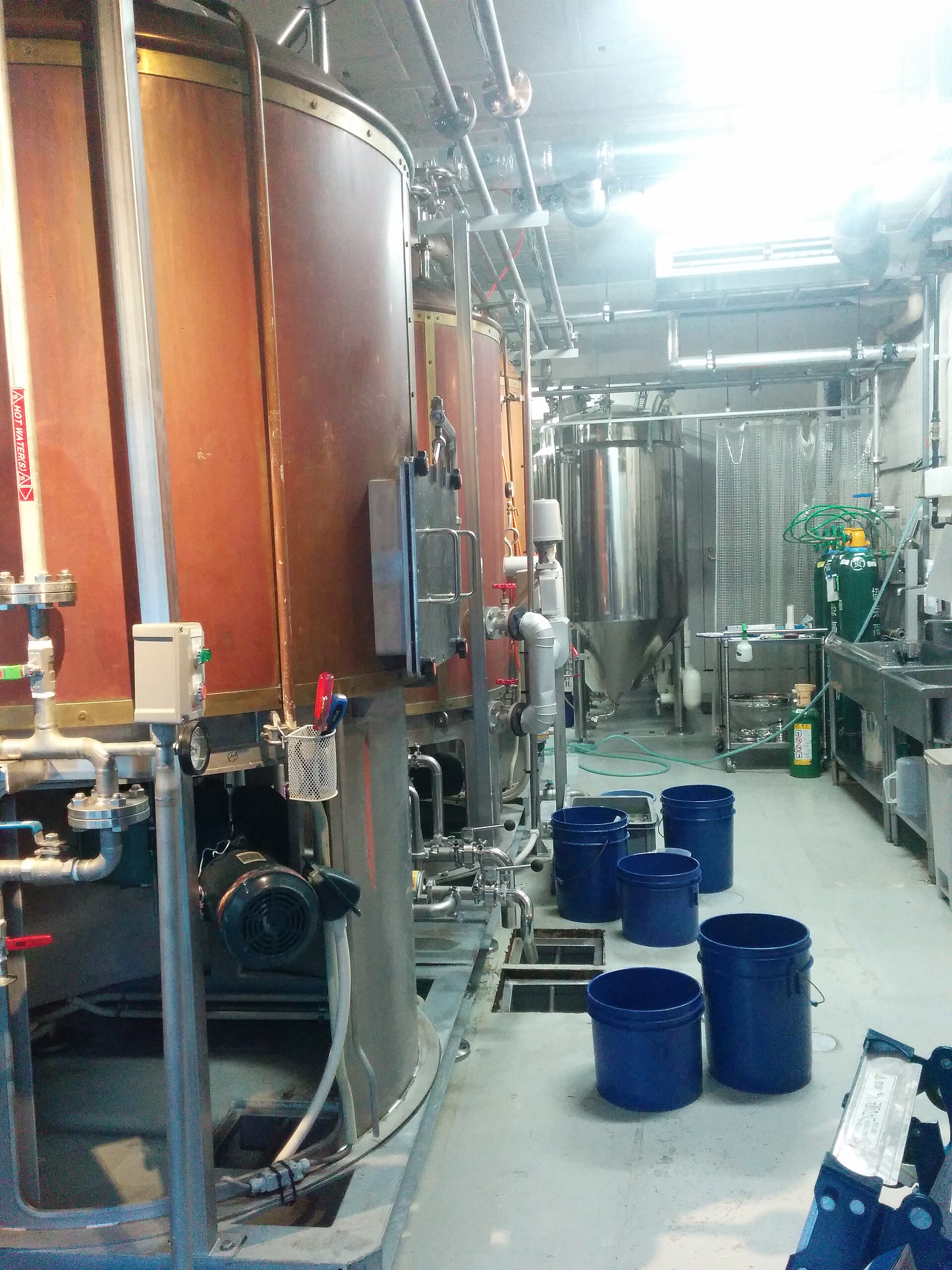
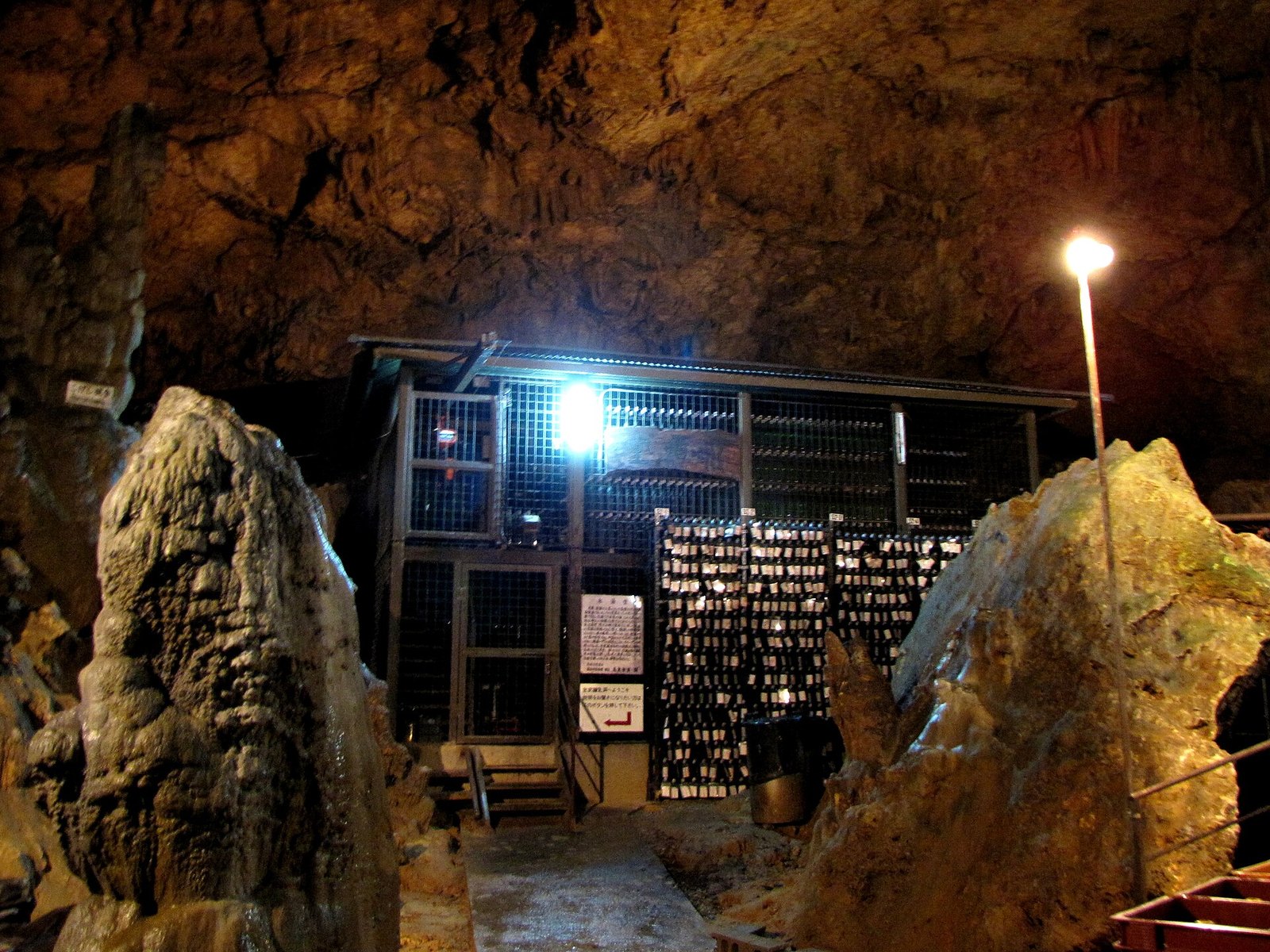
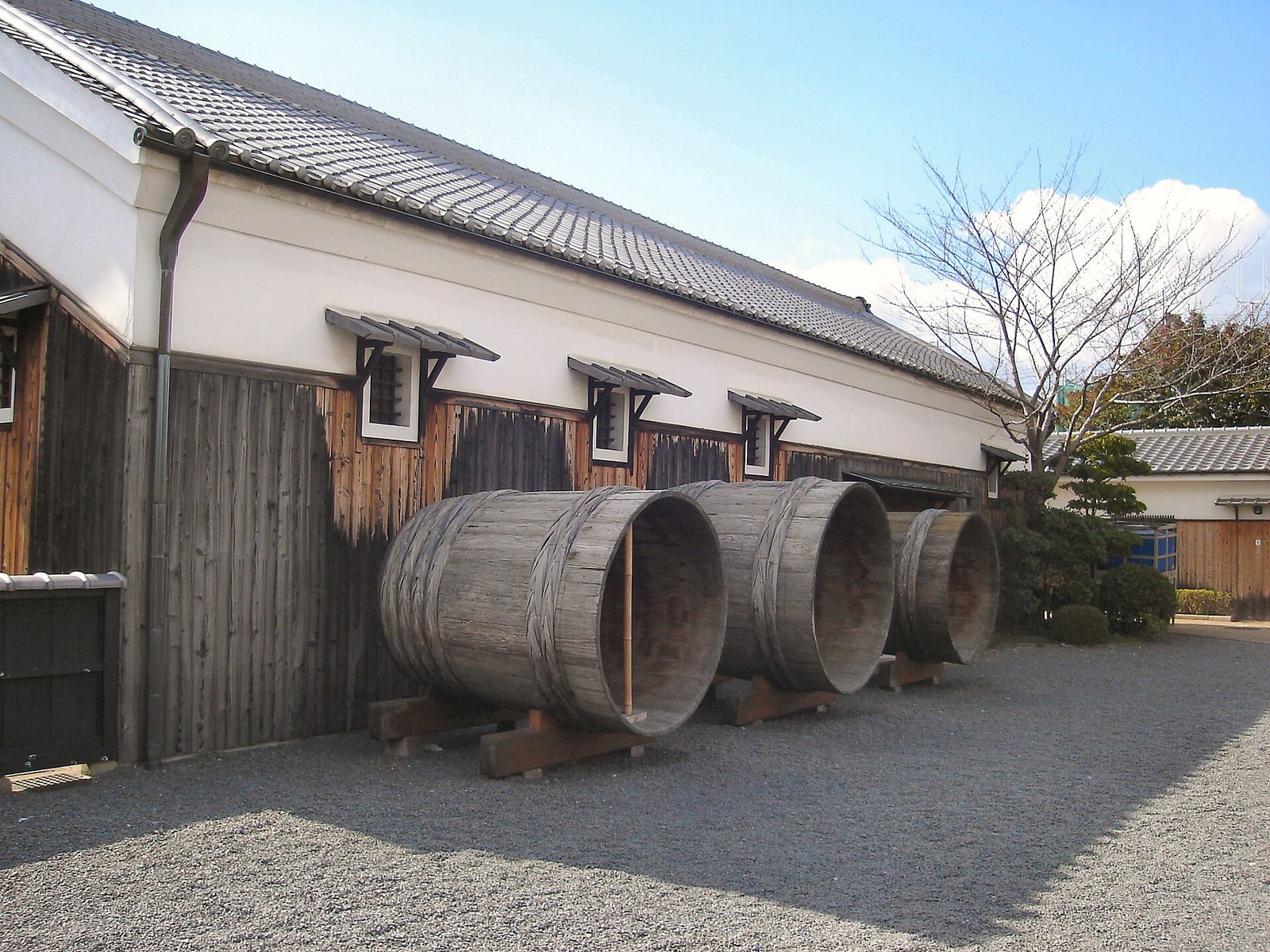
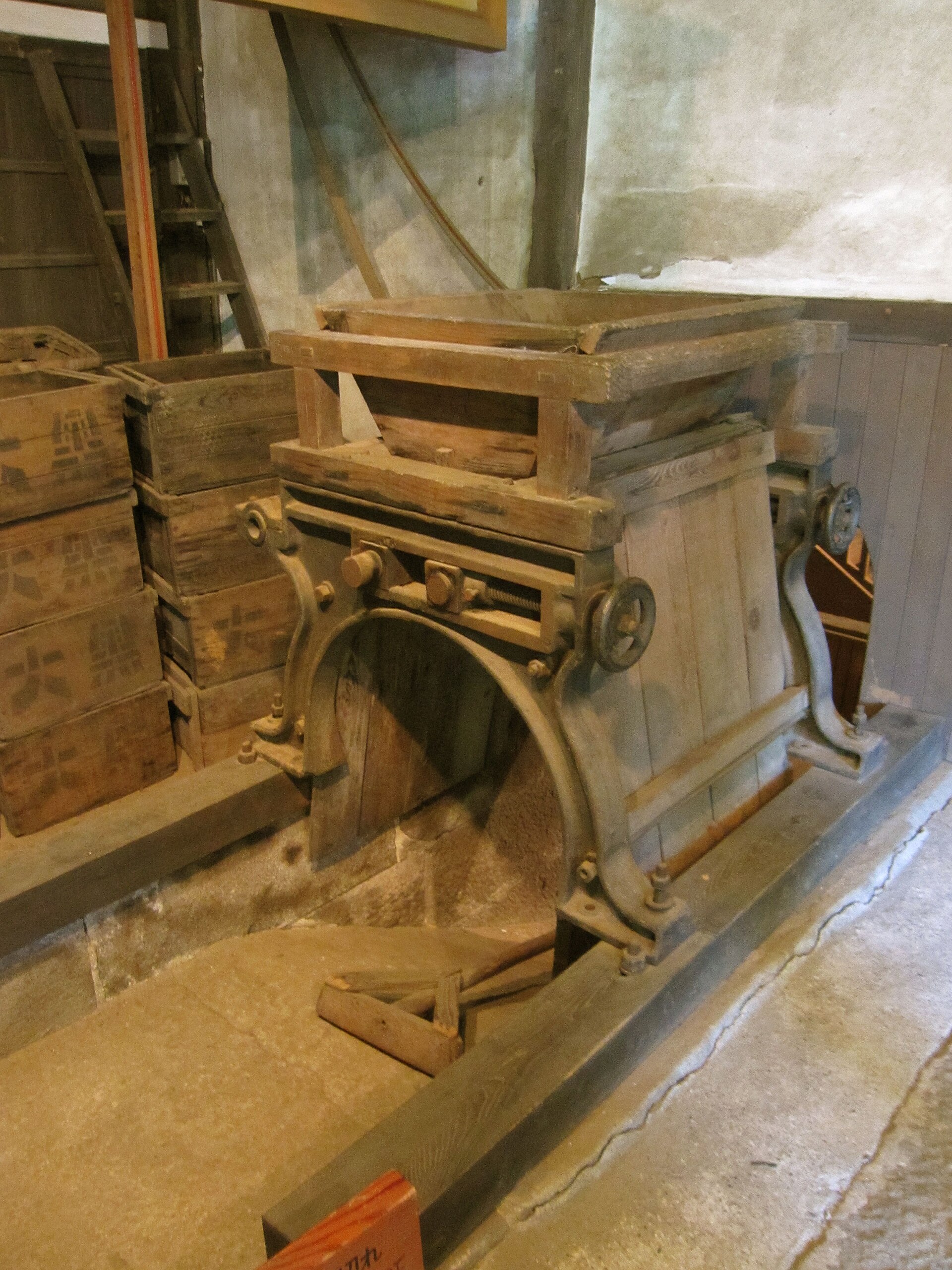
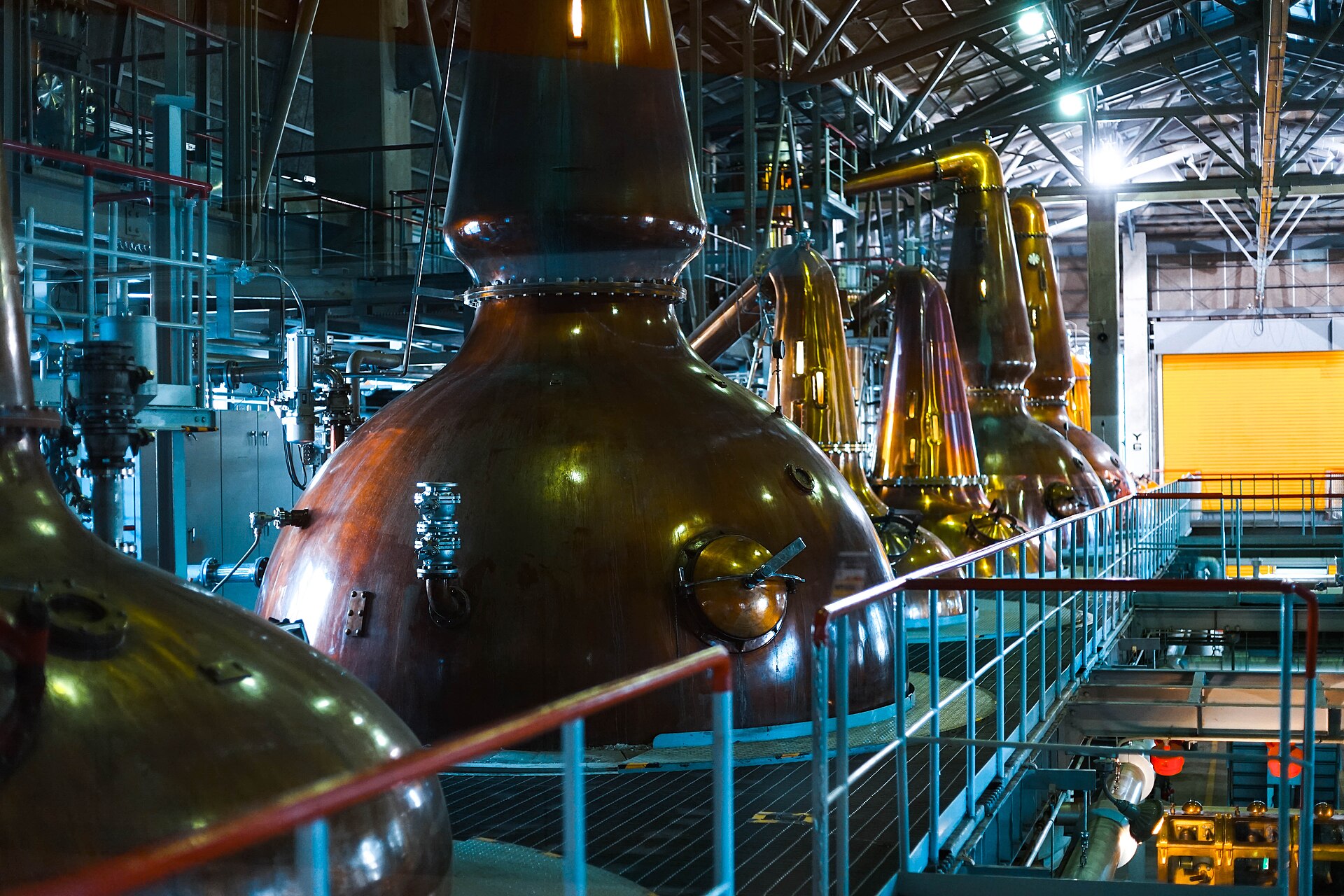
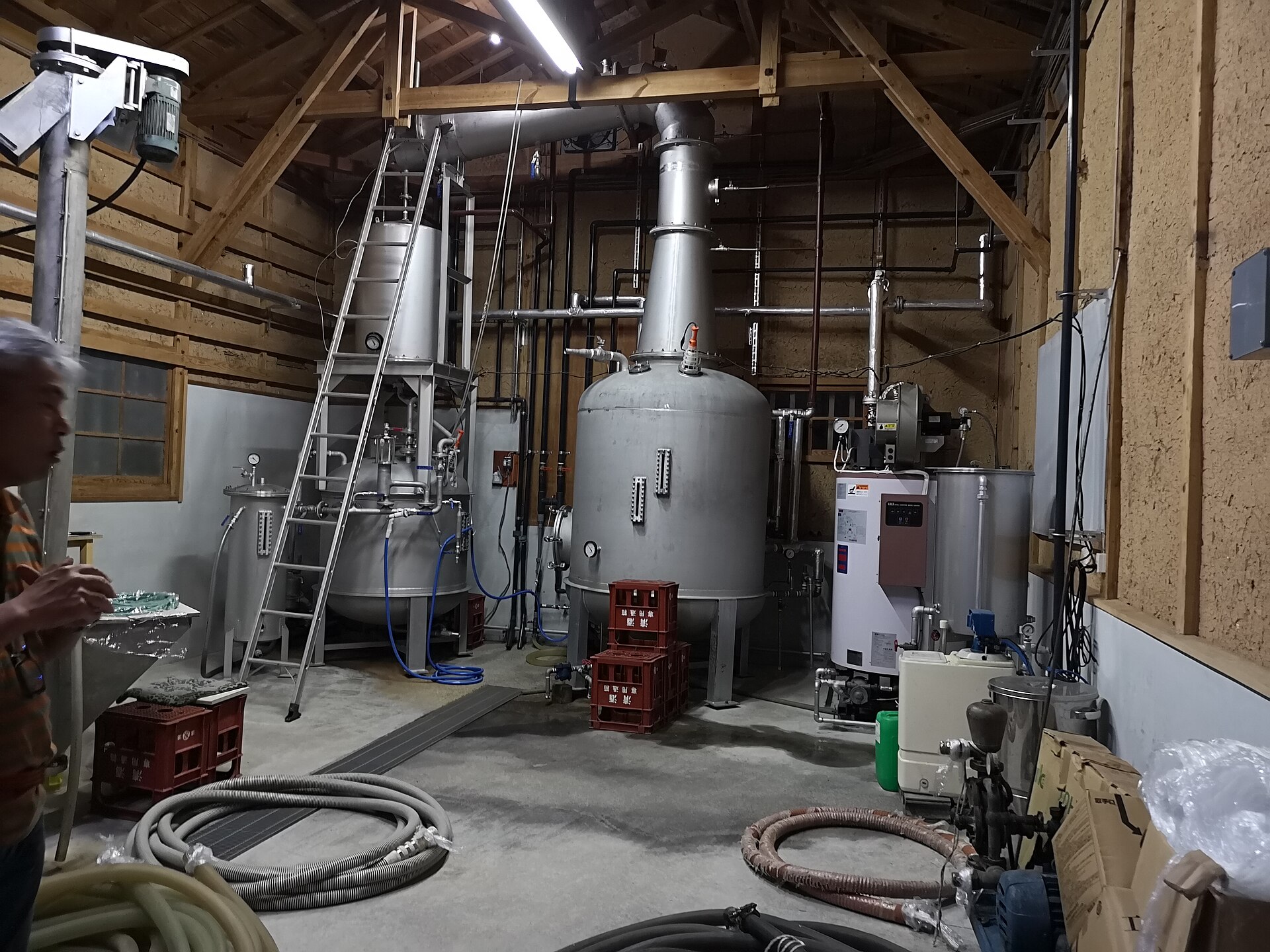
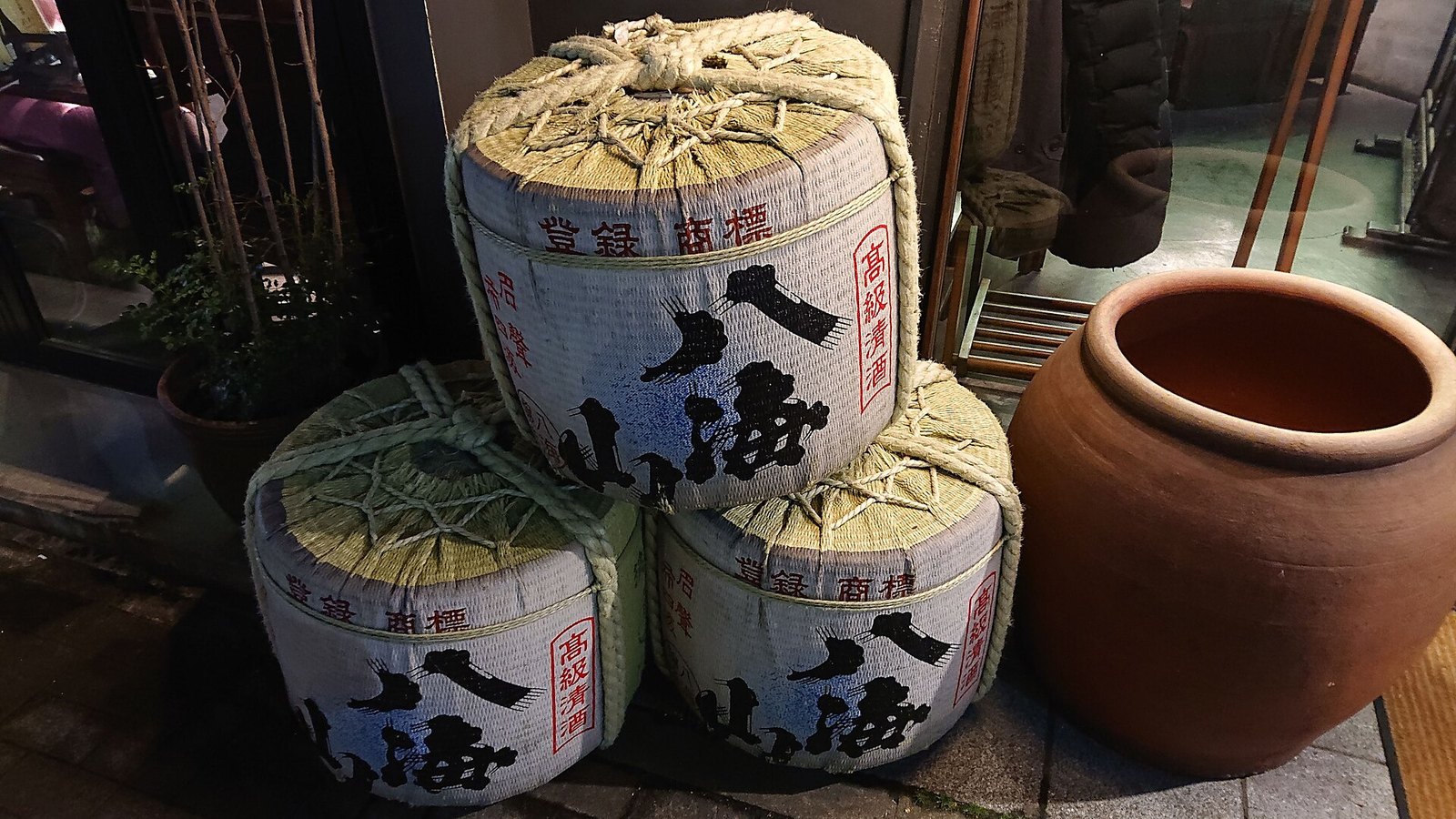
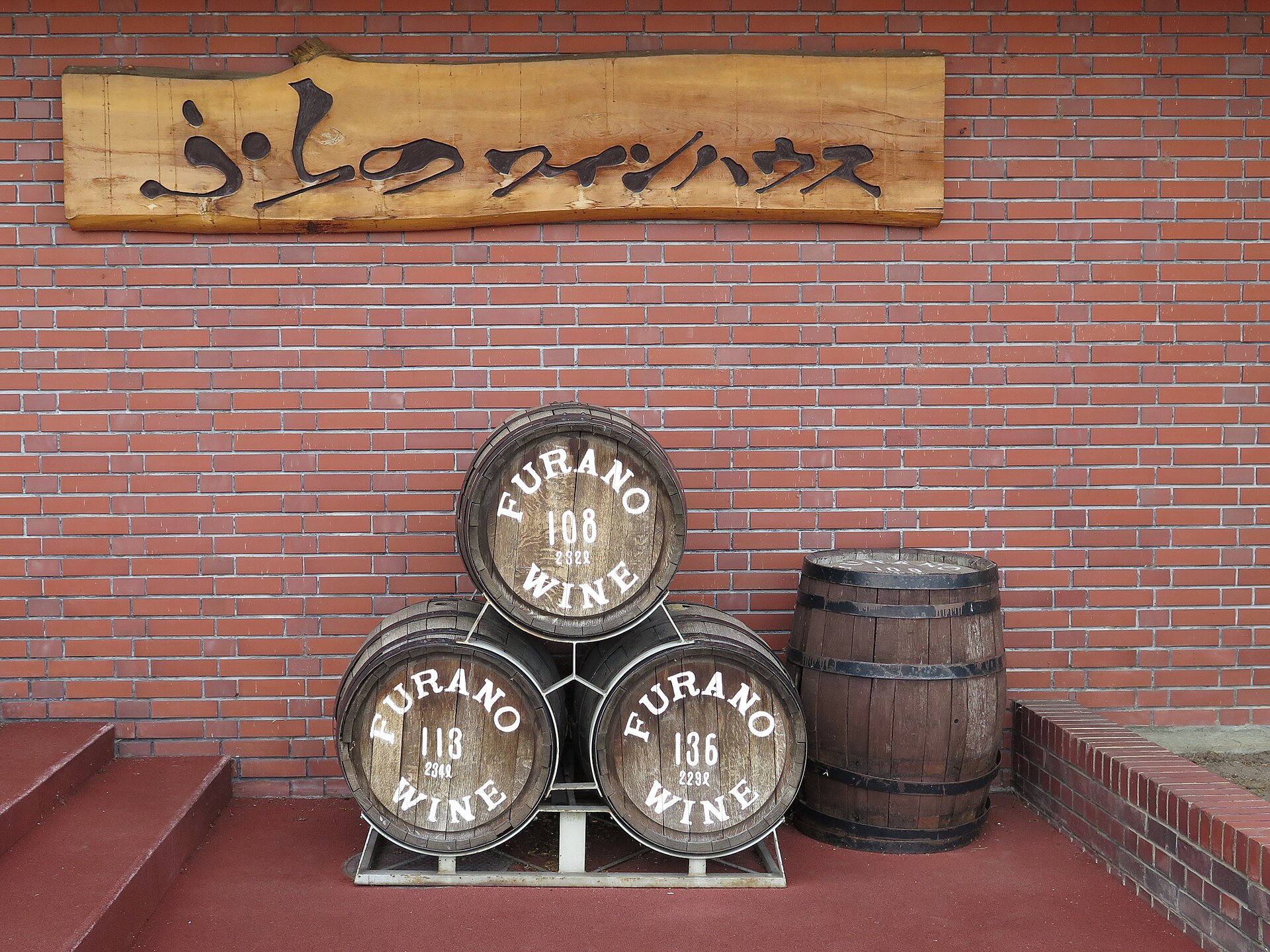
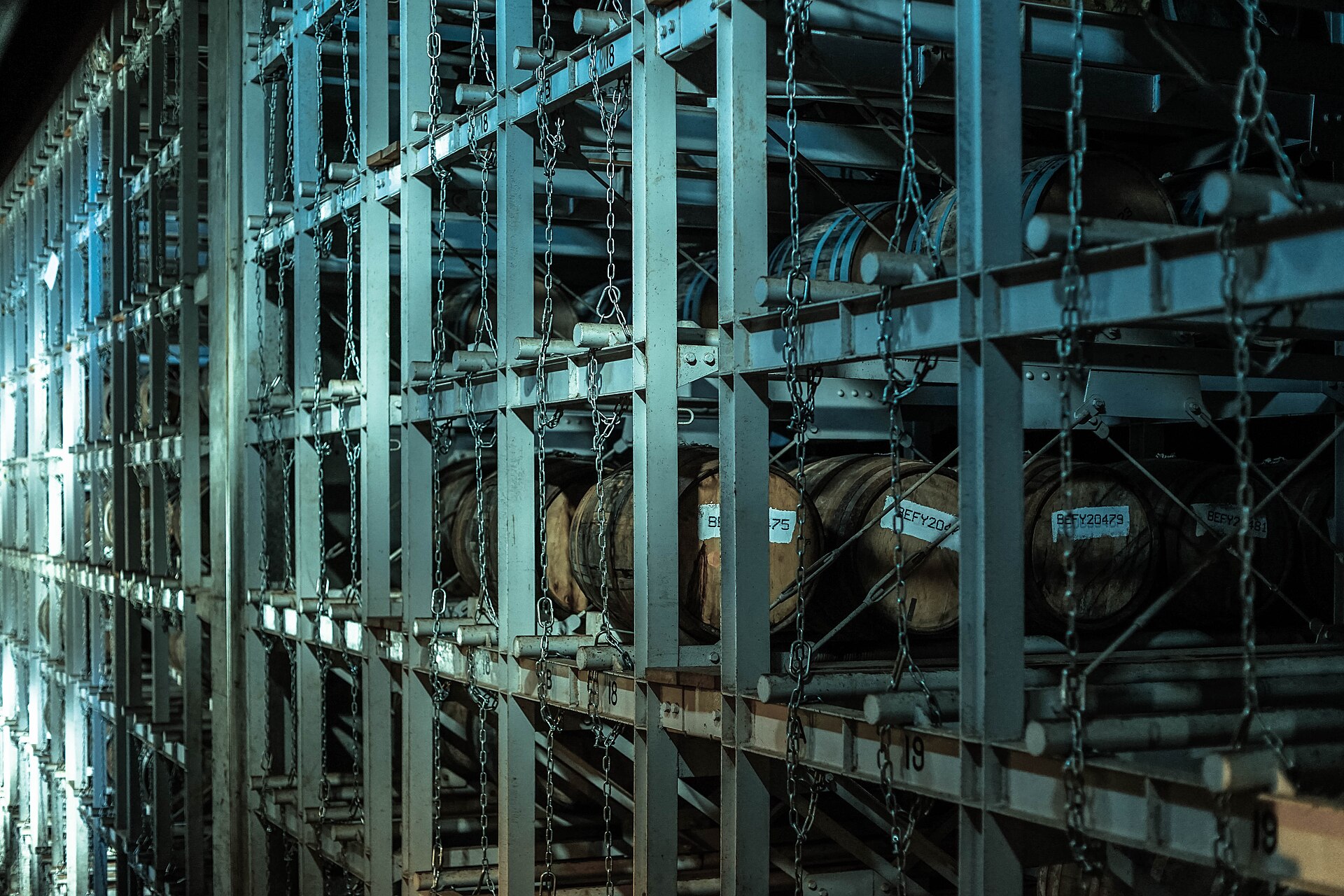
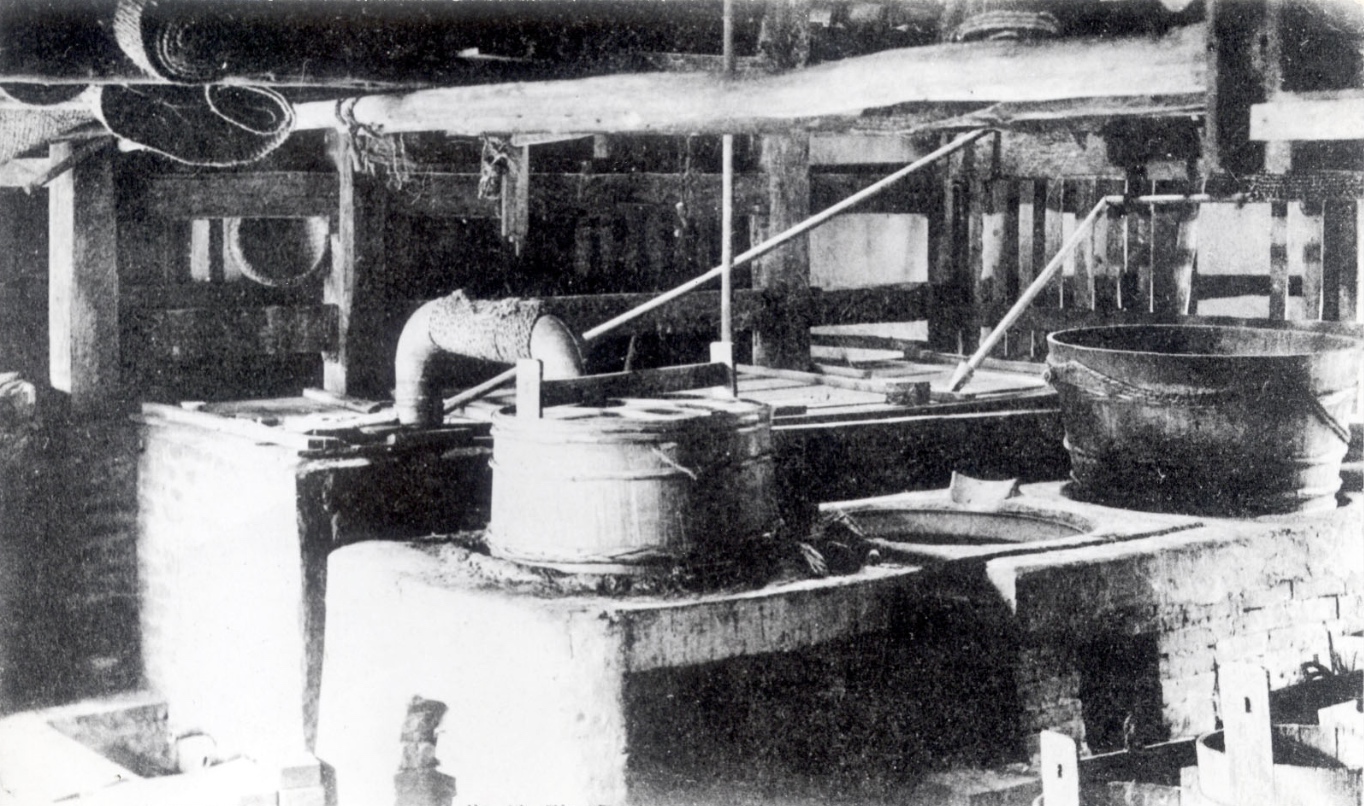
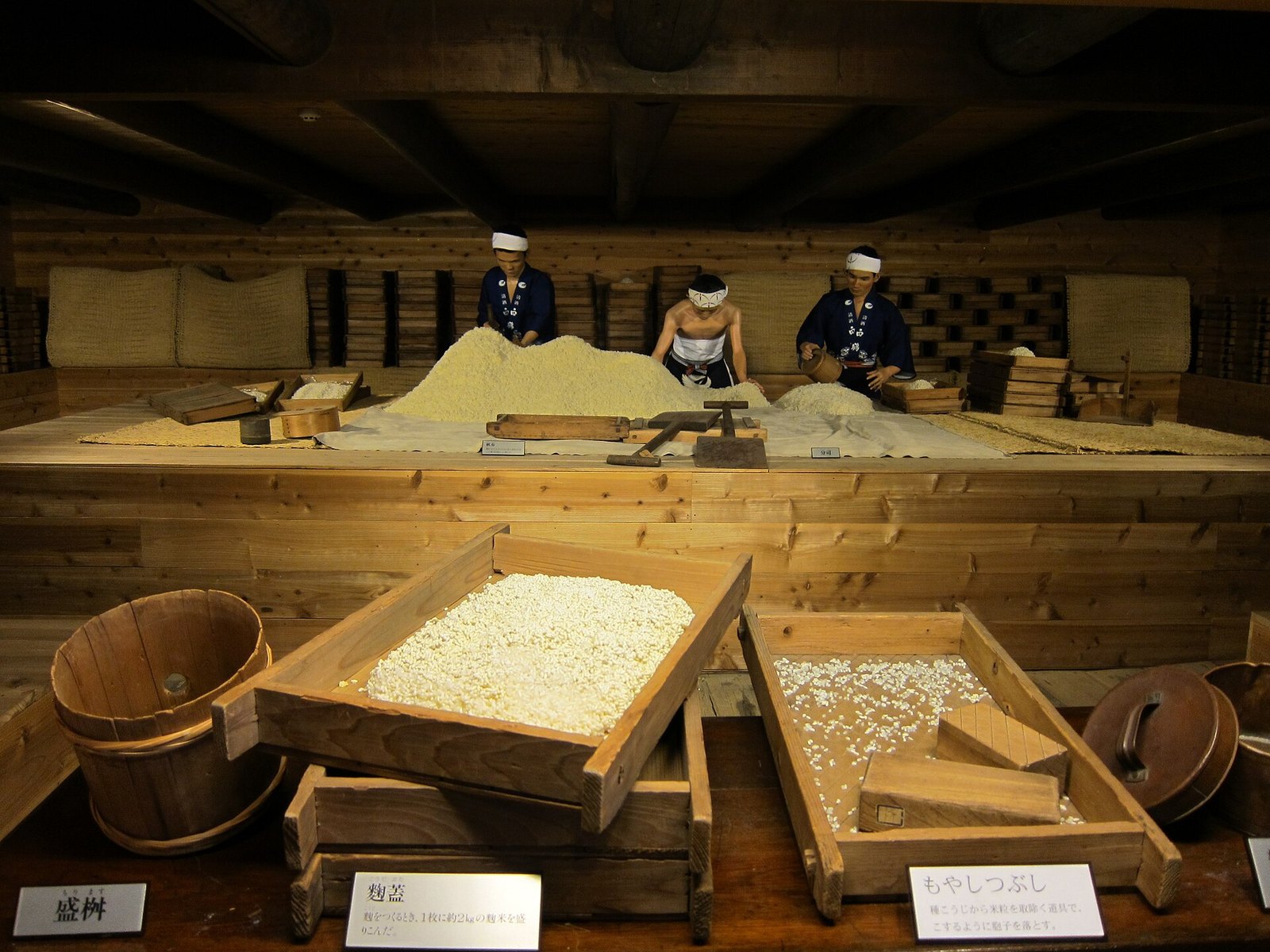
Each image links to a detail page.
27EXPLORE THE ARCHIVE
No rankings. These counts are simply the records verified against sources so far.
28RESPONSIBLE DRINKING
Please follow the legal drinking age where you live. Enjoy responsibly.